If you are renovating in Forest Hills, it is easy to get pulled toward finishes you love right now and lose sight of what future buyers will value later. That is especially true in a neighborhood where buyers often weigh charm, convenience, outdoor space, and everyday function all at once. When you plan with resale in mind from the start, you can make smarter choices about where to spend, where to simplify, and which upgrades are most likely to support value. Let’s dive in.
Why resale planning matters in Forest Hills
Forest Hills has a distinct housing mix, with single-family houses, co-ops, condos, and larger apartment buildings all part of the neighborhood landscape. It also has established retail corridors along Austin Street, Continental Avenue, 108th Street, and Metropolitan Avenue, which means buyers often think about both the feel of the home and how easy daily life will be nearby.
That matters because renovation value here is not just about making a space look newer. Buyers may also be comparing layout, storage, curb appeal, outdoor usability, and overall convenience against nearby alternatives. In a market like Forest Hills, practical improvements often carry more weight than highly personalized design decisions.
There is also a strong local case for keeping projects measured. New York cost-recovery data for 2025 show that a minor kitchen remodel recouped 103.1% of cost, while a major kitchen remodel recouped 46.9%. A midrange bath remodel recouped 76.5%, while an upscale bath remodel recouped 40.1%.
Focus on function before luxury
If your goal is future resale, the most effective renovations usually make your home feel brighter, cleaner, easier to maintain, and easier to live in. That is often more persuasive than chasing luxury upgrades that are expensive to build and specific in style.
National buyer trends support that approach. Buyers are often willing to accept smaller homes, smaller rooms, or less garage space if the home feels better planned and more functional. They are also willing to pay more for a better-equipped, more modern kitchen, which gives modest kitchen upgrades a strong resale case in Forest Hills.
In practical terms, that usually means prioritizing:
- Better flow
- Smarter storage
- Durable finishes
- Updated lighting
- Clean, neutral bathrooms
- Strong curb appeal where the exterior is visible
Kitchen updates usually give the clearest signal
For many Forest Hills properties, the kitchen is the first place to start after maintenance issues are addressed. It is one of the most visible rooms in a sale, and both national remodeling data and New York cost-recovery data point to kitchen upgrades as one of the strongest resale plays.
The key is restraint. A resale-minded kitchen renovation is usually about refreshed cabinetry, durable counters, good task lighting, and a layout that feels open and easy to use. In many cases, a polished update does more for value than a full, highly customized gut renovation.
What buyers tend to respond to in kitchens
In a Forest Hills resale context, the strongest kitchen improvements are usually the ones that improve daily function without making the space feel overdesigned.
Consider priorities like:
- Cabinet refreshes or replacements with simple, durable finishes
- Counter surfaces that wear well and photograph cleanly
- Better lighting over prep areas
- Improved circulation and less visual clutter
- Appliance choices that fit the scale of the home
If you own a co-op or apartment, this matters even more. A compact kitchen that feels efficient and well planned can be more valuable than one filled with premium features that make the room feel tight or overbuilt.
Bathrooms should feel clean and current
Bathrooms are another high-impact area, especially if your current bath feels dated or tired. For resale, one well-executed bathroom update is often easier to justify than adding a brand-new bathroom from scratch.
The strongest approach is usually simple and durable. Good ventilation, straightforward tile, updated fixtures, and a clean overall look tend to appeal to the widest range of buyers. In most cases, a midrange bathroom renovation is a more defensible investment than an upscale spa-style buildout.
Keep bathroom choices simple
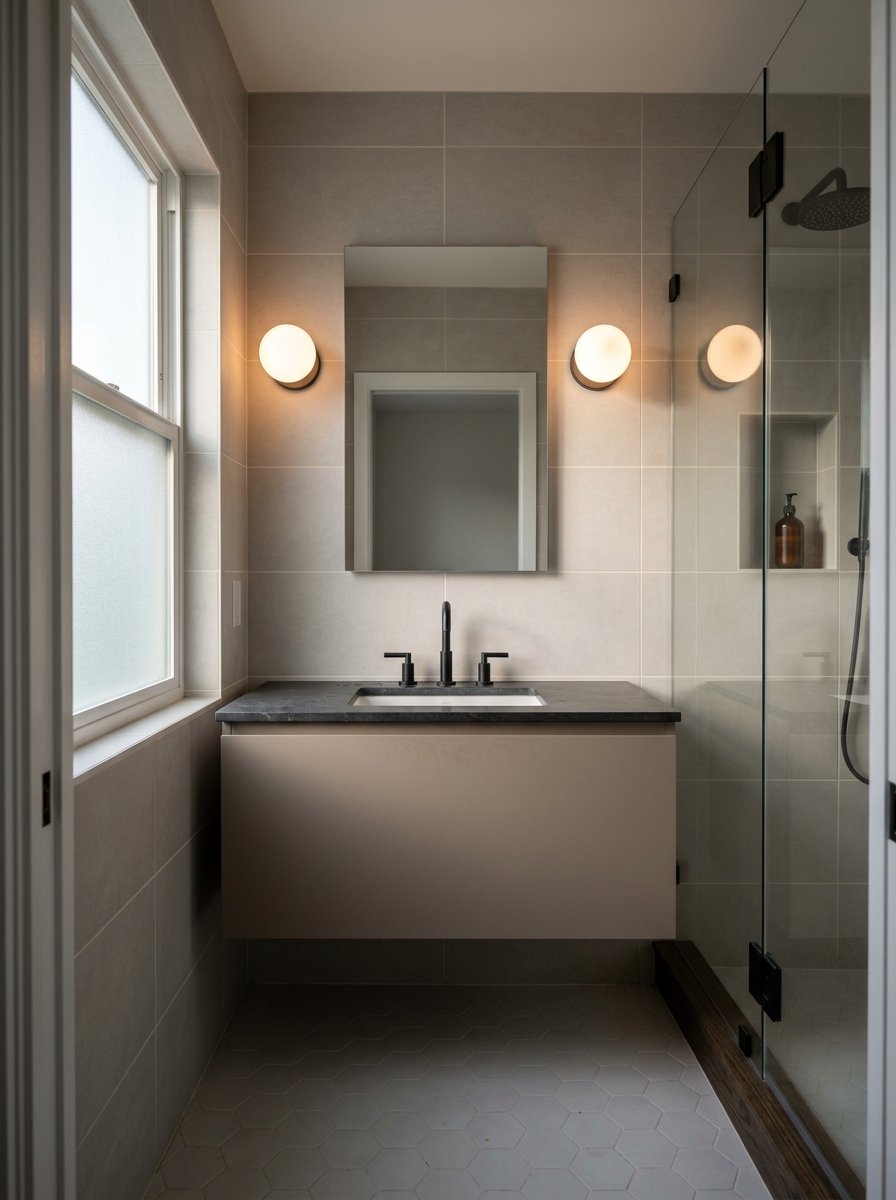
In Forest Hills, the best resale-minded bathroom choices are often the least complicated visually. Neutral finishes can help buyers focus on the condition and usability of the space instead of your personal taste.
Aim for:
- Simple tile selections
- Contemporary but not trendy fixtures
- Easy-to-clean surfaces
- Lighting that makes the room feel bright
- Ventilation that supports long-term condition
Layout and storage can outperform square footage
One of the most useful takeaways for Forest Hills owners is that bigger is not always better. Buyers are often willing to make trade-offs on size when a home feels more functional and easier to live in.
That makes layout and storage upgrades especially important in co-ops, condos, and smaller houses. Removing dead space, improving circulation, and building better storage can deliver a strong payoff without the cost and approval burden that often come with expansion.
High-value layout improvements
The right layout work depends on the property type, but resale-minded upgrades often include changes like:
- Creating better use of underutilized corners or walls
- Improving closet or pantry storage
- Reducing awkward transitions between rooms
- Making main living areas feel lighter and less crowded
Be careful, though. A project that looks cosmetic can quickly become more complicated if you move walls, plumbing, or wiring. In New York City, those changes often trigger Department of Buildings approval and permits.
Curb appeal matters more here than many owners expect
Forest Hills buyers often respond to the neighborhood’s leafy, more residential character. The area is known for Tudor-style houses, front lawns, green space, and a built environment that can make exterior presentation more noticeable than in denser parts of the city.
That gives curb appeal real resale importance, especially for single-family homes. National remodeling research found that 97% of REALTORS believe curb appeal is important to attracting a buyer, and 92% have suggested sellers improve curb appeal before listing.
Where to invest outside
For houses in Forest Hills, exterior and outdoor improvements can help a property compete well if they are visible, usable, and in proportion to the home.
Priorities may include:
- Front entry improvements
- Exterior paint or finish repairs where appropriate
- Door upgrades
- Tidier landscaping and walkways
- Better use of outdoor seating or yard space
- Deck improvements, where suitable
- Garage or driveway usability improvements
New York cost-recovery data also show a composite deck addition recouped 86.9% of cost, which makes outdoor usability worth considering for the right property.
Co-op renovations need a different strategy
In Forest Hills, many sellers own co-ops or apartments, and that changes the renovation conversation. A project may make perfect sense from a resale standpoint but still need to fit a building’s alteration agreement, insurance requirements, work-hour limits, and house rules.
That is why co-op owners often benefit from a more focused plan. Kitchen, bath, flooring, lighting, and storage improvements are usually easier to defend than ambitious layout changes that create approval challenges or construction risk.
Best co-op renovation priorities
If you are renovating a co-op with future resale in mind, focus first on changes that improve livability without increasing board friction.
That often means:
- Updating the kitchen within the existing footprint
- Refreshing one main bathroom
- Replacing worn flooring
- Improving lighting throughout the apartment
- Adding or refining storage
- Limiting structural or plumbing-heavy changes unless clearly justified
Know the approval rules before you design
One of the most common renovation mistakes in New York City is assuming a project is minor because it looks minor on paper. In reality, work that involves plumbing changes, electrical work, or larger alterations may require permits and approvals even when the finished product seems straightforward.
According to the NYC Department of Buildings, some work such as painting, plastering, installing new cabinets, plumbing fixture replacement, and resurfacing floors may not require a permit. But electrical work, plumbing alterations, and larger residential alterations often do.
If your property is landmarked or in a historic district, exterior work may also need Landmarks Preservation Commission approval in advance. That is especially important before changing windows, doors, porches, façade materials, or other visible exterior elements.
A smart phasing plan for resale-minded owners
If resale is a future possibility, it helps to phase work in the right order instead of trying to do everything at once. That approach can reduce wasted spending and help you improve the areas buyers notice most.
A practical three-step plan is often the best fit.
Step 1: Fix maintenance and compliance items
Start with leaks, failing systems, damaged finishes, and anything that could create an approval or permit issue later. These items may not feel exciting, but they support both livability and buyer confidence.
Step 2: Upgrade the most visible rooms
Next, focus on the kitchen and the primary or main bathroom. These rooms tend to shape a buyer’s first impression of condition, upkeep, and overall value.
Step 3: Save larger projects for long holds
Consider major layout changes, additions, or luxury upgrades only if you plan to stay long enough to enjoy them. Based on New York cost-recovery data, large upscale kitchen and bath projects often return much less than modest, well-planned updates.
Best renovation order by property type
Your property type should shape your renovation roadmap.
For single-family homes in Forest Hills
A sensible order is often:
- Front entry and curb appeal
- Kitchen update
- Bathroom update
- Outdoor space improvements
- Garage-related usability upgrades
This sequence aligns with the neighborhood’s more residential character and the visibility of exterior features.
For co-ops in Forest Hills
A practical order is often:
- Kitchen
- Bathroom
- Flooring
- Lighting
- Storage
- Layout changes only if approval is realistic
This approach helps you improve how the apartment lives without taking on unnecessary board or permit complications.
The resale goal is clarity, not customization
The strongest resale-minded renovations in Forest Hills usually have one thing in common. They make the property feel easy to understand, easy to maintain, and easy to say yes to.
That means cleaner finishes, better flow, smarter storage, and practical updates that fit the home and the neighborhood. If you are weighing what to renovate, how far to go, or how to phase the work, a clear local strategy can help you avoid overbuilding and focus on improvements that support marketability.
If you want guidance on how to position a Forest Hills renovation for future value, the Falchiere Group can help you think through pricing, presentation, renovation scope, and next-step execution.
FAQs
What renovations add the most resale value in Forest Hills?
- In Forest Hills, the strongest resale-minded upgrades are usually modest kitchen remodels, midrange bathroom updates, better layout and storage, and curb appeal improvements for houses.
Should Forest Hills homeowners do a major kitchen renovation before selling?
- Usually, a minor or moderate kitchen update is easier to justify for resale, since 2025 New York cost-recovery data showed much stronger returns for minor kitchen remodels than major ones.
Do co-op renovations in Forest Hills need board approval?
- Many co-op renovations do require review through a building’s managing agent and alteration agreement, so it is important to confirm board rules, insurance requirements, and construction limitations before planning the work.
Do permits matter for Forest Hills renovation projects?
- Yes. In New York City, some cosmetic work may not need a permit, but electrical work, plumbing alterations, and larger residential changes often require Department of Buildings approval.
Are outdoor improvements worth it for Forest Hills houses?
- Often, yes. Forest Hills has a more residential, leafy character than denser parts of the city, so front entry appeal, outdoor usability, and visible exterior improvements can support buyer interest.
What is the best renovation order for a Forest Hills co-op?
- A practical order is usually kitchen first, then bathroom, flooring, lighting, storage, and only then layout changes if the building and approval process make them realistic.