Space gets tight faster than most Brooklyn Heights buyers expect. Maybe your work-from-home setup became permanent, your household changed, or you simply want room to live more comfortably without leaving the neighborhood. If you are weighing a condo against a co-op in Brooklyn Heights, the right answer usually comes down to ownership structure, approval process, and how much flexibility you want later. Let’s dive in.
Why Brooklyn Heights changes the equation
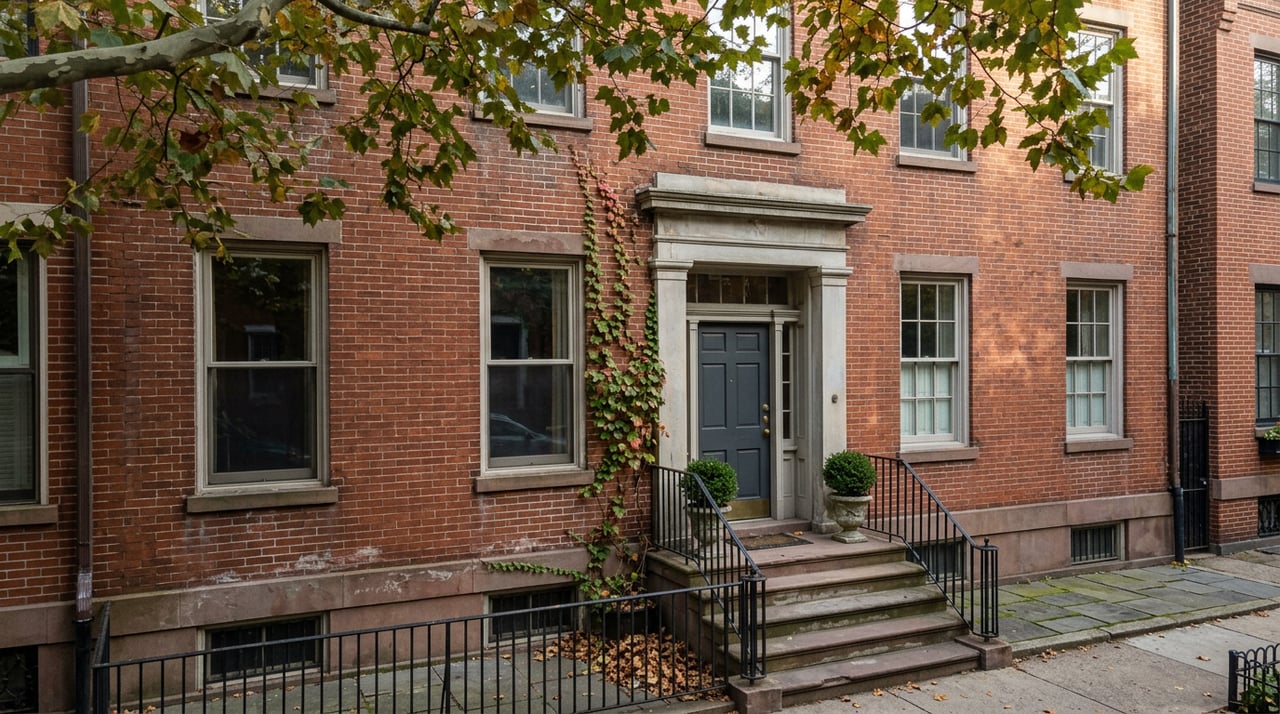
Brooklyn Heights is not just another expensive New York City neighborhood. It also has a strong historic-district identity, and the area is specifically identified as a historic district by the Landmarks Preservation Commission.
That matters when you need more space. In practical terms, landmark rules can limit major exterior changes and redevelopment, so your path to upsizing is often a larger existing apartment, a unit combination, or a move to a different building rather than a dramatic reworking of the housing stock.
For buyers, that makes the condo-versus-co-op decision more important. You are not only choosing a home. You are choosing a structure for how you will own it, finance it, renovate it, and possibly adapt it over time.
What you own in a co-op
When you buy a co-op, you are not purchasing the apartment itself in the same way you would with a condo. You are buying shares in the corporation that owns the building, and those shares are tied to a proprietary lease for your unit.
Your monthly payment is usually called maintenance. That often covers building operating costs, property taxes, and sometimes the building’s underlying mortgage.
Co-ops are governed by shareholders through the building’s bylaws, proprietary lease, and house rules. That structure can create a more involved approval process and more building-specific rules about how you use the apartment.
What you own in a condo
When you buy a condo, you own the unit itself plus an undivided interest in the building’s common areas. You pay your own real estate taxes and also pay common charges that cover shared building expenses and systems.
Condos are governed by a board of managers that follows the declaration, bylaws, and house rules. The experience can still involve paperwork and review, but the ownership structure is generally more direct than in a co-op.
For many upsizing buyers, that difference matters because direct ownership often aligns better with long-term flexibility. If you are thinking beyond today’s space needs, a condo can offer a cleaner path.
Why co-ops may cost less
If your main goal is to get more square footage in Brooklyn Heights without stretching as far on price, a co-op may deserve a close look. In New York City, co-ops often cost less than comparable condos.
That price gap can be meaningful in a neighborhood where values are high. StreetEasy also notes that Brooklyn Heights still has smaller co-ops at lower price points, even though the neighborhood overall is among the city’s more expensive markets.
For some buyers, that creates an opportunity to trade up within the neighborhood. You may be able to buy more space in a co-op than you could in a condo, but you should expect more scrutiny and less flexibility in return.
Why condos often offer more flexibility
If your next move needs to work for both today and five years from now, condos usually have the edge. They are generally more flexible when it comes to renting later, and they are more likely to allow uses such as pied-a-terre ownership.
Co-ops, by contrast, often have stricter subletting rules, and some do not allow subletting at all. That can matter if your plans may change and you want the option to hold the property rather than sell it.
StreetEasy also notes that condos are more likely to be in newer buildings and may offer amenity packages that older co-ops often cannot match. If your idea of “more space” includes added convenience, not just another bedroom, that can become part of the comparison.
Approval timelines can shape your decision
For many buyers, the biggest practical difference is not the monthly charges. It is the path to approval.
A co-op purchase usually involves a detailed board package with personal, professional, and financial documents. Typical items include signed tax returns, W-2s, reference letters, pay stubs or proof of employment, financial statements, and, if you are financing, a loan commitment and recognition agreements.
Many buildings expect that package soon after contract signing, and approval can take two to four months or longer. Because boards are typically made up of fellow shareholders, the process can feel highly building-specific and somewhat personal.
Condo purchases can also involve an application and financial review, so they are not paperwork-free. Still, the process is usually less restrictive, and condo boards generally do not reject buyers in the same way co-op boards can.
If speed, predictability, or privacy matter to you, that difference is hard to ignore. In Brooklyn Heights, where desirable inventory can be competitive, a slower approval process may affect both your timing and your negotiating strategy.
If you may combine units later
For buyers who need more room, one of the most important questions is whether you can combine two apartments. The answer is yes in some cases, but you should plan for both building-level and city-level approvals.
New York City Department of Buildings guidance shows that apartment combinations are handled through alteration filings. For condo combinations, a new tentative tax lot number is required before filing.
In Brooklyn Heights, you may also need Landmarks Preservation Commission review if the work affects a landmarked exterior or another protected feature. That means a unit combination can be a smart path to more space, but it is rarely as simple as knocking down a wall and getting started.
This is where careful due diligence matters. A buyer considering a combination should evaluate not just layout potential, but also building rules, alteration policies, and the likely approval path before making an offer.
What to review before you commit
Whether you choose a condo or co-op, the New York Attorney General recommends reviewing the entire offering plan, along with board minutes and financial reports, before signing a purchase agreement. Those documents can reveal defects, planned repairs, and building-wide costs.
That advice is especially important when you are buying a larger apartment. More space may improve your lifestyle, but it can also increase your share of future repair burdens and monthly carrying costs.
You should also pay attention to sponsor control. The Attorney General notes that sponsor control can continue in both condos and co-ops until certain ownership thresholds are reached, depending on the offering plan and property type.
In plain terms, do not judge a building by the floor plan alone. The building’s financial condition, governance, and rules can shape your ownership experience just as much as the apartment itself.
Which option makes more sense for you
If you want the most square footage for your budget and you are comfortable with tighter rules, a co-op may be the better fit. In Brooklyn Heights, that can be a practical way to stay in the neighborhood while gaining the space you need.
If you want more flexibility, an easier approval path, and a property that may adapt better to future rental or lifestyle changes, a condo usually stands out. You may pay more upfront, but the tradeoff can be worth it if optionality matters.
There is no one-size-fits-all answer in Brooklyn Heights. The best choice depends on how you plan to live, how soon you need to close, and whether your next purchase needs to solve only today’s space problem or support a longer-term strategy.
When you are comparing buildings, board rules, and renovation possibilities, the details matter. The right guidance can help you separate a workable opportunity from a frustrating one. If you are exploring more space in Brooklyn Heights, Falchiere Group can help you evaluate the property, the building, and the path from contract to closing with a practical New York lens.
FAQs
What is the difference between a condo and co-op in Brooklyn Heights?
- In a co-op, you buy shares in a corporation and receive a proprietary lease. In a condo, you own the unit itself plus an interest in the common areas.
Which property type usually closes faster in Brooklyn Heights?
- A condo usually closes faster because the co-op board package and approval process add more steps and often more waiting time.
Which is better for renting later in Brooklyn Heights?
- Condos are generally more flexible for future renting, while co-ops often have tighter subletting rules and may limit or prohibit subletting.
Can you combine apartments in Brooklyn Heights to create more space?
- Yes, but apartment combinations usually require building approval and Department of Buildings filings. In a landmarked setting, Landmarks Preservation Commission review may also be required if protected features are affected.
What documents should buyers review before buying a Brooklyn Heights condo or co-op?
- Buyers should review the offering plan, board minutes, and financial reports because those materials can reveal defects, repairs, and building-wide costs.
Are co-ops more affordable than condos in Brooklyn Heights?
- Often, yes. Co-ops in New York City frequently cost less than comparable condos, which can help buyers gain more space, but that usually comes with stricter rules and more financial review.