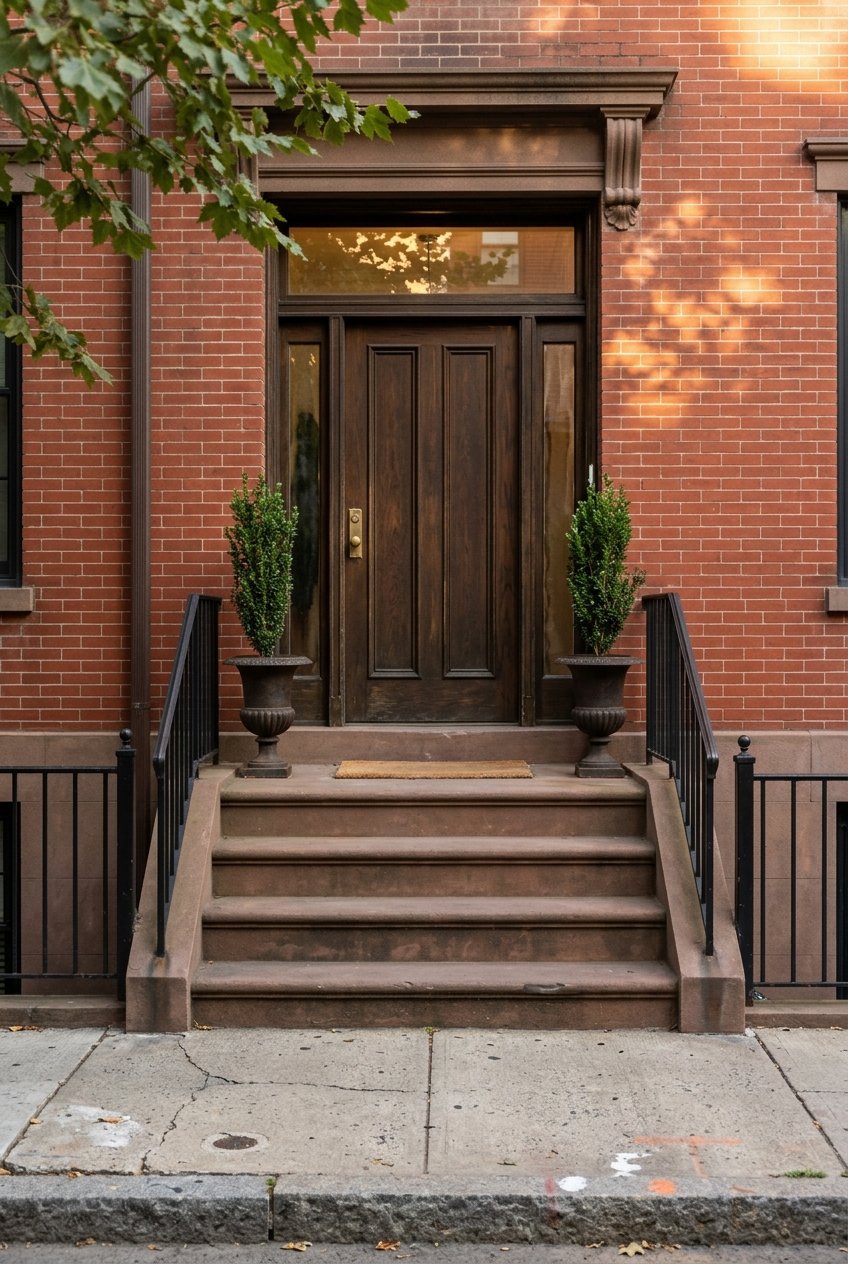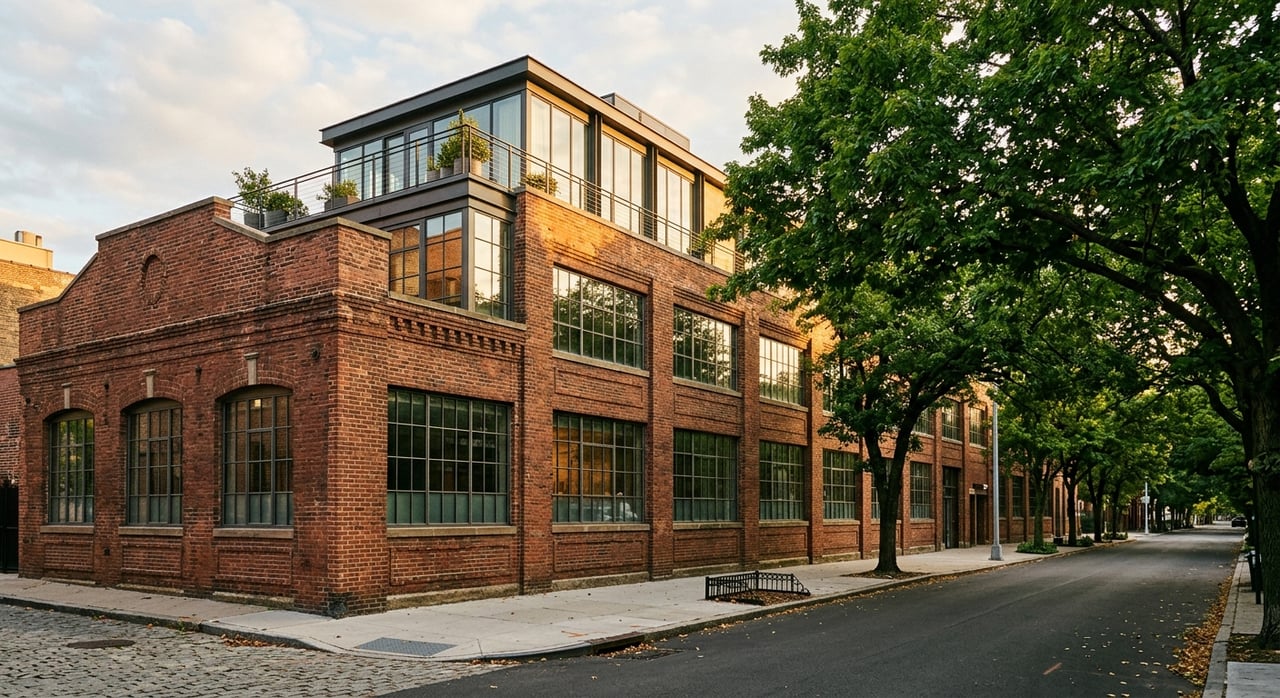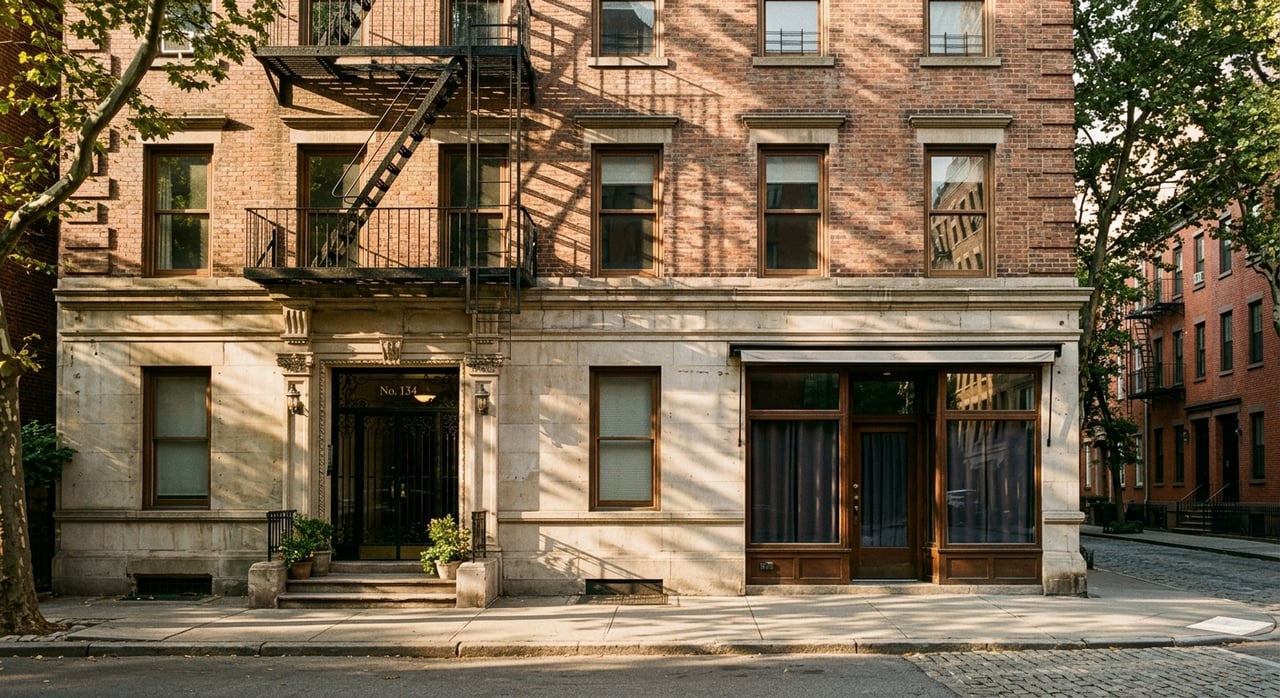
If you underwrite an Upper West Side multifamily deal like a simple growth story, you can get into trouble fast. This is a mature Manhattan submarket where existing rent rolls, operating costs, and legal constraints often matter more than rosy rent-growth assumptions. If you are evaluating a walk-up, elevator building, or mixed-use asset on the UWS, a disciplined model can help you separate a real opportunity from a spreadsheet that looks better than the property performs. Let’s dive in.
Why Upper West Side underwriting is different
The Upper West Side is not a blank-slate development market. NYU Furman reports 224,282 residents, 130,224 housing units, and 0 new residential units authorized by permit in 2024. StreetEasy also describes the neighborhood as being dominated by large prewar apartment buildings, which helps explain why most underwriting here starts with what already exists rather than what might be built next.
That matters because your model needs to reflect a stock-driven market. On the UWS, value often comes from understanding the current tenancy, legal rent structure, physical condition, and expense load. In other words, this is a market where detail beats broad averages.
Start with the legal rent roll
For revenue underwriting, the first question is not, “What are market rents in the neighborhood?” The first question is, “What can this specific building legally collect today?” In a neighborhood with a meaningful legacy rent-regulated footprint, that distinction is critical.
NYC says nearly 1 million apartments citywide are rent stabilized, and tenants can order a rent history from HCR if the lease terms are unclear. On the Upper West Side, where mixed stabilized and free-market buildings are common, you need to verify unit-by-unit legal status before you rely on any projected rent growth.
For rent-stabilized leases starting or renewing between October 1, 2025 and September 30, 2026, current guideline increases are 3% for one-year leases and 4.5% for two-year leases. Those limits should shape your revenue assumptions. If a seller’s pro forma assumes faster growth across regulated units, that deserves closer scrutiny.
Why neighborhood rent averages can mislead
Upper West Side rent data varies depending on the source. StreetEasy showed a median base rent of $4,500, while Corcoran’s July 2025 Manhattan rental report showed an Upper West Side average rent of $6,500, 650 leases signed, and visible vacancy of 1.31%. NYU Furman’s 2023 profile put median rent at $3,000 and rental vacancy at 7.9%.
These figures are not necessarily in conflict. They reflect different methodologies, time periods, and datasets. For underwriting, the takeaway is simple: neighborhood averages can provide context, but your model should rely on the actual rent roll, lease copies, and rent history for the building in front of you.
Model mixed regulated and market-rate income
On the Upper West Side, many multifamily assets cannot be underwritten as purely market-rate. NYU Furman’s rent-stabilized housing brief notes that legacy properties with 0% to 35% stabilized units are heavily concentrated on the Upper West Side and Upper East Side. That means a blended model is often the right model.
You may be looking at a building with free-market units, rent-stabilized units, preferential rents, and recent vacancies all under one roof. Each category behaves differently. A clean, realistic underwriting memo should break out those buckets rather than applying one rent-growth assumption across the entire property.
Turnover assumptions need more caution now
Even market-rate assumptions should be conservative. NYC’s Good Cause Eviction law applies to some unregulated homes, uses a local rent standard of inflation plus 5% with a 10% cap, and requires notices when a landlord raises rent by more than 5% or ends a tenancy.
That does not mean every unit is affected the same way, but it does mean turnover and mark-to-market assumptions deserve more care. If your upside case depends on rapid tenant rollover and sharp rent increases, you should test how the deal performs under slower transitions and more modest resets.
Account for leasing cost shifts
Lease-up costs also changed in 2025. NYC’s FARE Act took effect on June 11, 2025 and bars landlord-hired brokers from charging tenants broker fees. In practice, that can push more turnover and leasing expense onto ownership.
For a UWS investor, this is not a minor line item. If your model assumes tenants absorb leasing friction the way they may have in prior years, your NOI forecast may be too aggressive.
Expense underwriting can make or break the deal
If revenue gets the attention, expenses often decide whether the investment actually works. On the Upper West Side, especially in prewar and mixed regulated buildings, operating costs can erode NOI quickly.
The NYC Rent Guidelines Board’s 2025 Price Index of Operating Costs rose 6.3% year over year. Within that, insurance rose 18.7%, fuel 10.3%, utilities 8.2%, maintenance 4.3%, administrative costs 5.1%, labor 3.7%, and taxes 3.9%.
Those numbers are a warning against plugging in flat or lightly inflated expenses. Insurance, fuel, utilities, and maintenance are especially important to stress-test. If they are understated, the entire investment thesis can unravel even when occupancy looks strong.
Full buildings can still see NOI compression
NYU Furman’s legacy-property analysis makes that point even clearer. For legacy properties with 90% or more stabilized units, real gross income per unit fell about 9% from 2019 to 2025, while insurance costs rose 150%, utilities 31%, and maintenance 39% in real terms.
The lesson is straightforward. A building can be physically full and still underperform financially. That is why a serious underwriting model for the UWS should test higher expense inflation, not just optimistic rent growth.
Understand NYC property tax mechanics
Property taxes are too important to estimate loosely in New York City. For class 2 properties, the Department of Finance says market value is based on income-producing potential using statistical modeling or RPIE income and expense data, then a 45% assessment ratio is applied. The class 2 tax rate for tax year 2026 is 12.439%.
That framework affects both current taxes and how future taxes may move. For buildings with 11 or more units, assessment changes are phased in over five years at 20% of the change per year through transitional assessed value. For class 2 buildings with 10 or fewer units, assessed value growth is capped at 8% per year and 30% over five years.
Reconcile taxes with filings
You also need to confirm how the property reports income and expenses. NYC requires annual RPIE filing for income-producing properties with actual assessed value above $40,000. For RPIE-2025, the filing deadline is June 1, 2026, and properties with assessed value of $750,000 or more must include a rent-roll addendum.
That creates a useful diligence checkpoint. If the offering materials, rent roll, and tax filings do not line up, you should pause before relying on projected upside. And if the asset includes ground-floor or second-floor commercial space, the storefront registry requirement also becomes relevant for mixed-use underwriting on corridors like Broadway, Columbus Avenue, and Amsterdam Avenue.
Be realistic about renovation upside
Upper West Side investors often focus on value-add potential, but renovation upside needs conservative treatment. In regulated apartments, rent recovery from improvements is limited and documentation-heavy. You should not assume that renovation dollars automatically turn into equivalent rent increases.
HCR says owners of rent-stabilized apartments may raise rents through lease-guideline increases, Major Capital Improvement increases, and Individual Apartment Improvement increases. Since October 17, 2024, IAI rules use a two-tier system that can allow recoverable increases up to $30,000 for First Tier and $50,000 for Second Tier, but occupied-apartment work requires tenant informed consent and electronic filing.
MCI recovery is narrower than many buyers expect
MCI treatment is also constrained. HCR says qualifying work must improve the overall building condition, with examples including roofs, boilers, windows, plumbing, and electrical rewiring. The work must be approved by DHCR.
Even then, MCI increases are temporary, removed from rent 30 years after the effective date, capped at 2% per year, and prohibited for buildings with 35% or fewer rent-regulated units. That means your underwriting should not treat capital work as a simple dollar-for-dollar rent-recapture strategy.
Due diligence matters more than the pitch deck
A polished offering memorandum can tell a compelling story, but your underwriting should be grounded in documentation. On the Upper West Side, that means verifying leases, rent history, legal status, tax filings, and the physical condition of the building.
NYU Furman reported 62.0 serious housing code violations per 1,000 privately owned rental units in the Upper West Side in 2023. That does not define any one building, but it does support a careful review of violations and deferred maintenance before you price in upside.
A practical UWS underwriting checklist
Before you get comfortable with a deal, make sure you can answer these questions:
- How many units are rent stabilized, market-rate, vacant, or subject to preferential rents?
- Do the stated rents reconcile with lease copies, rent history, and tax filings?
- Which repairs are ordinary maintenance, and which may qualify for IAI or MCI treatment?
- How sensitive is NOI to increases in insurance, utilities, fuel, maintenance, and taxes?
- Do Good Cause Eviction rules or the FARE Act affect your turnover and leasing assumptions?
- Are there violations, filing gaps, or commercial compliance issues that could create hidden costs?
What disciplined underwriting looks like on the UWS
A strong Upper West Side underwriting model is rarely the most aggressive one. It is the one that treats rent status as a legal question, operating costs as a real risk, taxes as a technical line item, and renovation upside as something to prove rather than assume.
That approach may feel conservative at first, but it often gives you a clearer negotiating position. When you understand where the income is durable, where expenses can rise, and where compliance gaps may exist, you can price the asset more intelligently and move with more confidence.
If you are evaluating a multifamily or mixed-use opportunity on the Upper West Side, working with a team that understands both transaction execution and renovation reality can make a meaningful difference. The Falchiere Group helps clients navigate complex New York City acquisitions with practical underwriting insight, sharp negotiation, and hands-on project perspective.
FAQs
What makes Upper West Side multifamily underwriting different from other markets?
- The Upper West Side is a mature, low-new-supply submarket with many prewar buildings and a meaningful mix of rent-regulated and market-rate units, so underwriting depends heavily on legal rent rolls, operating costs, and compliance details.
How should you underwrite rent-stabilized apartments on the Upper West Side?
- You should verify each unit’s legal status, review rent history and lease documents, and apply current guideline increases rather than assuming open-market rent growth across the entire building.
Why are neighborhood average rents less useful for Upper West Side investment analysis?
- Neighborhood rent figures vary by source and methodology, so they are best used as background context while the actual building rent roll, lease terms, and turnover profile drive the real underwriting.
What expenses deserve the most attention in Upper West Side multifamily deals?
- Insurance, fuel, utilities, maintenance, and property taxes deserve close review because recent NYC data shows these categories have risen enough to materially compress NOI.
How do New York City tax rules affect Upper West Side multifamily underwriting?
- Class 2 tax treatment, assessed value rules, phase-in mechanics, and required RPIE filings can all affect both current carrying costs and future tax projections, so they should be reconciled carefully during diligence.
Can renovation costs be fully recovered through rent increases on Upper West Side regulated units?
- Not necessarily, because IAI and MCI rent increases are limited by specific rules, approvals, caps, and documentation requirements, so renovation upside should be modeled conservatively.