Thinking about buying your first NYC home and torn between Forest Hills and the Upper East Side? You’re not alone. Both neighborhoods offer strong value, but the path to ownership, monthly costs, commute, and lifestyle feel very different. In this guide, you’ll see clear price windows, co-op vs condo tradeoffs, real monthly cost examples, and how to decide which area fits your goals. Let’s dive in.
Forest Hills vs Upper East Side: Quick feel
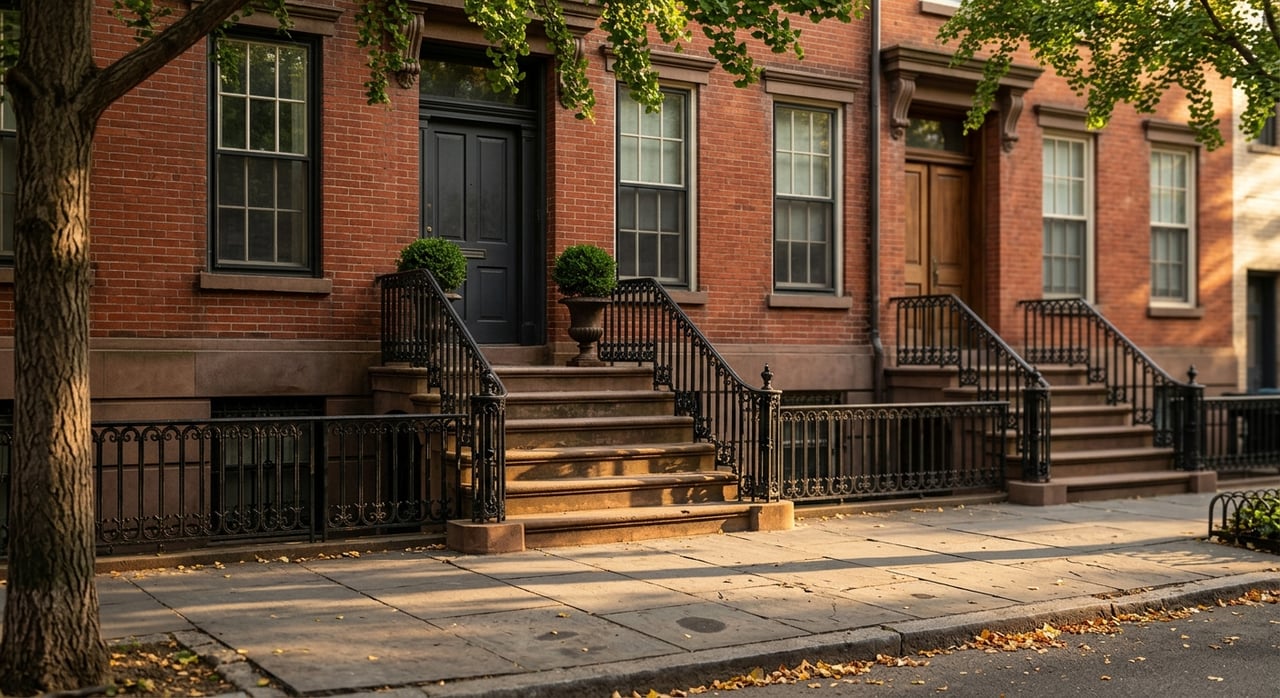
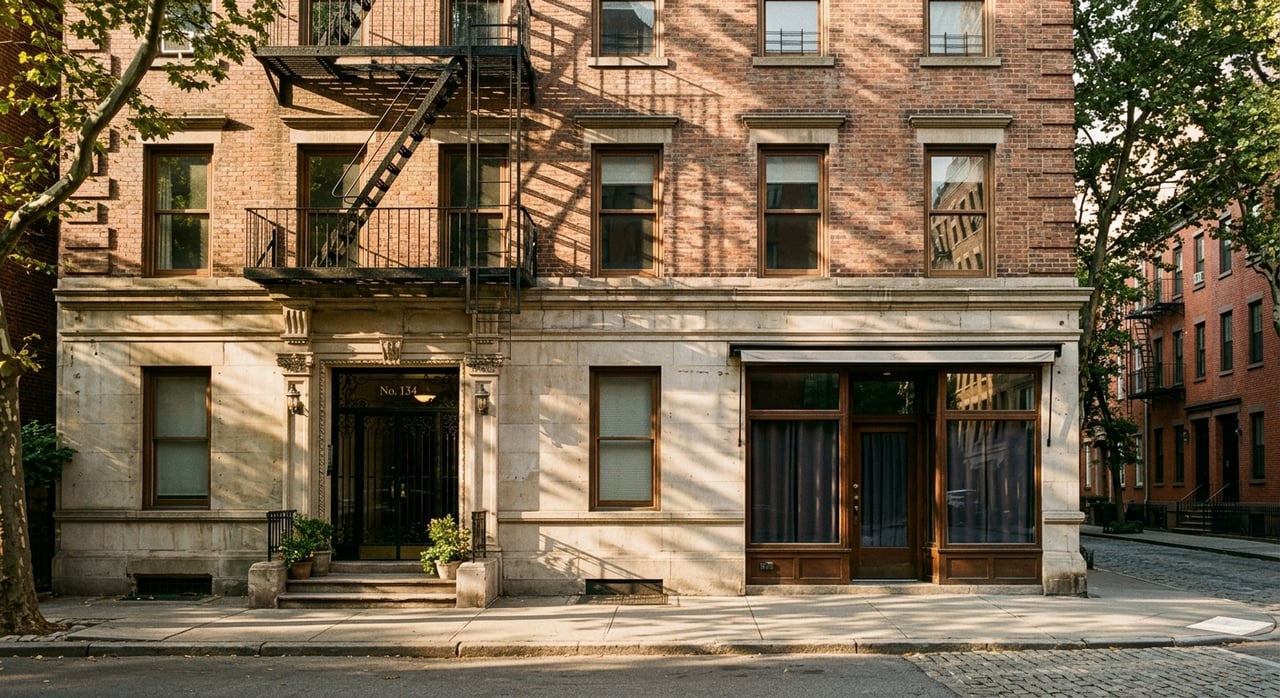
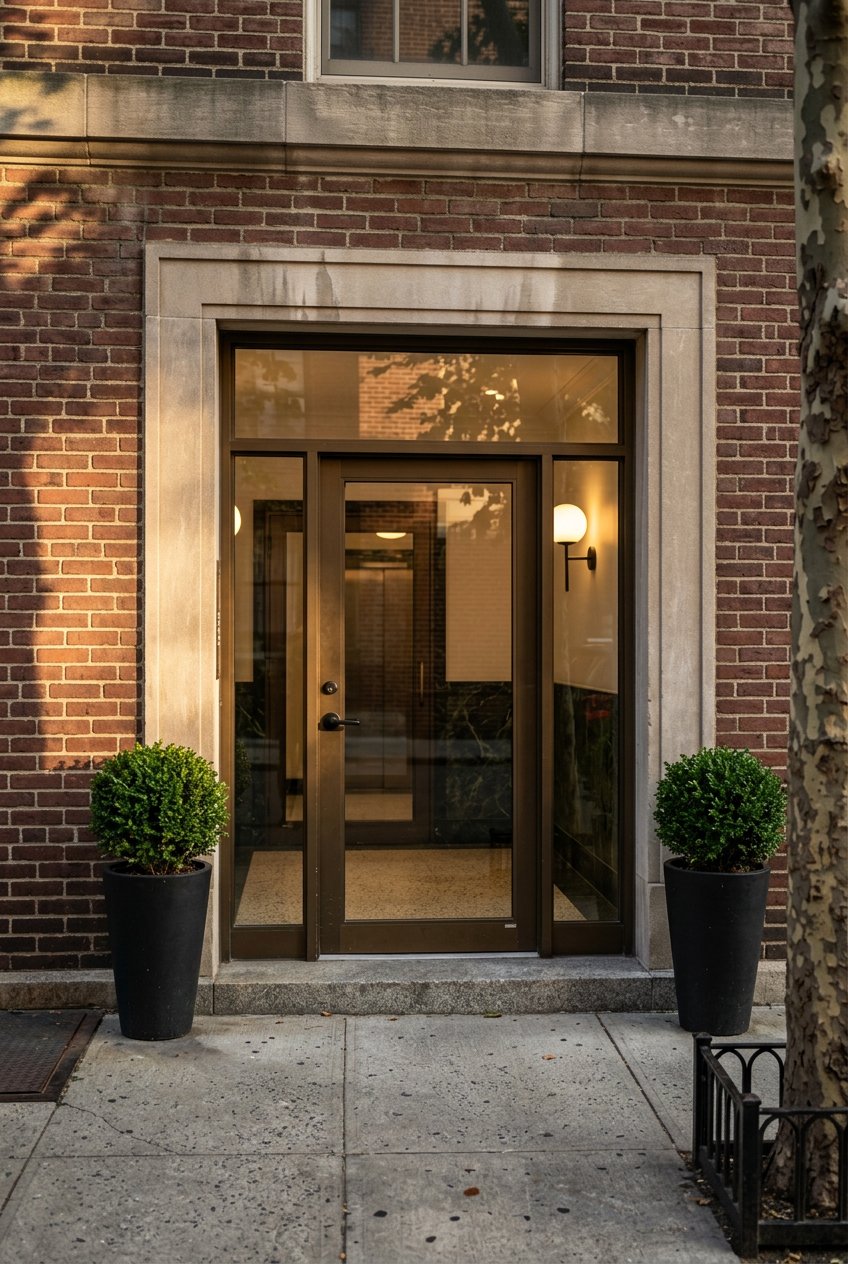
Forest Hills gives you a quieter, mostly residential Queens setting with prewar co-ops, tree-lined blocks, and more space per dollar. Austin Street anchors daily life with shops and dining. Recent coverage highlights Forest Hills’ limited new condo supply and pockets of higher-end housing that sit above classic co-op pricing, which helps explain why entry points often look friendlier than Manhattan while select condos command a premium. For neighborhood texture, see the Wall Street Journal’s overview of the Forest Hills market. Read more on Forest Hills’ housing mix and trends.
The Upper East Side delivers classic Manhattan living near Central Park, Museum Mile, major hospitals, and Midtown job centers. It is denser and more urban. A January 2026 neighborhood snapshot reported a median sale price around $1.5 million, which includes many larger homes and new condos. Entry-level one-bedrooms can price meaningfully below that median, but they still tend to sit well above most Queens co-ops on a price-per-square-foot basis.
Numbers below reflect late 2025 to early 2026 listing snapshots.
What you get for your budget
Forest Hills entry points
- Many prewar co-op one-bedrooms list in the $250,000 to $450,000 range in and around Austin Street and Station Square.
- Condos in Forest Hills are less common and often carry a premium. Recent luxury offerings and new-build projects price far above co-ops. Coverage of the market notes the limited condo pipeline. See the WSJ context on Forest Hills’ condo supply.
- As a zip-level reference point only, the 11375 median home price hovered near $425,000 in late 2025. That median mixes co-ops, condos, and houses and is not a direct one-bedroom comparable.
Upper East Side entry points
- One-bedroom co-ops commonly appear in the roughly $450,000 to $900,000 range depending on block, building services, and condition.
- One-bedroom condos often range from about $700,000 to $1.5 million or more, with higher price-per-square-foot norms in full-service buildings.
Price-per-square-foot snapshot
- Example from Forest Hills: a co-op around 750 square feet sold near $293,000, which is about $391 per square foot.
- Example from the UES: a condo listing around 626 square feet priced near $1,262 per square foot.
These examples illustrate the order-of-magnitude difference in price per square foot. You typically buy more interior space in Forest Hills for the same budget while the UES trades space for proximity, services, and centrality.
Co-op vs condo: what first-time buyers must know
Before you compare any two units, confirm the building type. It drives everything from your approval process to closing costs and future flexibility.
Ownership structure
- Co-op: You buy shares in a corporation and receive a proprietary lease, not a deed. Learn how co-op approval works.
- Condo: You receive a deed to the apartment plus an interest in common elements.
Board approval and underwriting
- Co-ops require a full board package and interview. Boards often set expectations for down payment, debt-to-income ratio, and post-closing liquidity and can decline applicants. See the practical co-op board guide.
- Condos typically have lighter screening. Approval is more administrative, which reduces timeline risk for many first-time buyers.
Down payment norms
- Co-ops frequently require at least 20 percent down. Many desirable Manhattan co-ops ask 25 to 50 percent or more, plus post-closing reserves.
- Condos often allow 10 to 20 percent down for well-qualified buyers under standard loan programs.
- Always confirm the building’s specific rules. Review a simple co-op vs condo overview.
Timeline and closing friction
- Co-ops usually take longer due to the package and interview step.
- Condos tend to close faster once financing and documents clear.
Subletting and flexibility
- Co-ops often limit subletting and have owner-occupant norms.
- Condos are generally more flexible and investor-friendly. See investor and sublet rule notes.
Closing costs
- Co-op buyers often avoid the mortgage recording tax and title insurance on share purchases, which can reduce buyer-side closing costs.
- Condo buyers usually pay the mortgage recording tax and title insurance. Some buildings impose a flip tax on sellers. Confirm building disclosures and discuss tax items with your attorney and lender. Here’s a high-level comparison.
Monthly carrying costs: how to compare apples to apples
Focus on the building costs that show up on every listing. For co-ops, use the monthly maintenance as stated on the listing. For condos, add the monthly common charges to the monthly property tax (convert the annual tax shown on the listing to monthly by dividing by 12). Your mortgage principal and interest are separate and depend on your down payment, rate, and term, so get quotes from a lender for a full picture.
Real-world illustrations
- Example A — Forest Hills co-op one-bedroom: list price around $308,000, maintenance about $994 per month. Monthly building cost equals the $994 maintenance line. In most co-ops, maintenance includes common charges and the building’s property tax allocation.
- Example B — Upper East Side condo one-bedroom: list price around $1.225 million, common charges about $1,526 per month, and monthly property tax around $1,171 per month. Combined monthly building costs are roughly $2,697 per month.
These examples reflect listing snapshots from late 2025 through early 2026. Actual numbers vary by building, assessments, and abatements. Use this method to compare any two listings side by side.
Commute and daily life
Forest Hills transit
Forest Hills–71st Avenue is the hub for the E, F, M, and R lines, and the neighborhood also has a limited-service LIRR stop. That gives you multiple Midtown routes with express options on the Queens Boulevard corridor. For station details, see the Forest Hills–71st Avenue overview and the MTA’s neighborhood guide to Forest Hills. Explore the MTA’s Forest Hills guide.
Typical in-train travel from Forest Hills to central Midtown can take on the order of tens of minutes. Exact door-to-door time depends on your origin, walking time, transfers, and time of day. Use the MTA trip planner or Google Maps with an 8:30 AM weekday departure for a reproducible estimate.
Upper East Side transit
Living on the UES puts you closer to Midtown and Upper Manhattan job centers. The neighborhood benefits from multiple subway lines along Lexington Avenue and Second Avenue, which can shorten door-to-door times for many offices and hospitals. Expect less variance in commute time for central Manhattan destinations versus many Queens origins.
Lifestyle contrast
- Forest Hills: Lower price per square foot, larger interiors on average for the price, a quieter residential feel, and active local retail on Austin Street.
- Upper East Side: Proximity to Central Park, museums, and medical centers, many full-service buildings, and shorter commutes to Midtown, at a higher price per square foot.
Resale and liquidity
- Condos typically attract a wider buyer pool, including investors and second-home buyers, which can support liquidity across cycles. See board and buyer pool dynamics.
- Co-ops often lean toward owner-occupants. Board standards and sublet policies can narrow the buyer pool and extend time to sell in some markets. Review co-op approval factors.
- In Forest Hills, the relative scarcity of new condo product has pushed some projects far above classic co-op pricing, which affects comps and resale positioning. Read the WSJ’s take on limited condo supply.
Which neighborhood is right for you?
Choose Forest Hills if you want:
- A lower entry price for a one-bedroom and the potential for more square footage.
- A quieter residential setting with strong subway access that still reaches Midtown.
- Co-op options where you can trade a stricter approval process for lower total purchase price.
Choose the Upper East Side if you want:
- Shorter, simpler commutes to many Midtown and Upper Manhattan addresses.
- Access to Central Park, museums, and medical and cultural institutions.
- Full-service buildings and condo options that offer more flexibility, with higher monthly and closing costs.
How we help first-time buyers
As a boutique NYC team, we combine market-savvy negotiation with hands-on execution. If you are weighing Forest Hills against the Upper East Side, we can help you:
- Pinpoint the right co-op or condo buildings based on down payment, approval standards, and timeline.
- Break down total monthly costs and likely closing costs for each candidate unit so you can compare like for like.
- Prepare a complete co-op board package and coach you for the interview.
- Source sponsor units or renovation opportunities and manage the upgrades to unlock value after closing.
Ready to explore both neighborhoods in a focused way? Schedule a consultation with the Falchiere Group.
FAQs
What are typical first-time buyer prices in Forest Hills?
- Many one-bedroom co-op listings appear between $250,000 and $450,000, based on late 2025 to early 2026 examples. Condos are scarcer and often price higher than co-ops.
How do monthly costs differ between a co-op and a condo?
- For co-ops, use the listing’s monthly maintenance. For condos, add common charges to the monthly property tax. Mortgage principal and interest are separate, so get lender quotes.
Is it harder to get approved for a co-op than a condo?
- Usually yes. Co-ops require a full board package and interview with stricter liquidity and debt-to-income expectations, while condos typically have lighter, administrative approvals.
How much should I plan for a down payment in NYC?
- Co-ops commonly require at least 20 percent down, and many ask 25 to 50 percent or more plus post-closing reserves. Condos often allow 10 to 20 percent for well-qualified buyers.
Which area offers a shorter commute to Midtown: Forest Hills or the UES?
- The Upper East Side typically offers shorter door-to-door times to Midtown. Forest Hills has E/F express service and an LIRR stop, but total time depends on your exact origin and destination.