If you are shopping in Chelsea, one question can shape your entire search: do you want a polished new development condo or a loft conversion with history and character? In a neighborhood where modern glass buildings sit alongside former industrial properties, that choice is especially relevant. The good news is that both options can work well, as long as you understand the tradeoffs in cost, flexibility, layout, and long-term fit. Let’s dive in.
Chelsea offers both styles
Chelsea gives you access to two very different housing experiences in one market. According to Realtor.com’s Chelsea market overview, the area currently has hundreds of homes for sale, with a median list price of $2,257,500 and 106 days on market.
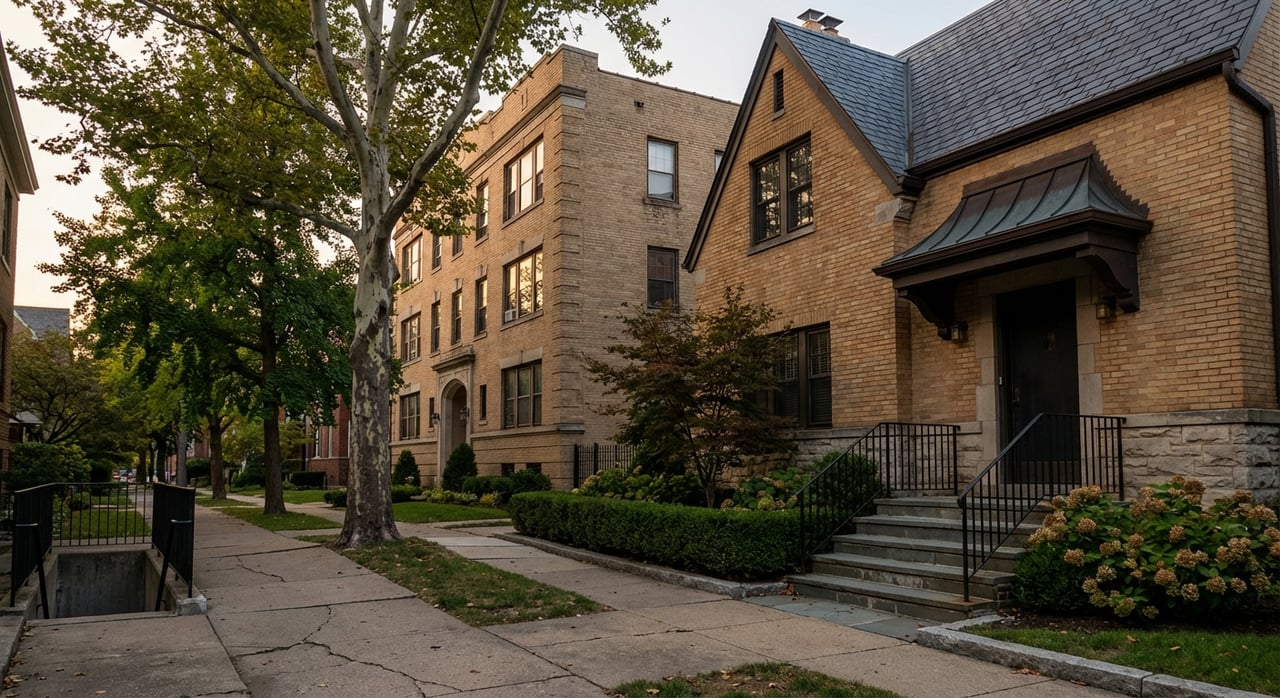
That variety reflects the neighborhood’s built environment. New York planning materials describe parts of Chelsea as home to loft buildings with mixed loft, wholesale, office, and housing uses, while areas farther west evolved from industrial and manufacturing blocks into arts and residential conversion zones.
For you as a buyer, that means the decision is not just about price. It is about how you want to live, what kind of building experience you want, and how much complexity you are willing to take on.
What new development usually offers
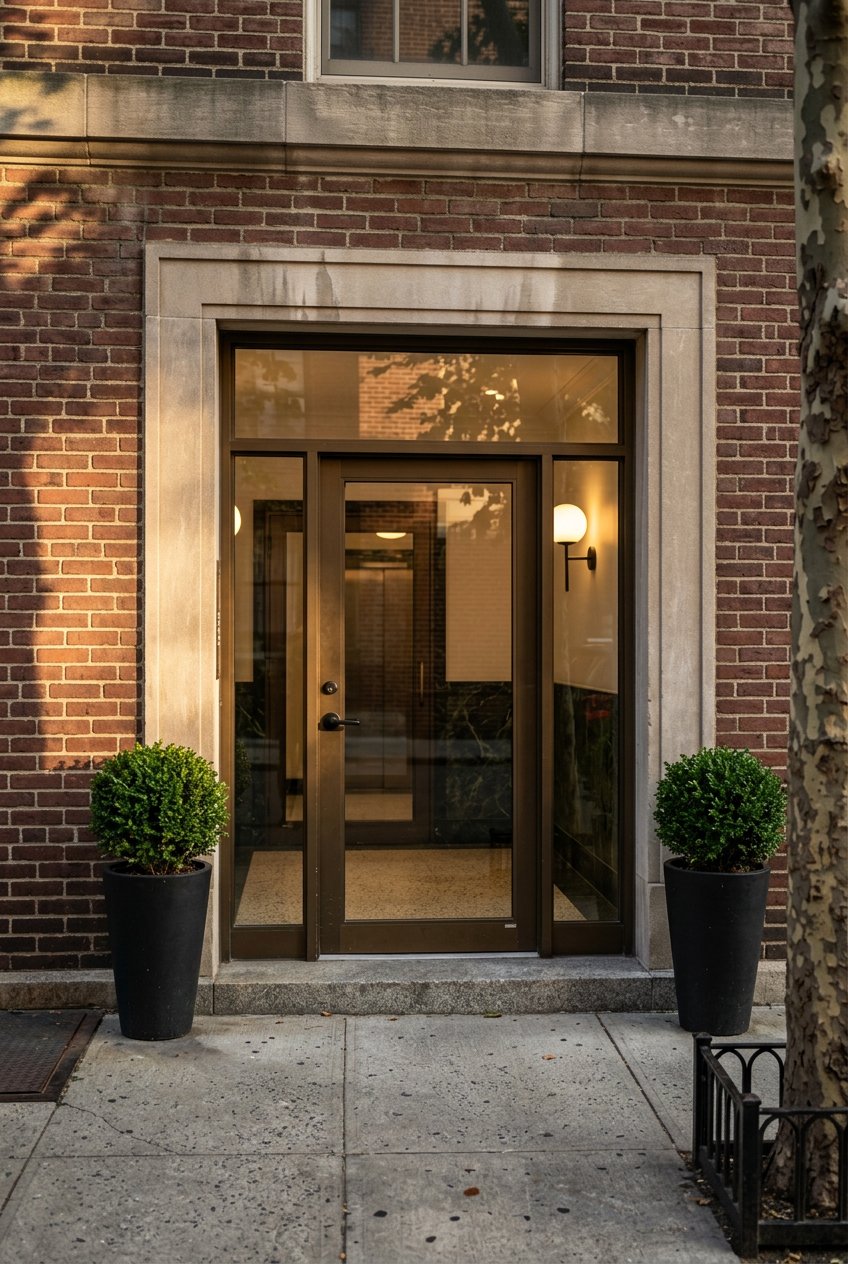
New development condos are often the easiest path if you want a turnkey home. In Chelsea, newer condo inventory continues to appear, especially near the High Line, giving buyers more opportunities to compare layouts, finishes, and amenity packages.
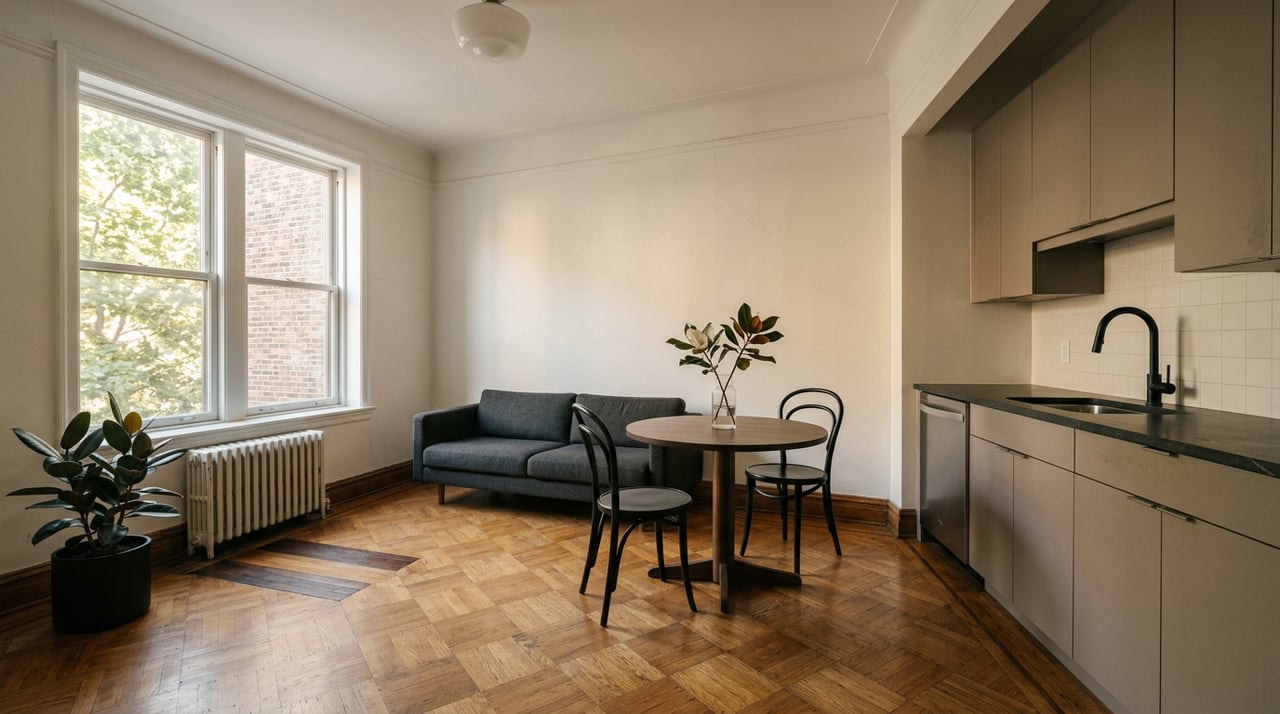
These homes typically include the features many buyers expect in a modern Manhattan residence. As noted by Brick Underground’s guide to luxury condos, common features can include floor-to-ceiling windows, central air, in-unit laundry, updated finishes, and building amenities such as gyms, pools, roof decks, playrooms, and full-time staff.
Why buyers choose new condos
Many buyers are drawn to new development because the experience is more predictable. Systems are newer, finishes are current, and the layout usually supports contemporary living without immediate renovation.
If convenience matters most to you, this can be a major advantage. You may be able to move in with fewer early repairs, fewer updates, and fewer unknowns than you might face in an older conversion.
The tradeoff is often higher monthlies
Those services and amenities are not free. Brick Underground explains that condo common charges typically fund staffing, repairs, amenities, property management, and insurance, so buildings with more services generally come with higher monthly carrying costs.
That does not automatically make a new development the wrong choice. It simply means you should be honest about what you will actually use. If you value a doorman, gym, roof deck, or concierge-style support, the added cost may feel worthwhile.
What loft conversions usually offer
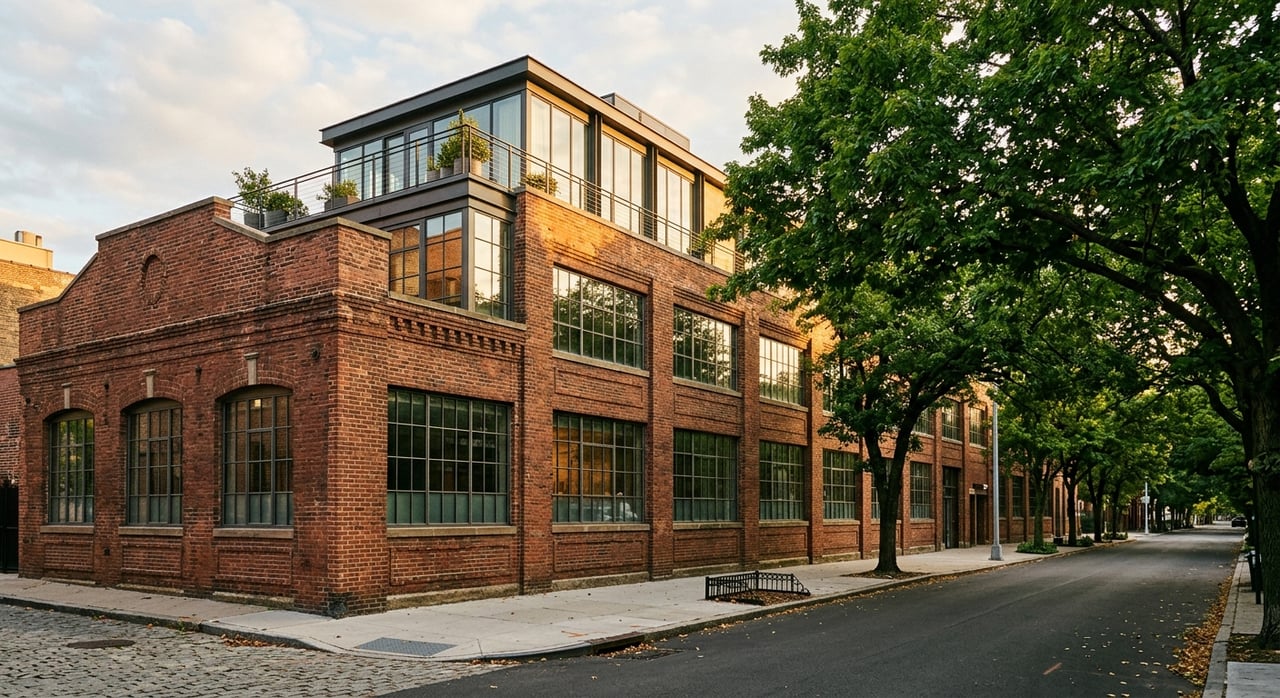
If new development is about convenience, loft conversions are usually about space and personality. Chelsea’s loft inventory is tied directly to the neighborhood’s industrial past, and many of these homes still reflect that original structure.
You will often find high ceilings, large windows, open-plan living areas, exposed brick, and steel or cast-iron details. Some lofts preserve a more industrial feel, while others have been fully updated with modern kitchens, baths, and integrated technology.
Why buyers love loft living
Lofts can offer something newer product sometimes cannot: a sense of volume and architectural identity. If you care about original materials, dramatic proportions, and a less standardized layout, a loft may be the better fit.
Some buyers also like the potential to shape the space over time. Depending on the unit and building, a loft can create room for customization in a way that a newly finished condo often does not.
The tradeoff is more variability
Loft conversions can require more homework. The finishes, systems, and layouts may vary widely from one property to the next, and not every building has the same level of services or operating structure.
There is also a legal side to pay attention to. The NYC Loft Board regulates the conversion of certain commercial and manufacturing loft buildings and requires qualifying properties to meet minimum Building Code standards for residential occupancy. If you are considering a loft, you should confirm legalization status, permits, and whether any required work remains outstanding.
Compare lifestyle before price
Price always matters, but in Chelsea, your day-to-day lifestyle may matter even more when choosing between these two property types. The right question is not only what you can buy, but what kind of ownership experience you want.
Here is a simple way to think about it:
| If you value... | New development may fit | Loft conversion may fit |
|---|---|---|
| Turnkey condition | Yes | Sometimes |
| Building amenities | Usually | Less often |
| Distinctive character | Less often | Usually |
| Open, dramatic volume | Sometimes | Often |
| Simpler future sublet or resale path | Often, especially condos | Varies by building type |
| Customization potential | Usually less | Often more |
This is where your priorities become the deciding factor. If you want ease, service, and modern systems, new development may justify the premium. If you want scale, texture, and the possibility to make a home more your own, a loft can be compelling.
Financing and future flexibility matter
Your decision should also account for what happens after closing. Not every buyer plans to stay forever, and not every property type offers the same level of flexibility.
Brick Underground notes that condos are generally easier to finance, sublet, and resell than co-ops. That point is especially important if the loft conversion you are considering is a co-op rather than a condo.
If you expect your needs to change, or if you want more straightforward future options, this can be a major factor. A beautiful loft may still be the right purchase, but you should understand the building structure before you commit.
Monthly carrying costs in Chelsea
Beyond the purchase price, monthly carrying costs can strongly affect the real cost of ownership. In New York City, condos and co-ops are Class 2 properties, and NYC’s property tax rate page lists the 2026 Class 2 tax rate at 12.439%.
Some co-op and condo developments may qualify for a property tax abatement, but the building must meet program requirements and the board or managing agent must apply. That means you should verify current tax treatment at the building level rather than assume every property receives the same benefit.
Monthly costs can also diverge based on services. In many cases, a loft building with fewer staff and amenities may have lighter ongoing charges than an amenity-rich new development, though the exact numbers depend on the specific property.
Closing costs can change the math
In Chelsea, closing costs can be large enough to influence your choice, especially at higher price points. Buyers often focus on asking price first, but your actual cash needed at closing may be meaningfully higher.
According to New York State’s homebuyer guidance, buyers may encounter fees that include filing costs, transfer-related taxes, and mortgage recording tax. New York City’s transfer tax guidance also makes clear that the buyer may owe the mansion tax on residential purchases of $1 million or more, plus a supplemental tax on residential conveyances of $2 million or more, with rates that increase based on price.
Because Chelsea pricing often exceeds those thresholds, these costs are not minor details. They should be part of your budget from the start.
New development may offer more concessions
One reason some buyers lean toward new construction is that sponsors may be more flexible at the negotiating table. Brick Underground reports that closing credits are more common in new condos, and sponsors may pay transfer taxes or offer credits that equal roughly 3% to 4% of the asking price.
That does not mean every new development is a better deal. It does mean the headline asking price may not tell the full story. In some cases, a negotiated sponsor concession can offset part of the premium attached to a turnkey condo.
Questions to ask before you decide
If you are trying to choose between a new development and a loft conversion in Chelsea, focus on a few practical questions:
- How much building service will you actually use? If a gym, staffed lobby, or roof deck matters to you, higher common charges may be worth it.
- Do you want move-in-ready or customizable? New development is often easier now, while lofts may offer more room to adapt over time.
- Is the loft fully legal and updated? Verify permits, legalization status, and any remaining Loft Board issues.
- How important is future flexibility? Condos are generally easier to finance, sublet, and resell than co-ops.
- What will your real closing cost be? In Chelsea, mansion tax and supplemental city tax can materially affect your total cash needed.
These questions help move the conversation away from aesthetics alone. The smartest purchase is usually the one that fits both your lifestyle and your numbers.
How to make the right choice
For many buyers, the final decision comes down to this: are you paying for services, or are you paying for space and character? Neither answer is inherently better. The better choice is the one that matches how you live, what you value, and how much uncertainty you want to manage.
A new development condo can make sense if you want a polished, low-friction ownership experience with current finishes and stronger day-one convenience. A loft conversion can make sense if you want architectural texture, more visual drama, and potential upside through thoughtful updates.
In a market as layered as Chelsea, it helps to evaluate both options with a clear eye on negotiation, building structure, carrying costs, and future plans. If you want guidance weighing new development against loft inventory, the Falchiere Group can help you compare opportunities, assess tradeoffs, and navigate the transaction with a practical New York perspective.
FAQs
What is the main difference between a Chelsea new development and a loft conversion?
- A new development usually offers a turnkey home with modern systems and amenities, while a loft conversion often offers more character, volume, and layout variation tied to Chelsea’s industrial building stock.
Are Chelsea loft conversions cheaper than new developments?
- Not always, but loft buildings often have lighter service packages than amenity-heavy new developments, which can sometimes lead to lower monthly costs depending on the property.
Do Chelsea new development condos have higher monthly charges?
- They often can, because common charges typically cover staff, amenities, property management, repairs, and insurance, and more services usually mean higher monthlies.
What should buyers verify before purchasing a Chelsea loft conversion?
- You should confirm legalization status, permits, and whether any outstanding work remains under NYC Loft Board rules for buildings subject to those requirements.
Are Chelsea condos easier to resell than loft co-ops?
- In general, condos are easier to finance, sublet, and resell than co-ops, which can matter if the loft conversion you are considering is not a condo.
What closing costs matter most for Chelsea buyers?
- Buyers should pay close attention to closing costs such as filing fees, mortgage recording tax where applicable, the New York mansion tax on purchases of $1 million or more, and the NYC supplemental tax on residential purchases of $2 million or more.