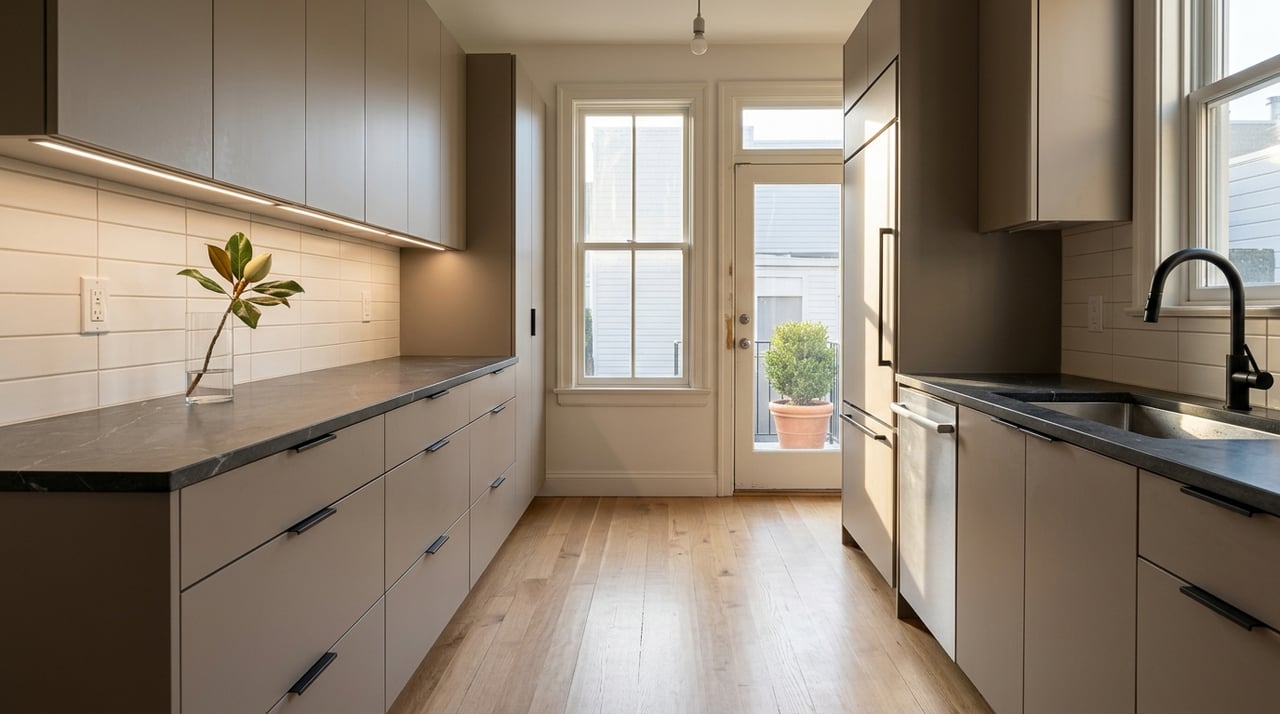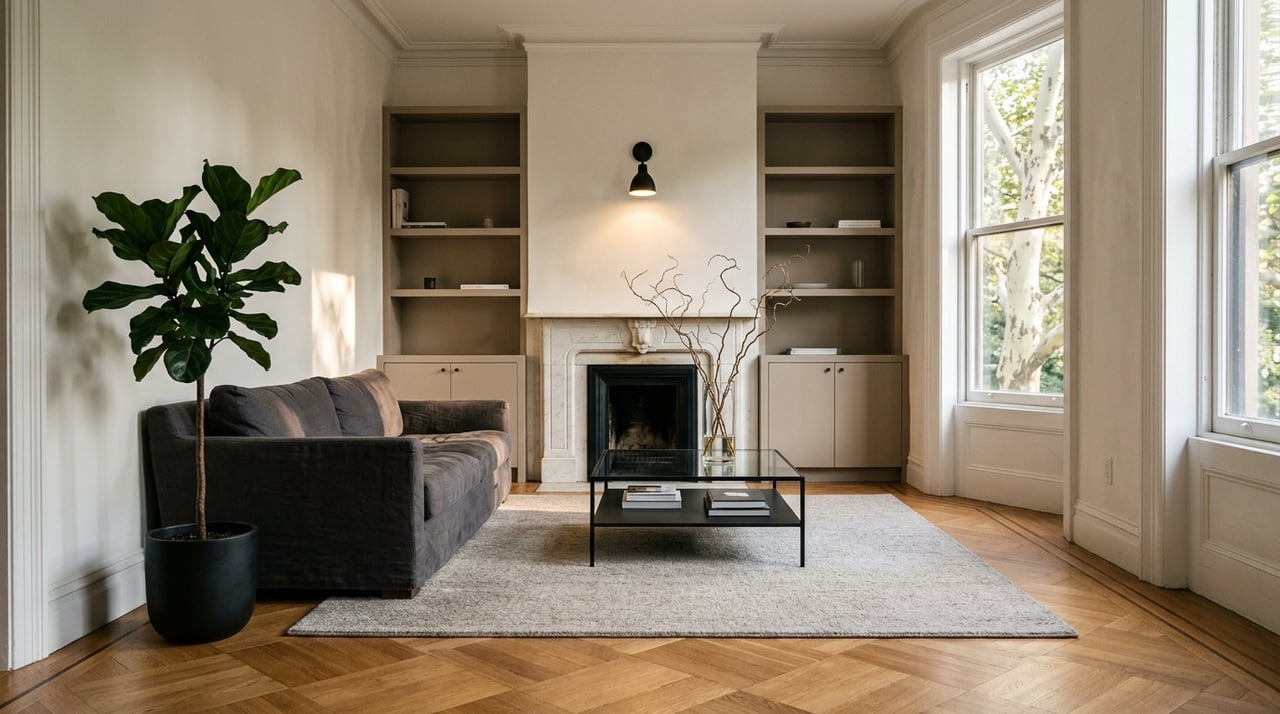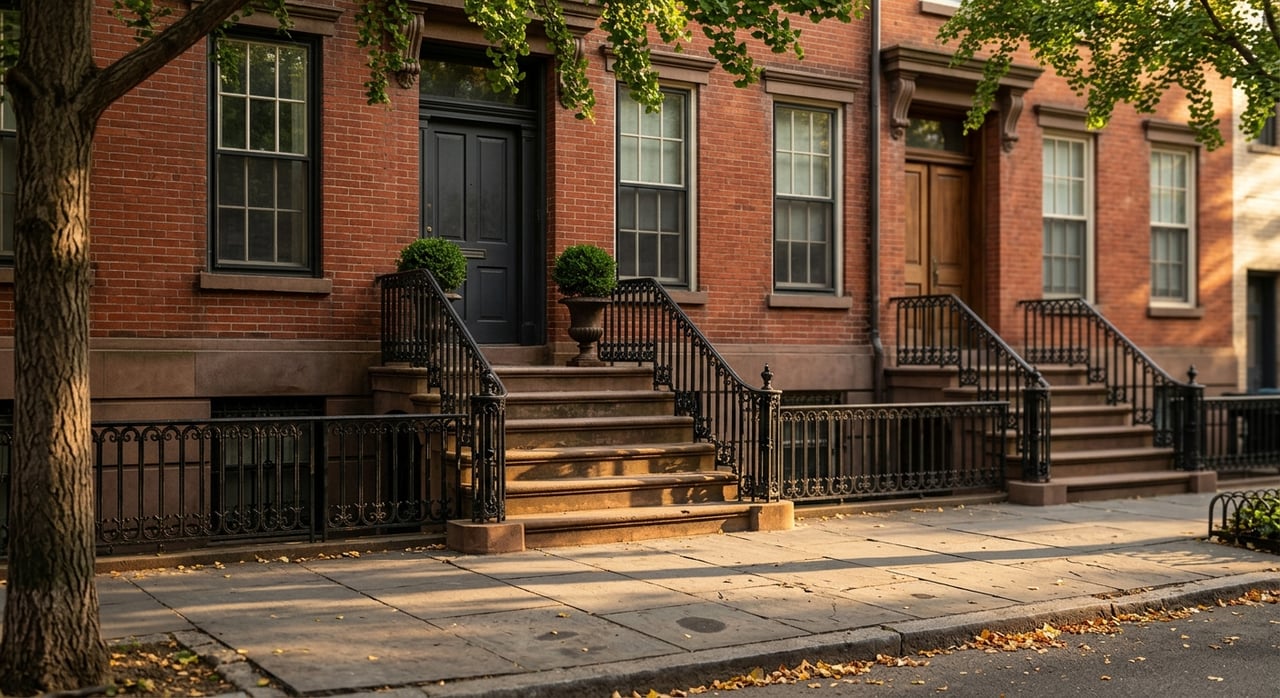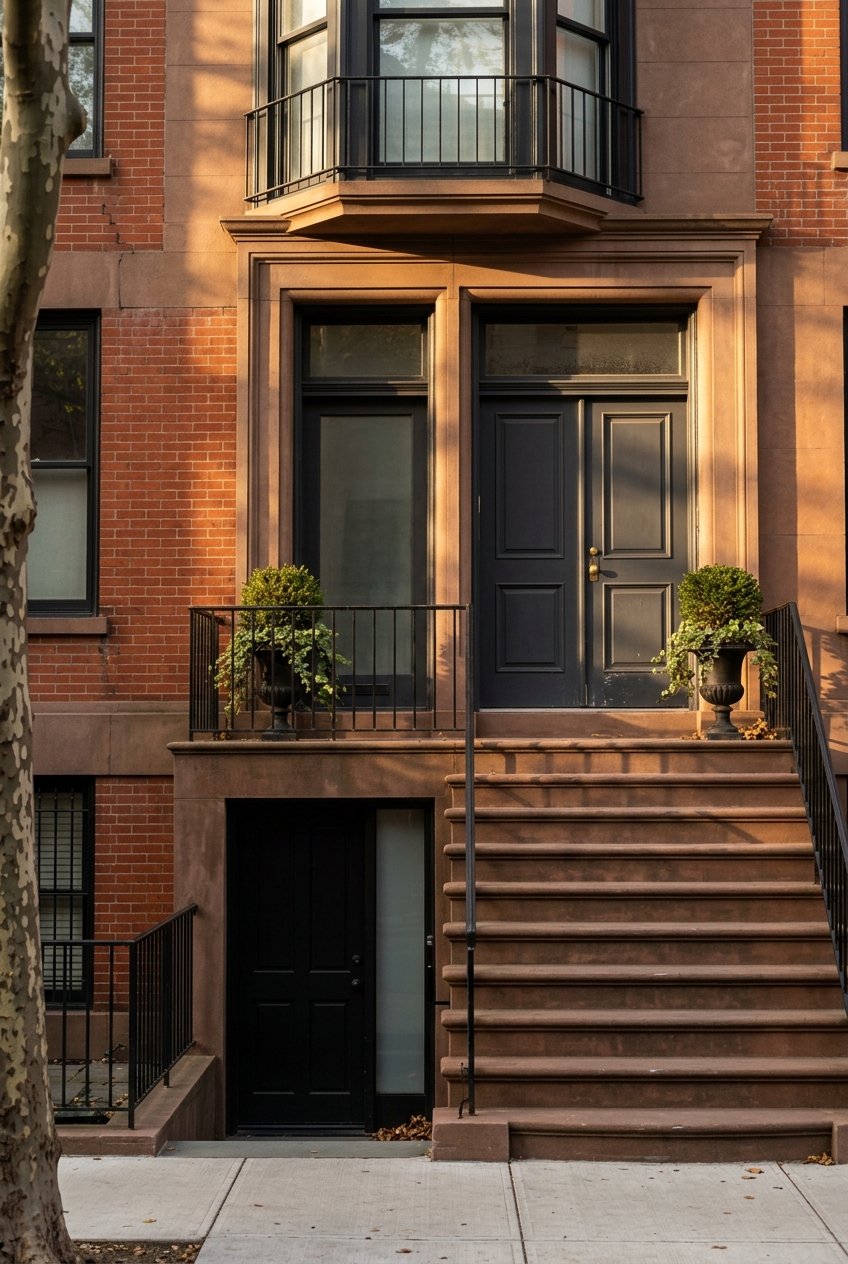
If you are thinking about buying a Park Slope brownstone with rental potential, you are probably balancing two goals at once: finding a beautiful home and making the numbers work. That tension is real in a neighborhood where historic houses carry premium pricing, renovation complexity, and a wide range of possible rental income. The good news is that with the right underwriting and due diligence, you can make a smarter decision from the start. Let’s dive in.
Start With the Right Mindset
In Park Slope, a brownstone is usually bought first as a home and second as an income-producing asset. That matters because rental income can help offset carrying costs, but it should not be the only reason you buy. The strongest purchase is often the one you would still feel good about owning even if rents stayed flat for a period of time.
That approach fits the neighborhood. Park Slope is known for its historic architecture, calm residential feel, and proximity to Prospect Park. It is also a premium market, with StreetEasy showing a median sale price of $1.7 million, a median base rent of $4,100, and brownstones that can command $3 million or more.
Why Park Slope Brownstones Draw Buyers
Park Slope has a distinct housing stock shaped by rows of masonry houses and flats buildings built mostly from the mid-19th to early 20th centuries. The Park Slope Historic District was designated in 1973 and later expanded, which helps explain why the neighborhood still feels visually cohesive today. For many buyers, that historic character is part of the value proposition.
But character also comes with tradeoffs. A brownstone may offer scale, original detail, and income potential, yet it can also require more maintenance, more planning, and more oversight than a newer property. If you are buying here, you want to understand both sides clearly.
Model Rental Income Carefully
One of the biggest mistakes buyers make is underwriting rental income from a neighborhood average. In Park Slope, that can lead to unrealistic expectations because asking rents vary widely depending on unit size, layout, condition, and finish level. Current examples range from a $2,750 studio to larger units asking well above $5,000, with some two-bedroom listings reaching $7,850 or $8,000.
That spread tells you something important. Rental potential depends less on the ZIP code alone and more on the exact apartment you will be renting. A thoughtfully renovated garden or parlor-level unit can perform very differently from a lower-finish apartment with an awkward layout.
Focus on the Actual Unit Mix
When you evaluate a brownstone, start with the real configuration of the building rather than the listing language. Ask what units exist today, how they are laid out, what condition they are in, and how those details line up with current demand. Small differences in privacy, light, access, and finishes can change projected rent in a meaningful way.
This is why careful property-level analysis matters. A broad Park Slope rent number may be useful as a starting point, but it should never be your full underwriting model.
Two-Family vs. Three-Family Brownstones
As a practical buying heuristic, two-family brownstones often feel more lifestyle-forward. They may give you a more generous owner's layout while still allowing one income-producing unit. Three-family homes tend to lean more income-oriented because they add another rental door and spread vacancy risk across more than one tenant.
Still, that is an underwriting preference, not a legal rule. The more important questions are the legal unit count, the certificate of occupancy, and the rent status of each unit. Marketing language can be helpful, but it should never replace document review.
Verify Legal Use Before You Count Income
This is one of the most important steps in the process. In New York City, legal use is not always the same as how a property is marketed or how a tax record appears. NYC specifically warns that Department of Finance tax class can differ from legal use, so you should not rely on the tax bill alone.
Instead, confirm the legal unit count and occupancy history directly through the building records. If a home is presented as having rental flexibility, make sure that flexibility is actually lawful. This step can protect you from overestimating income and inheriting compliance issues after closing.
Be Careful With Basements and Cellars
Basement and cellar space can look attractive on paper, but it requires extra caution. HPD states that basements and cellars in residential properties can never be lawfully rented unless they meet strict requirements and receive DOB approval. It also states that cellars in one- and two-family homes can never be lawfully rented.
There is another major limitation in two-family properties. If renting a basement would effectively convert the building into a three-family home, that would require a new certificate of occupancy. In other words, space that seems like obvious rental upside may not be legal income at all.
Know the Limits on ADUs
New York City's newer ADU rules are limited and technical. Only one ADU is allowed per one- or two-family residence, and the owner must occupy the property at initial occupancy. In many cases, a two-family home that adds an attic, basement, cellar, or attached ADU is generally treated as a three-family under the Multiple Dwelling Law unless the unit is separated by a fire wall.
For buyers, the takeaway is simple. Do not assume you can create a new income unit later without significant review. If future reconfiguration is part of your plan, that plan needs to be checked carefully before you buy.
Understand Short-Term Rental Restrictions
Some buyers assume they can create extra income through short-term rentals, but New York City's rules are strict. The Office of Special Enforcement says entire-unit short-term rentals are only permitted in Class B multiple dwellings, not in apartments, single-family homes, or two-family buildings. That makes short-term rental income a risky assumption for many Park Slope brownstones.
In one- and two-family homes, short-term stays are only allowed when the host stays in the unit, has no more than two paying guests, and is properly registered. If your purchase depends on frequent whole-unit short stays, the underwriting likely needs to be revisited.
Check for Rent Stabilization Issues
If any unit in the building is rent stabilized, your income picture may change significantly. According to HCR, rent-stabilized tenants are entitled to lease renewals and required services, annual registrations must be filed, guideline increases are limited, and overcharges can trigger refunds and penalties. Those are meaningful operational and financial considerations.
That does not automatically make the property a bad purchase. It simply means your analysis needs to reflect the actual regulatory status of each unit, rather than assuming every apartment can achieve market-rate rent on your timeline.
Budget for Historic-District Reality
Park Slope's architectural appeal is a big part of why buyers want to be here. It is also why renovation planning can be more involved. LPC says it must approve in advance any alteration, reconstruction, demolition, or new construction affecting a designated building, and owners in historic districts need permits for most types of alterations.
Interior work is usually not reviewed unless it affects the exterior or requires a DOB permit. Ordinary exterior repairs, such as replacing broken window glass, generally do not need LPC approval. Even so, if your business plan includes exterior upgrades, rear additions, window changes, stoop work, or façade work, you should expect an added layer of review.
Common Brownstone Capital Items
Many visible capital items in Park Slope brownstones are the familiar ones buyers notice right away, including:
- Stoops
- Window surrounds and sash
- Cornices
- Areaways
- Rear or side additions
LPC designation materials identify these as characteristic building features and also document common alterations such as replacement stoops, replacement sash, window grilles, and areaway paving. These items are not just aesthetic details. They can affect your renovation budget, timeline, and approval path.
DOB Requirements Still Matter
Historic-district review is only one layer. DOB guidance makes clear that while some minor work can be done without a permit, many residential alteration projects still require permits and licensed contractors, especially when plumbing, electrical, or structural work is involved. For buyers, that means renovation budgets should include more than finishes and fixtures.
You also need to allow for compliance time, professional fees, and a slower process than you might see in an unprotected building. In a Park Slope brownstone, the hidden cost is often not just the work itself, but the time and coordination needed to do it correctly.
Build a Conservative Underwriting Plan
A smart Park Slope brownstone purchase usually comes down to disciplined assumptions. If you are owner-occupying, ask whether the house still works for you if the rental unit turns over slowly or rents for less than you hoped. That question can keep you grounded in a market where beauty and possibility sometimes outpace practicality.
A conservative framework often includes:
- Using projected rent based on the exact unit, not the neighborhood median alone
- Confirming legal use and certificate of occupancy before valuing income
- Reviewing whether any unit has rent stabilization history
- Stress-testing carrying costs if the rental unit is vacant for a period
- Budgeting for LPC and DOB timing if renovation is part of the plan
- Treating basement, cellar, or future-unit income with caution unless clearly approved
This kind of discipline does not make the purchase less exciting. It makes it more durable.
A Better Way to Evaluate the Opportunity
The best Park Slope brownstone deals are rarely just about maximizing rent. More often, they are about balancing lifestyle value with rental support in a way that fits how you actually want to live. If the home works beautifully for you and the rental income helps carry the asset, you may have a stronger long-term position than if you chase an aggressive income story that depends on perfect conditions.
That is especially true in a neighborhood with premium pricing, historic protections, and a wide range of apartment outcomes. In this market, precision matters. So does having a team that can look at the purchase not only as a transaction, but as a property with real operational and renovation implications.
If you are exploring a Park Slope brownstone and want clear guidance on value, legal use, rental potential, and renovation considerations, Falchiere Group can help you evaluate the opportunity with a practical New York lens.
FAQs
What should you verify before buying a Park Slope brownstone with rental income?
- You should verify the legal unit count, certificate of occupancy, existing rent status, and whether the property still makes sense for you if rental income underperforms.
How much rental income can a Park Slope brownstone unit generate?
- It depends on the exact unit mix, layout, size, and finish level, since current Park Slope rental listings range from $2,750 for a studio to well above $5,000 for larger apartments, while the neighborhood median base rent is $4,100.
Can you rent out a basement apartment in a Park Slope brownstone?
- Not automatically. HPD says basements and cellars can never be lawfully rented unless they meet strict requirements and receive DOB approval, and cellars in one- and two-family homes can never be lawfully rented.
Can you use a Park Slope brownstone for short-term rentals?
- In many cases, no. NYC says entire-unit short-term rentals are not permitted in apartments, single-family homes, or two-family buildings, and limited hosting in one- and two-family homes requires the host to stay on site, have no more than two paying guests, and be properly registered.
Do Park Slope brownstone renovations need landmark approval?
- Often, yes. LPC says owners in historic districts must obtain permits for most types of alterations affecting designated buildings, especially where exterior changes are involved.
Why is a three-family brownstone different from a two-family brownstone in Park Slope?
- From an underwriting perspective, a three-family home may offer more income support and vacancy diversification, while a two-family home often feels more lifestyle-oriented, but the legal setup and existing building records matter more than the marketing label.