If you are drawn to Brooklyn Heights, chances are you are not just shopping for square footage. You are trying to picture how a neighborhood feels from morning to night, how often you can walk instead of plan, and whether the setting supports the kind of city life you actually want. In Brooklyn Heights, the answer often comes down to a rare mix of historic streets, waterfront access, and everyday convenience. Let’s dive in.
Why Brooklyn Heights Feels Different
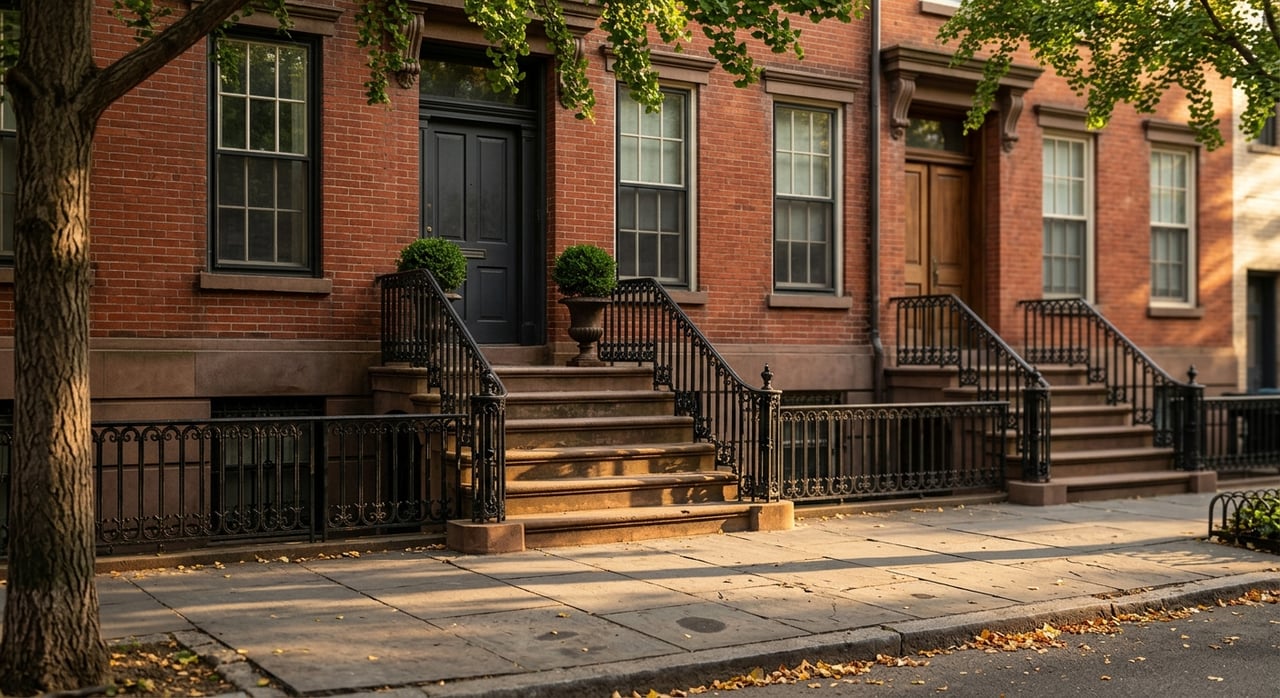
Brooklyn Heights stands apart as a historic, low-rise residential neighborhood with a strong walk-to-everything pattern. The neighborhood is generally defined from Old Fulton Street to Atlantic Avenue and from Cadman Plaza and Court Street to the Promenade and East River. Within those boundaries, you will find rows of brick and brownstone homes, some apartment buildings, trees, playgrounds, and religious institutions.
That physical layout shapes the experience of living here. Instead of a tower-heavy skyline at street level, you get townhouse-scale blocks and a calmer residential rhythm. For many buyers, that balance is the appeal: a neighborhood that feels established and grounded while staying close to the energy of the rest of Brooklyn and Manhattan.
Waterfront Living Shapes the Day
The waterfront is not just a backdrop in Brooklyn Heights. It is part of the neighborhood’s daily rhythm. The Brooklyn Heights Promenade sits on the East River south of the Brooklyn Bridge, with views of the bridge, Lower Manhattan, New York Harbor, and the South Street Seaport.
Alongside the Promenade is a landscaped ribbon of park about one-third of a mile long. That means your walk to clear your head, catch fresh air, or take in the skyline does not need to be a planned outing. It can be part of your normal routine before work, after dinner, or anytime in between.
Just below and next to the Heights, Brooklyn Bridge Park adds another layer to waterfront living. The park stretches 1.3 miles along the East River shoreline, covers 85 acres, is free to enter, and is open daily from 6 a.m. to 1 a.m. For many residents, that kind of access changes how they use the neighborhood day to day.
What a Typical Routine Can Look Like
A realistic Brooklyn Heights routine often starts with a short walk on the Promenade and ends with a waterfront view at sunset. In between, Brooklyn Bridge Park can easily fit into your schedule for a walk, a playground visit, or a quick reset after work. That pattern is not a formal rule, but it closely matches the neighborhood’s geography and residential scale.
If you are comparing Brooklyn neighborhoods, this matters. Some places offer parks as amenities. Brooklyn Heights offers the waterfront as part of your natural circulation through the day.
Housing Stock Has a Classic Brooklyn Feel
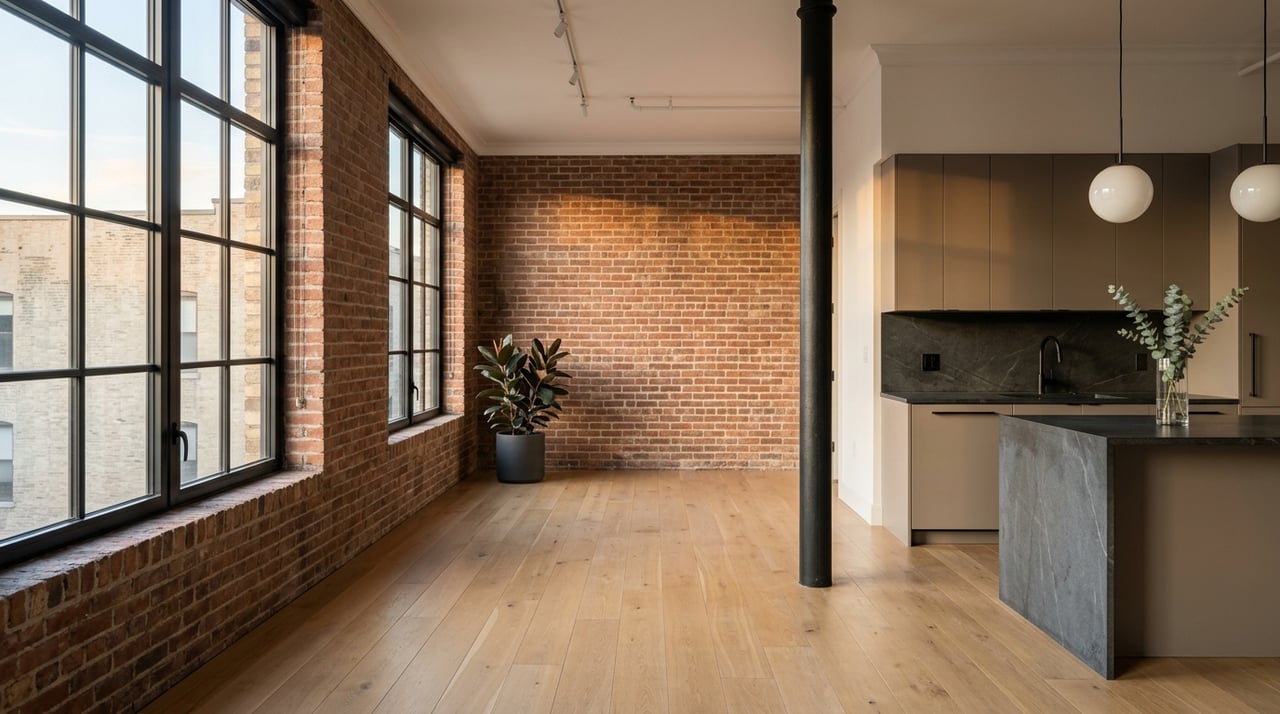
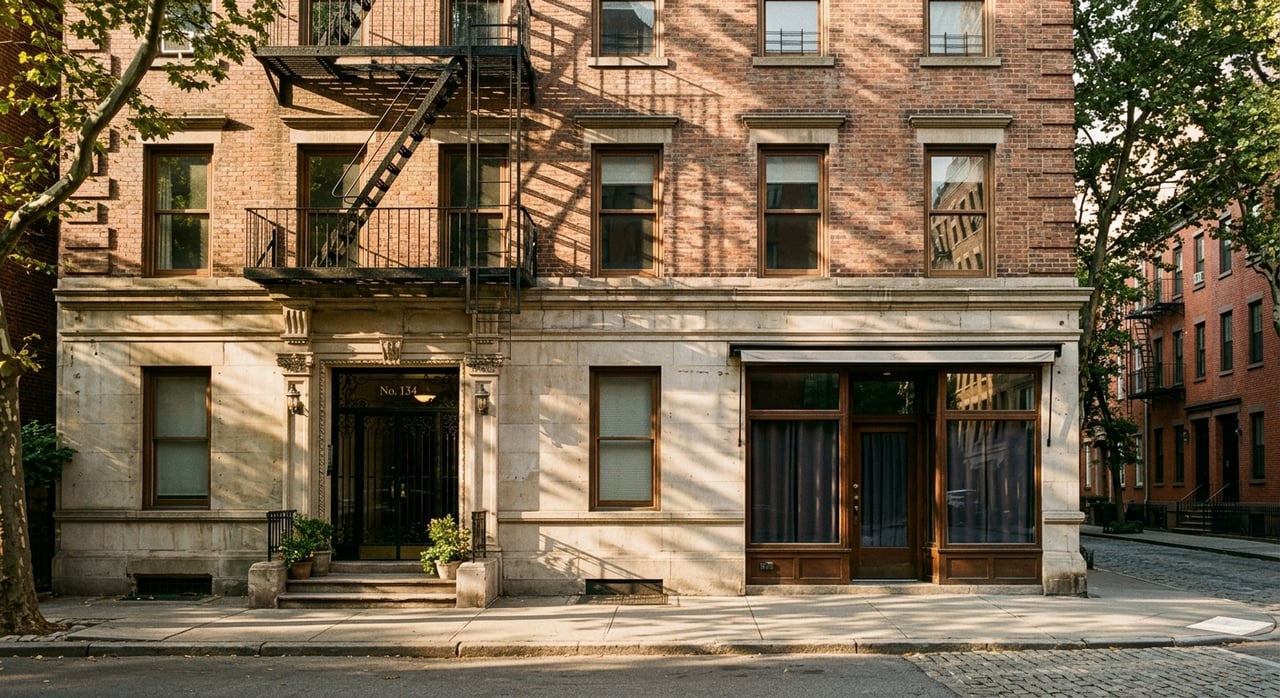
The housing stock in Brooklyn Heights is a big part of its identity. The neighborhood is overwhelmingly made up of low-rise brick and brownstone row houses, with some apartment buildings mixed in. If you are buying here, you are usually choosing from classic brownstone Brooklyn rather than a landscape dominated by newer high-rise towers.
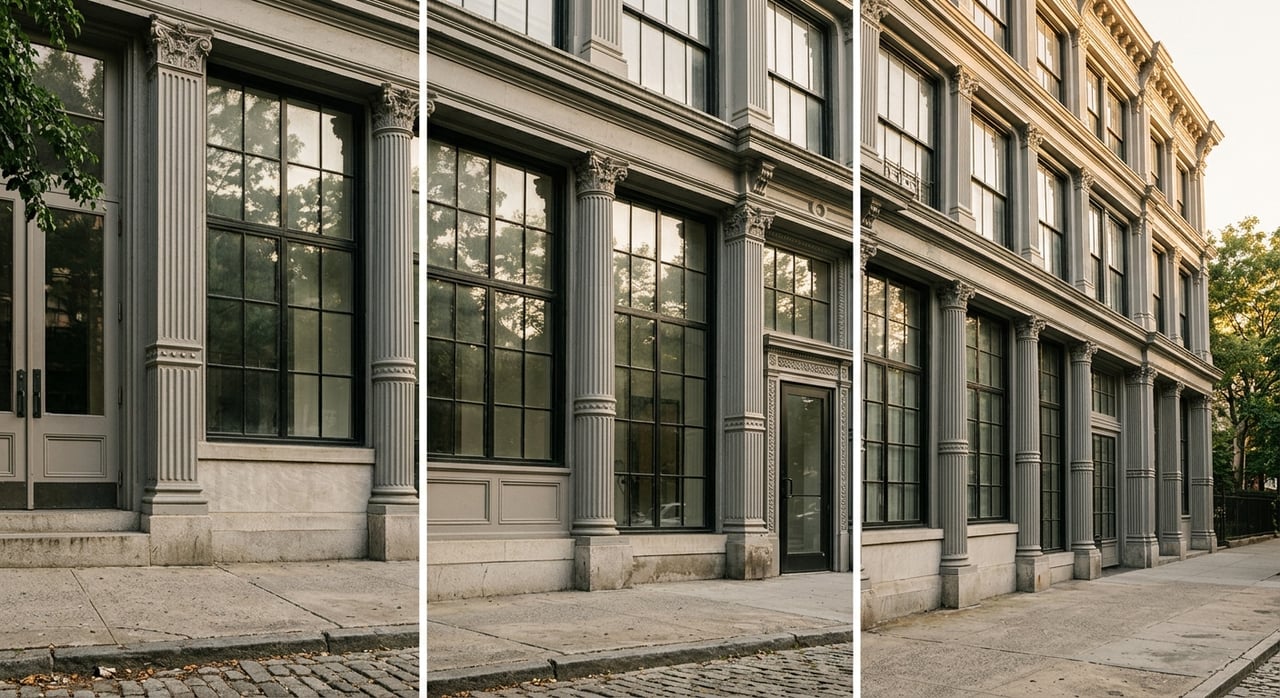
That often appeals to buyers who value architectural continuity, human-scale streets, and homes with a strong sense of place. It also means the neighborhood tends to feel visually consistent from block to block. For buyers looking for a quieter residential setting, that consistency can be a major advantage.
Historic District Rules Matter
Brooklyn Heights is not just historic in feel. Much of the neighborhood sits within the Brooklyn Heights Historic District, which was designated on November 23, 1965. The designation recognizes the area’s architectural and historical significance and its distinct sense of place.
From an ownership standpoint, that matters in practical ways. Exterior alterations, reconstruction, demolition, or new construction affecting designated properties require approval from the New York City Landmarks Preservation Commission. If you are considering changes to façades, stoops, windows, railings, or other visible exterior elements, you should expect landmark review.
This is one of the clearest tradeoffs in Brooklyn Heights. The same protections that help preserve the neighborhood’s scale and visual character can also limit how freely an owner changes a building from the street. Buyers who are comfortable with that framework often see it as part of the long-term value of the neighborhood.
Transit Access Stays Strong
One reason Brooklyn Heights works so well for daily life is that it combines a quieter residential feel with dense transit access. Several subway options serve the area, including Clark Street on the 2 and 3 lines, Borough Hall on the 2, 3, 4, and 5, High Street on the A and C, and Jay St-MetroTech on the A, C, F, and R.
For you, that means multiple ways to reach Lower Manhattan, connect to Midtown-bound service, or move through Downtown Brooklyn without relying on a car. In a city where flexibility matters, having several nearby lines can make everyday logistics easier.
Ferry Access Adds Another Option
The ferry is also part of the transportation picture. The NYC Ferry South Brooklyn route serves Atlantic Ave and Brooklyn Bridge Park Pier 6, with connections to Pier 11 at Wall Street and DUMBO and Fulton Ferry. For residents near the waterfront, that adds another useful option for downtown trips.
This does not replace the subway network, but it does broaden your choices. In a neighborhood defined by walking and access, that extra layer of mobility can be a meaningful quality-of-life benefit.
Montague Street Anchors Daily Errands
If the Promenade is central to mornings and evenings, Montague Street is central to the middle of the day. It is identified as the neighborhood’s main shopping street, and it functions as a practical social and retail spine for Brooklyn Heights.
The corridor also hosts seasonal Open Streets between Clinton and Hicks, where that stretch closes to car traffic. That detail reinforces the pedestrian character of the neighborhood and adds to the sense that daily life here happens at street level.
The Brooklyn Heights Association also notes that Henry Street and other quieter nearby blocks add more stores and restaurants. For residents, that usually means coffee, groceries, dinner, and small errands cluster on or near Montague, with additional neighborhood retail layered into surrounding streets.
Why Walkability Matters to Buyers
Walkability is easy to talk about, but in Brooklyn Heights it feels especially tangible. The neighborhood’s layout supports a routine where errands, transit, waterfront access, and dining can happen without much friction. That is a different experience from neighborhoods where amenities are technically nearby but feel disconnected from daily life.
For buyers, that can shape everything from how often you leave the car behind to how spontaneous your weeknights feel. It is one reason Brooklyn Heights continues to appeal to people who want convenience without giving up a residential atmosphere.
Who Brooklyn Heights Often Fits Best
Brooklyn Heights tends to resonate with buyers who want a historic, waterfront, walk-first neighborhood with immediate access to parks, transit, and a compact commercial corridor. It can be especially compelling if you want a quieter residential enclave while staying close to Manhattan and Downtown Brooklyn.
It may also appeal to you if you value classic brownstone streetscapes and a neighborhood with strong architectural continuity. At the same time, it helps to go in with clear expectations about landmark oversight if your plans include exterior changes.
In other words, Brooklyn Heights often works best for buyers who see preservation and convenience as complementary rather than competing priorities. If that sounds like your outlook, the neighborhood’s daily rhythm can be a very strong fit.
If you are exploring Brooklyn Heights and want practical guidance on evaluating brownstones, apartment inventory, landmark considerations, or overall positioning within the Brooklyn market, Falchiere Group offers the kind of local, hands-on support that helps you move with clarity.
FAQs
What is daily life like near the Brooklyn Heights waterfront?
- Daily life near the waterfront often revolves around easy access to the Promenade and Brooklyn Bridge Park, making morning walks, evening strolls, and quick outdoor breaks part of a normal routine.
What types of homes are common in Brooklyn Heights?
- Brooklyn Heights is known for low-rise brick and brownstone row houses, along with a smaller mix of apartment buildings.
What does the Brooklyn Heights Historic District mean for owners?
- If your property is in the historic district, visible exterior work such as changes to windows, stoops, railings, façades, or new construction generally requires review and approval from the New York City Landmarks Preservation Commission.
What transit options serve Brooklyn Heights residents?
- The neighborhood is served by the 2, 3, 4, 5, A, C, F, and R subway lines through nearby stations, and the NYC Ferry South Brooklyn route also serves Atlantic Ave and Brooklyn Bridge Park Pier 6.
What is Montague Street’s role in Brooklyn Heights?
- Montague Street is the neighborhood’s main shopping street and often serves as the center for errands, dining, and everyday retail activity.
Why do buyers choose Brooklyn Heights over other Brooklyn neighborhoods?
- Many buyers are drawn to Brooklyn Heights for its combination of historic character, waterfront access, walkability, strong transit connections, and a quieter residential setting near Manhattan and Downtown Brooklyn.