Thinking about listing your Park Slope townhouse? Before you pour money into a major renovation, it helps to know that the smartest pre-listing updates are often the most focused ones. In a neighborhood where buyers notice architectural character, condition, and presentation right away, the goal is not to overbuild. It is to make the house show at its best, avoid unnecessary delays, and spend where buyers are most likely to respond. Let’s dive in.
Why strategy matters in Park Slope
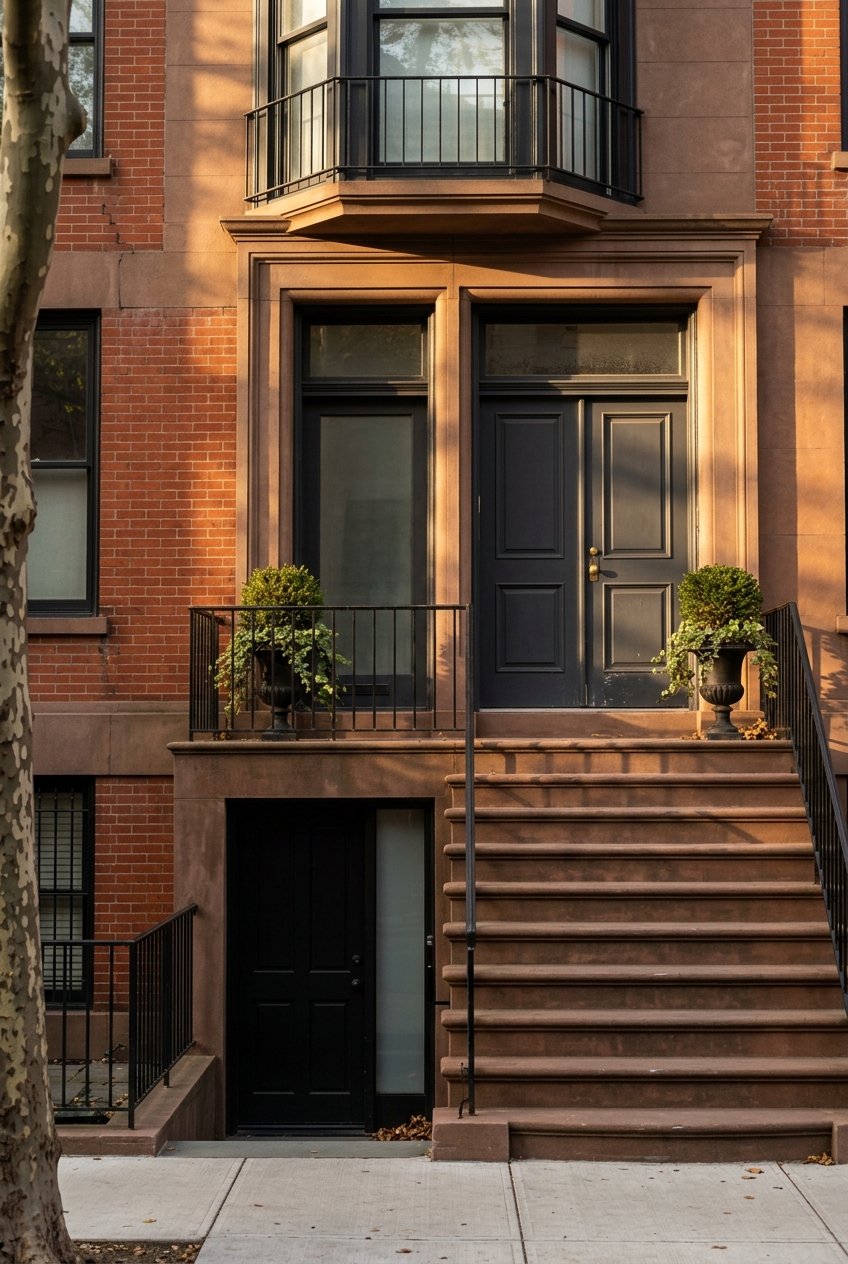
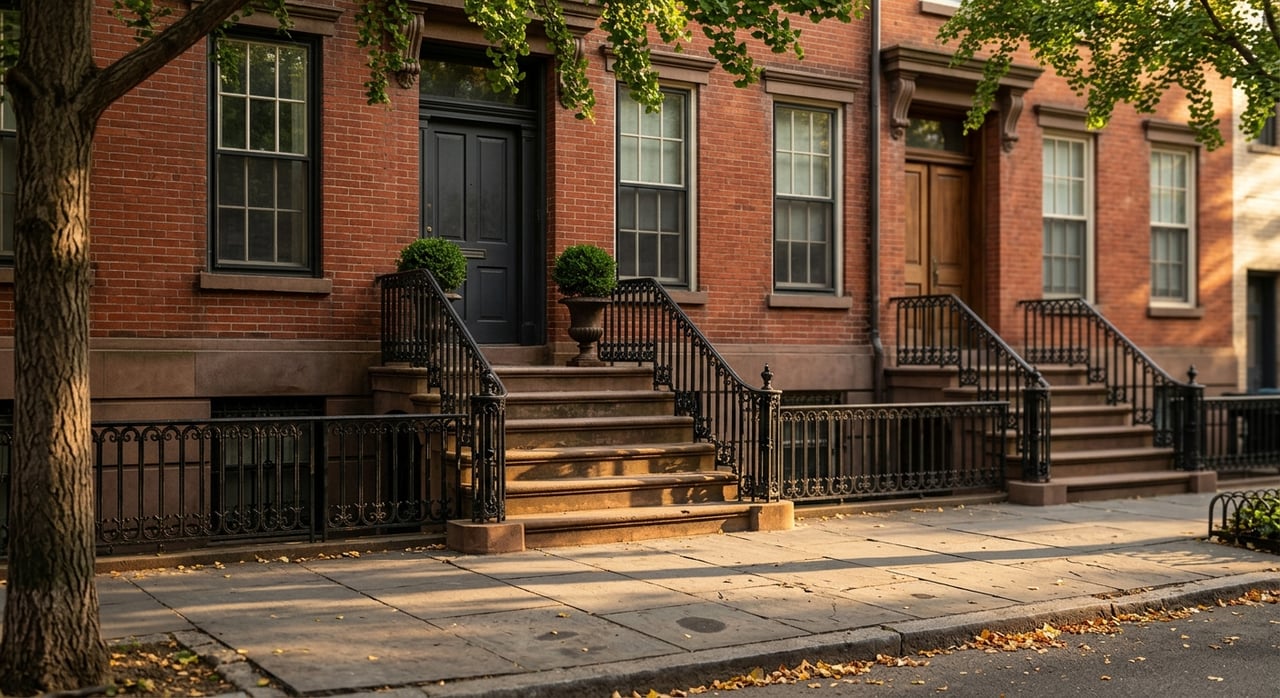
Park Slope is not a market where you can treat every townhouse the same. The neighborhood is known for its rowhouse streetscape, historic character, and architectural consistency, which means buyers are often evaluating preserved details just as closely as square footage or finish level.
That context matters when you decide what to update before listing. If your home sits within a historic district, exterior changes may require review by the Landmarks Preservation Commission, even when the work is not highly visible from the street. That makes pre-listing planning especially important if you want to avoid a drawn-out timeline.
Start with presentation and condition
If you want the highest-impact improvements, begin with the basics buyers see and feel immediately. Clean presentation, visible maintenance, and move-in-ready cosmetic updates usually do more for a Park Slope townhouse than a flashy gut renovation.
The strongest pre-listing spend is often directed toward a few practical areas:
- Fresh paint
- Floor refinishing or resurfacing
- Modest kitchen updates
- Modest bathroom updates
- Repairing visible wear and deferred maintenance
- Professional staging and photography
These projects tend to improve how the home shows without pushing you into unnecessary cost or permit complexity.
Paint is often the easiest win
A fresh coat of paint is one of the safest updates before listing. It is highly visible, relatively straightforward, and helps buyers focus on the home itself instead of scuffs, bold colors, or signs of wear.
Industry data supports that approach. Realtors most often recommend painting before listing, whether that means the full home or a single room. In New York City, painting is also considered a cosmetic item that does not require a DOB permit, which helps keep your timeline simple.
For a Park Slope townhouse, paint works best when it supports the architecture rather than competes with it. Clean, neutral tones can make moldings, ceiling height, and natural light stand out more clearly in person and in listing photos.
Refinish floors before replacing them
Floors are one of the first details buyers notice in a townhouse. In Park Slope, original hardwood floors often contribute to the home’s overall appeal, so restoring what is already there can be more effective than replacing it.
DOB guidance says resurfacing floors does not require a permit. Cost guidance in the research also suggests refinishing is usually the better option when hardwood is still serviceable and not deeply gouged or damaged by moisture.
That makes floor refinishing a strong pre-listing project for many sellers. If your floors are structurally sound, restoring their appearance can improve the entire feel of the house without the cost and disruption of a larger flooring project.
Keep kitchen updates modest
Kitchens matter, but that does not mean you should launch a full custom remodel before listing. In fact, the research points in the opposite direction for most sellers.
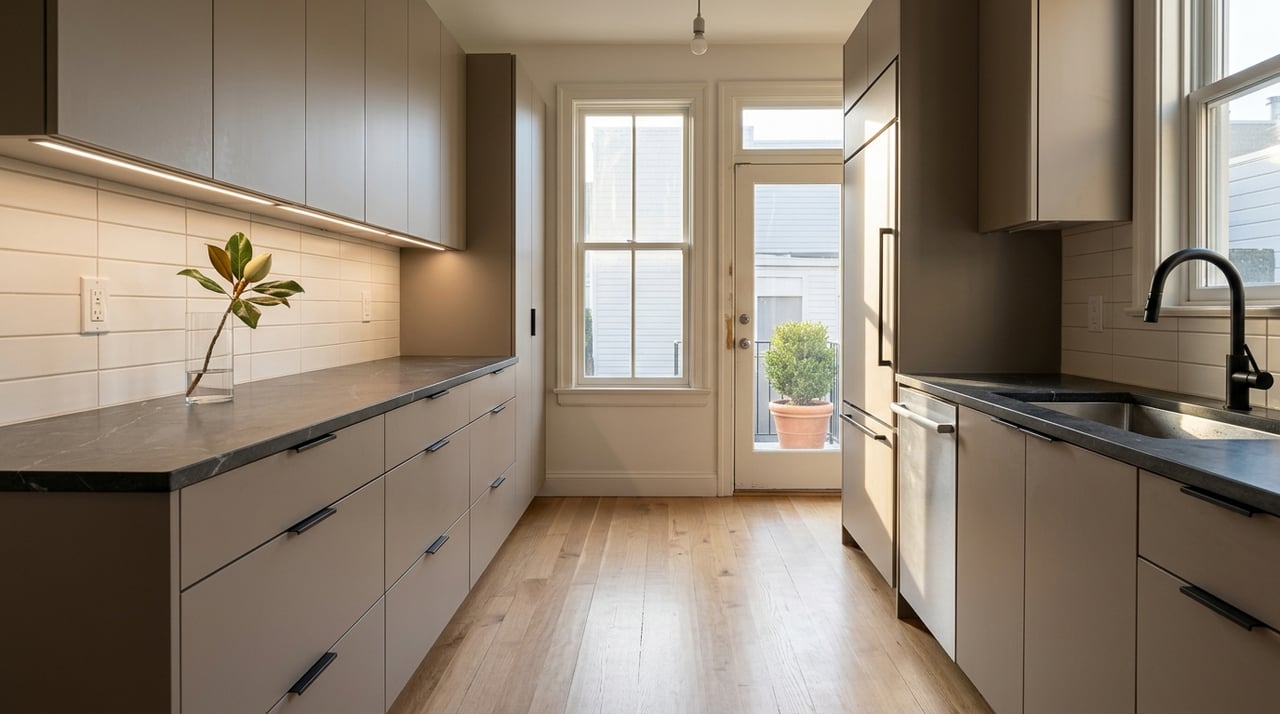
In New York City cost-recovery data, a midrange minor kitchen remodel outperformed a major midrange kitchen remodel by a wide margin. The takeaway is simple: if your kitchen functions well, a measured refresh is usually the smarter move.
What a smart kitchen refresh can include
If your kitchen is dated but usable, consider updates that improve presentation without turning the project into a full renovation:
- Painting walls
- Installing new cabinets if needed
- Replacing fixtures
- Updating worn finishes
- Improving lighting
- Correcting visible maintenance issues
According to DOB, some cosmetic kitchen work such as painting and installing new cabinets generally does not require a permit. But kitchen renovations can quickly cross into regulated work, so scope matters.
When a bigger kitchen project may be justified
A more ambitious kitchen renovation may make sense if the room is functionally failing, has water damage, or is so outdated that it is likely to hurt buyer reaction during showings. Outside of those scenarios, a large custom remodel often adds cost without adding proportionate resale benefit.
Refresh bathrooms without overbuilding
Bathrooms follow a similar pattern. Buyers care about cleanliness, condition, and function, but the numbers favor restrained updates over upscale overhauls for most sellers.
New York City data shows a midrange bath remodel recouping more than an upscale bath remodel. So if your bathroom is tired but operational, a refresh is often enough to improve how the home shows.
Best bathroom improvements before listing
Focus on changes that make the space feel brighter, cleaner, and better maintained:
- Fresh paint
- Replacing plumbing fixtures
- Updating worn finishes
- Repairing visible issues
- Improving lighting
DOB guidance indicates that plumbing fixture replacement generally does not require a permit, but larger bathroom renovations often do. That line is important if you are trying to stay on a listing schedule.
Be cautious with exterior changes
Exterior work can be appealing, especially when you want to sharpen curb appeal. But in Park Slope, exterior changes often involve more review than sellers expect.
Because many townhouses are in historic districts, LPC says most changes to front and rear facades require review. Even work that is not visible from the street may still need approval. By contrast, ordinary repairs such as repainting to match the existing color or replacing broken window glass in kind do not usually require LPC approval.
Why exterior projects can slow your listing
If an exterior project is mostly aesthetic, it may not be the best use of your pre-listing budget or timeline. LPC review can add steps, and projects that do not conform to the rules may require fuller review.
That does not mean exterior condition should be ignored. It means you should separate necessary repair from elective alteration and prioritize the work that protects value without delaying your launch.
Treat windows as a condition issue
Window replacement is another area where sellers can overspend. In New York City cost-recovery data, wood window replacement showed moderate recoupment, not standout returns.
In a Park Slope townhouse, the better question is whether the windows are still serviceable. If they are, repair or in-kind restoration may be the smarter move, especially since exterior changes in historic districts often face LPC review.
Stage after repairs are complete
Once the work is done, your next dollar may go further in staging than in another round of remodeling. Buyer perception matters, and staging helps buyers picture how a townhouse lives from floor to floor.
Research from NAR found that 83% of buyers’ agents said staging made it easier for buyers to envision the property as their future home. That matters in a townhouse, where room scale, furniture placement, and flow can influence how buyers read the home.
Professional photography should follow immediately after staging. In New York City, exposure is critical, and strong visuals are part of what helps a listing attract attention quickly.
Plan your timeline around the market
If you are targeting a spring listing, do not wait until spring to start the prep work. StreetEasy’s NYC market analysis says inventory typically rises through early spring and peaks in May, then declines after Memorial Day, with another smaller rebound in September and October.
That makes winter a practical planning window for a spring launch. It gives you time to define scope, gather bids, complete cosmetic work, and prepare the home without rushing.
Spring and fall can support presentation
Seasonality also matters in Park Slope because the neighborhood setting is part of the appeal. Prospect Park brings 585 acres of green space to the area, and spring migration and fall foliage are described as peak times to enjoy it.
For sellers, that can support listing photos and showings when the streetscape and park backdrop feel especially strong. If your schedule is flexible, spring and early fall may offer a helpful visual advantage.
Understand permits before you start
Permit confusion is one of the easiest ways to lose time before listing. In New York City, the difference between cosmetic and regulated work can be narrower than sellers expect.
DOB says most kitchen and bathroom renovations require an ALT2 permit filed by a PE or RA. At the same time, painting, installing new cabinets, plumbing fixture replacement, and resurfacing floors generally do not require a DOB permit.
If you are considering any home-improvement work, contractor selection matters too. Contractors doing this type of work must have the proper DCWP home improvement contractor license.
A simple pre-listing permit checklist
Before work begins, make sure you know:
- Whether the project is cosmetic or regulated
- Whether DOB filing is required
- Whether LPC review is required for exterior work
- Who is responsible for permits and approvals
- Whether your contractor is properly licensed and insured
- How the work fits your target listing date
Interviewing multiple contractors is a smart step. It also helps to align the project scope with your listing strategy first, so you do not over-improve for the block or your likely buyer pool.
Focus on updates that help the home show better
For most Park Slope townhouse sellers, the best pre-listing plan is not the biggest one. It is the one that improves condition, preserves character, respects the building’s context, and keeps your launch on schedule.
That usually means investing in presentation, restoring serviceable original elements, making measured kitchen and bath improvements, and eliminating visible maintenance issues. Large custom remodels are harder to justify unless they solve a clear buyer objection or address a real functional problem.
If you want to prepare your townhouse for market with a practical, ROI-conscious plan, Falchiere Group can help you evaluate what to update, what to leave alone, and how to time your listing for the strongest possible presentation.
FAQs
What updates add the most value before listing a Park Slope townhouse?
- The most effective updates are usually fresh paint, floor refinishing, modest kitchen and bathroom refreshes, visible repairs, and staging after the work is complete.
Do Park Slope townhouse exterior updates need LPC approval?
- Many do. If your townhouse is in a historic district, LPC says most exterior changes to front and rear facades require review, even when some work is not visible from the street.
Do cosmetic updates in a Park Slope townhouse require NYC permits?
- Often no. DOB says painting, installing new cabinets, plumbing fixture replacement, and resurfacing floors generally do not require a DOB permit, while most kitchen and bathroom renovations do.
Should you renovate a kitchen before listing a Park Slope townhouse?
- Usually only in a modest way unless the kitchen is functionally failing, water-damaged, or so outdated that it will likely hurt showings.
When is the best time to prepare a Park Slope townhouse for sale?
- If you want a spring listing, start planning in winter. NYC inventory typically builds through early spring and peaks in May, with a smaller rebound in September and October.
Is staging worth it for a Park Slope townhouse listing?
- Yes. NAR reports that 83% of buyers’ agents said staging made it easier for buyers to envision the property as their future home.