If you are getting ready to sell a Brooklyn Heights brownstone, preparation matters more than ever. Buyers pay close attention in this market, and in a landmarked neighborhood, they often look at both presentation and paperwork with equal care. The good news is that a smart, repair-first launch can help you reduce surprises, support your asking price, and create a smoother path to closing. Let’s dive in.
Why prep matters in Brooklyn Heights
Brooklyn Heights is a premium market, but that does not mean every home sells effortlessly. Redfin’s May 2026 data shows a median sale price of $1,344,548, a median 37 days on market, and a 99.6% sale-to-list ratio. At the same time, 25.3% of homes had price drops, which is a useful reminder that buyers are still sensitive to price and condition.
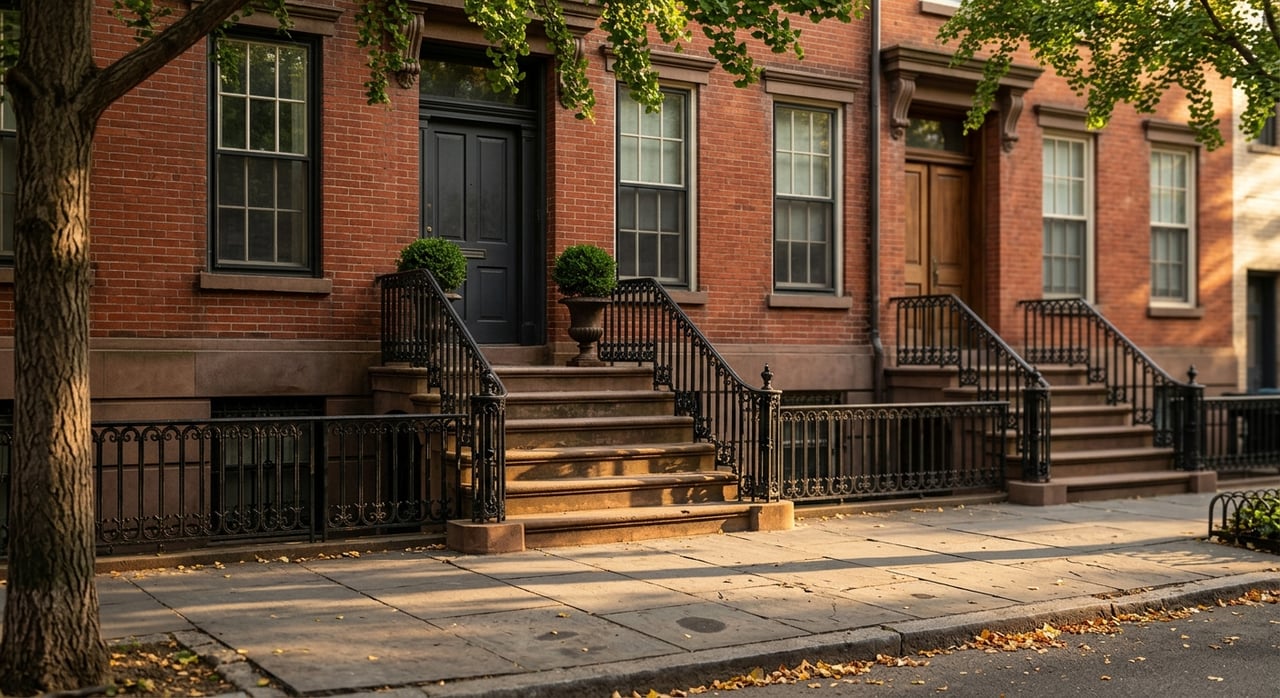
That dynamic matters even more for brownstones. In a neighborhood known for historic architecture, buyers often notice deferred maintenance, unclear layouts, and unresolved exterior issues quickly. If your home feels complete, well-documented, and easy to understand, you put yourself in a stronger position from day one.
Start with landmark and compliance review
Before you think about paint colors or staging, make sure you understand the rules that apply to your property. Brooklyn Heights Historic District was designated in 1965, and the Landmarks Preservation Commission requires advance approval for alterations affecting designated properties. In historic districts, even some exterior work that is not visible from the street can require review.
Routine maintenance is treated differently. Repainting to match the existing color, caulking around windows and doors, and replacing broken window glass generally do not require the same level of review. That distinction is important because it helps you separate simple refresh work from items that may need formal approval.
Check past exterior changes
If your brownstone has had work done to windows, cornices, stoops, rooftop structures, backyard additions, or other exterior elements, it is worth reviewing that history before listing. The LPC notes serious violation risk for unpermitted exterior changes on landmark buildings and properties in historic districts.
For a seller, this is not just a legal detail. It can become a negotiation issue once a buyer begins due diligence. Cleaning up open questions before launch can help you avoid delays, credits, or last-minute retrades.
Reconcile permits and violations
A practical first step is to gather records for prior work and confirm whether anything remains unresolved. If there are open violations or unclear permit history, address them as early as possible. In a brownstone sale, uncertainty around building history can create friction that overshadows otherwise strong marketing.
This is where an experienced team can add real value. Falchiere Group’s hands-on approach to marketing, negotiating, and renovation oversight is especially useful when a listing needs both presentation strategy and project-level follow-through.
Get your disclosure package ready
For a 1-to-4 family brownstone used as a residence, New York’s Property Condition Disclosure Act requires you to deliver the disclosure statement before the buyer signs a binding contract. Condos and co-ops are exempt, but a traditional brownstone sale may fall squarely under this requirement.
The form is also clear about two things. It is not a substitute for independent inspections, and knowingly false or incomplete statements can create liability. That makes early preparation important, especially if your property has older systems, prior repairs, or renovation history that should be documented carefully.
Build a clean document file
Try to assemble a simple, organized package before the home goes live. That can include:
- The required property condition disclosure statement
- Records of major repairs or upgrades
- Permit and approval history for relevant work
- Information on building systems and maintenance
- Any available manuals, warranties, or service records
A complete file helps buyers feel more confident. It also helps your agent answer questions quickly and consistently during the first week on market.
Consider a pre-listing inspection
Many sellers wait for the buyer’s inspection to reveal issues, but that approach can cost you leverage. Zillow’s 2025 buyer report found that 65% of final offers were contingent on a home inspection, while only 14% of buyers said they skipped inspections entirely. The same report found that 64% of buyers who remembered said they received a pre-inspection report from the seller or builder.
In other words, inspections still shape a large share of deals. A pre-listing inspection can help you spot problems on your own timeline, decide what to repair, and reduce the risk of renegotiation after contract.
Focus on leverage, not perfection
The goal is not to make an older brownstone flawless. The goal is to identify issues that could hurt value, delay a sale, or scare off a qualified buyer. When you know the condition story in advance, you can price and market the home with more confidence.
Prioritize repairs over big last-minute renovations
If you are deciding between a large remodel and a focused refresh, current data points toward the simpler path. Zillow’s 2026 research found that turnkey homes sold for 2.9% more than expected and remodeled homes for 2.2% more, while fixer-uppers sold for 14% less.
For most Brooklyn Heights brownstones, that supports a repair-first plan. Rather than starting a major renovation before listing, it is often smarter to remove visible defects and present the property as complete, functional, and move-in ready.
What to fix first
In practical terms, your first-round prep often includes:
- Deep cleaning throughout the home
- Decluttering rooms, storage areas, and circulation paths
- Matched paint touch-ups
- Repairing obvious wear on floors, walls, trim, and hardware
- Addressing visible maintenance issues buyers will notice right away
This type of work usually delivers more value than an ambitious cosmetic overhaul done under time pressure. It also aligns better with buyer expectations in a historic home, where quality and consistency matter.
Make outdoor space count
In a brownstone, outdoor areas should feel like part of the house, not an afterthought. Buyers evaluate yard and outside space, and recent buyer research shows continued interest in lifestyle features tied to patios, yards, views, and usable outdoor areas.
If your property has a garden, terrace, or roof deck, focus on clarity. The space should look usable, comfortable, and easy to imagine enjoying. Avoid overcrowding it with too much furniture or décor.
Keep the layout simple
A few well-placed pieces can do more than a packed setup. You want buyers to understand where they would sit, dine, or gather. In listing photos and in person, that clear sense of use can help outdoor space feel like true added value.
Stage around the rooms buyers notice first
Staging works best when it helps buyers picture daily life in the home. According to the 2025 staging report, 83% of buyers’ agents said staging makes it easier for buyers to visualize a property as a future home. The living room, primary bedroom, and kitchen were the top rooms to stage.
That matters in a brownstone because the home often unfolds over multiple levels. When buyers can quickly understand how the main living spaces function, the whole property feels easier to process.
Brownstones need layout clarity
Brownstones can be beautiful, but they can also be visually complex online. Garden-level spaces, floor-through rooms, and vertical circulation do not always read clearly in still photography. That is why staging should support flow, not just style.
Keep furnishings scaled appropriately. Open up sightlines where possible. Help each room communicate a clear purpose so buyers do not have to guess how the house lives.
Invest in strong media at launch
Your listing has to explain the home before a buyer ever steps inside. Zillow’s 2025 prospective-buyer research found that floor plan was the most important listing feature for 33% of prospective buyers, followed by high-resolution photos at 26% and 3D or virtual tours at 20%.
This is especially important because many buyers spend a long time searching before they act. Zillow also found that 59% of prospective buyers had been shopping for six months or longer, and 67% had viewed homes on a real estate website or app. By the time they book a showing, they have often filtered aggressively.
Include the pieces buyers use most
For a Brooklyn Heights brownstone, your launch package should aim to make the home legible and compelling. That usually means:
- Clear floor plans
- High-resolution photography
- Media that explains the home’s flow across levels
- Accurate room use and layout descriptions
A polished launch is not just about aesthetics. It supports better buyer understanding, which can lead to stronger early interest and fewer mismatched showings.
Price for momentum, not wishful thinking
Pricing is one of the biggest strategic decisions you will make. In May 2026, Brooklyn Heights homes sold for 99.6% of list price based on Redfin data, but more than a quarter also saw price drops. Across Brooklyn, StreetEasy reported homes selling for a median 98.5% of latest asking price, with a 50-day median on market and mortgage rates back near 6.5%.
That combination suggests a disciplined approach. Buyers will pay for quality in Brooklyn Heights, but they still respond to value and current conditions. Overpricing can reduce momentum and make later price cuts more likely.
Base pricing on current closings
The most practical strategy is to launch from current closed comparable sales rather than aspirational asking prices. If your brownstone is clean, documented, and well-presented, a realistic list price can help you capture attention in the critical first days on market.
That early momentum matters. It can shape showing traffic, perceived demand, and the tone of negotiations that follow.
A smart launch sequence for sellers
If you want a simple way to think about the process, follow this order:
- Review landmark, permit, and violation history
- Prepare disclosures and supporting documents
- Order a pre-listing inspection if useful
- Fix visible condition issues and complete a deep clean
- Stage key rooms and clarify layout
- Prepare strong media, including floor plans
- Launch at a price supported by current closed comps
This sequence helps you solve the highest-risk issues first. It also creates a cleaner, more confident story for buyers, which is exactly what you want in a detail-oriented market like Brooklyn Heights.
Selling a brownstone here is not only about exposure. It is about careful preparation, clean execution, and knowing how to present a complex property in a way that feels both polished and credible. If you want a team that can guide pricing, marketing, negotiation, and renovation-related planning under one roof, Falchiere Group can help you prepare your Brooklyn Heights brownstone for a strong market debut.
FAQs
What should you fix before listing a Brooklyn Heights brownstone?
- Start with visible condition issues such as cleaning, decluttering, matched paint touch-ups, and obvious wear on surfaces, trim, floors, and hardware.
Does a Brooklyn Heights brownstone need landmark review before exterior work?
- In the Brooklyn Heights Historic District, exterior alterations generally require Landmarks Preservation Commission review, while some routine maintenance items are typically treated differently.
Do sellers need a property disclosure for a Brooklyn Heights brownstone?
- For a 1-to-4 family brownstone used as a residence, New York’s Property Condition Disclosure Act requires the seller to deliver the disclosure statement before the buyer signs a binding contract.
Is a pre-listing inspection worth it for a Brooklyn Heights brownstone sale?
- It can be, because inspections remain common and a pre-listing inspection may help you identify issues early and reduce renegotiation risk.
How should you price a Brooklyn Heights brownstone for sale?
- Price from current closed comparable sales and current market conditions, since strong presentation can help but overpricing may lead to longer time on market and price reductions.