Shopping for a SoHo loft and wondering if you need a jumbo mortgage? In Manhattan, many purchases sit above standard loan limits, so jumbo financing is common. This guide explains what counts as a jumbo loan, what lenders will ask from you, how SoHo loft appraisals and live/work rules can affect approval, and how to plan your timeline and costs. Let’s dive in.
What a jumbo loan is
A jumbo mortgage is any first mortgage that exceeds the conforming loan limit set by the Federal Housing Finance Agency. These loans are not sold to Fannie Mae or Freddie Mac. Lenders either keep them on their balance sheet or sell them to private investors, so rules and pricing vary by lender.
In Manhattan, many homes and lofts are priced above local conforming limits. That is why SoHo buyers often use jumbo financing. New York closing costs also matter, including New York State’s mansion tax at purchases of $1,000,000 and above, plus state and city transfer taxes. These items affect your cash at closing and your financing strategy.
Why SoHo buyers use jumbos
- SoHo and nearby Manhattan neighborhoods often have sale prices above conforming limits, especially for lofts and luxury condos.
- Jumbo underwriting is lender specific, so requirements vary and are usually stricter than conforming loans.
- Closing taxes like the mansion tax can influence how much you put down and how much you borrow.
Underwriting basics you should expect
Jumbo loans come with more documentation, stronger credit expectations, and higher reserve requirements. Planning ahead makes approval smoother.
Documentation checklist
- Two years of personal tax returns and W‑2s, plus 30 days of pay stubs for salaried buyers.
- Two months of asset statements for bank and investment accounts.
- For self‑employed buyers: two years of business and personal returns, year‑to‑date profit and loss and balance sheet, and business bank statements if requested.
- Alternatives exist, such as bank‑statement or asset‑depletion programs, but they usually require more down payment or carry higher rates.
Credit score and DTI
- Best pricing often goes to mid‑700s credit scores and above. Some lenders may allow lower scores at a cost.
- Typical debt‑to‑income maximums fall around 43 to 45 percent, with flexibility if you have strong credit, large reserves, and a low loan‑to‑value.
LTV and down payment
- Expect common tiers like 80 percent LTV, 70 percent LTV, and 60 percent LTV.
- Low LTV usually earns better rates. Loans above 90 percent LTV exist but are rare and expensive.
Reserves and occupancy
- Plan for 6-12 months of PITI in post‑closing reserves for a primary residence.
- Higher loan amounts, second homes, investment properties, and complex profiles can require 12 months or more. Very large loans may need 18-24 months.
- Condos, co‑ops, and non‑warrantable projects can trigger higher reserve requirements.
Condos, co‑ops, and project review
Financing rules in Manhattan consider the property and the building, not just your profile. Co‑ops, artist loft conversions, and mixed‑use buildings get extra scrutiny.
Warrantability and building health
- Lenders review building financials, owner‑occupancy ratios, investor concentration, litigation, delinquencies, and commercial space share.
- Non‑warrantable buildings are not eligible for many standard programs. Portfolio lenders may still finance them but often require more down payment and reserves.
Co‑op nuances
- Co‑op board approval is separate from your mortgage approval and can be the longest step.
- Your lender may ask for the proprietary lease, sublet rules, and building financials. Time your mortgage and board package together to avoid delays.
SoHo loft appraisals and legal status
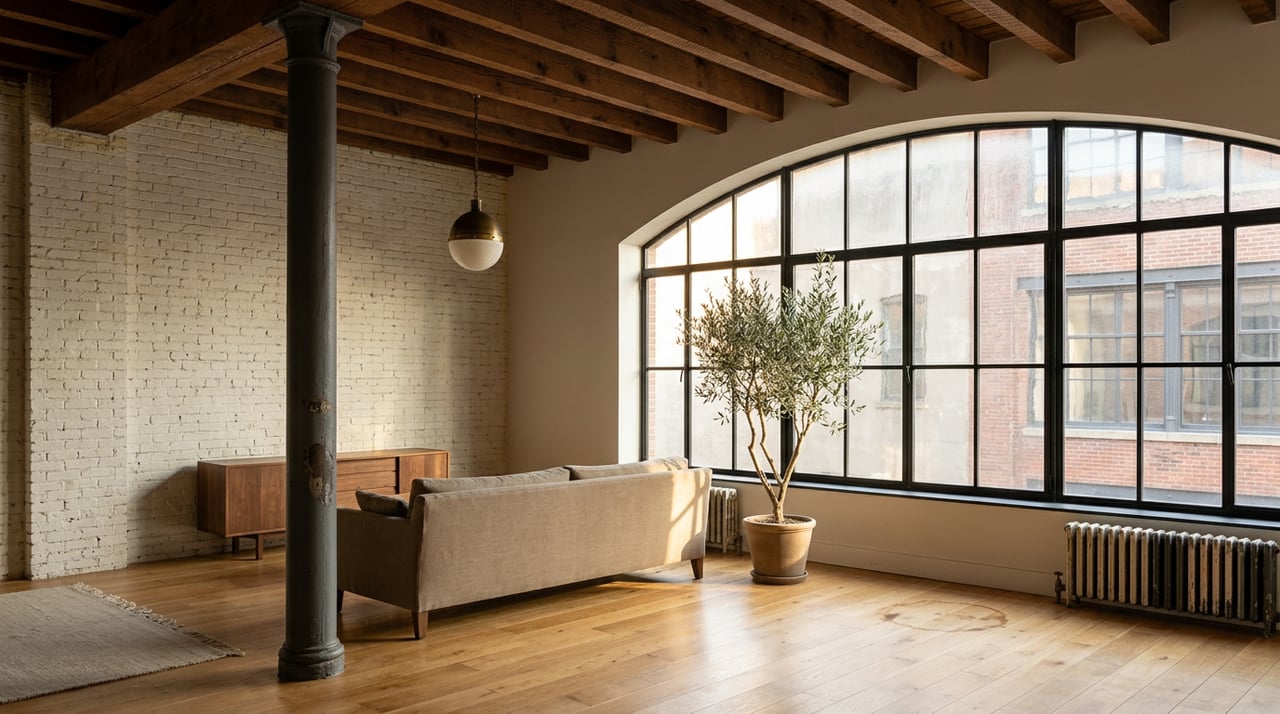
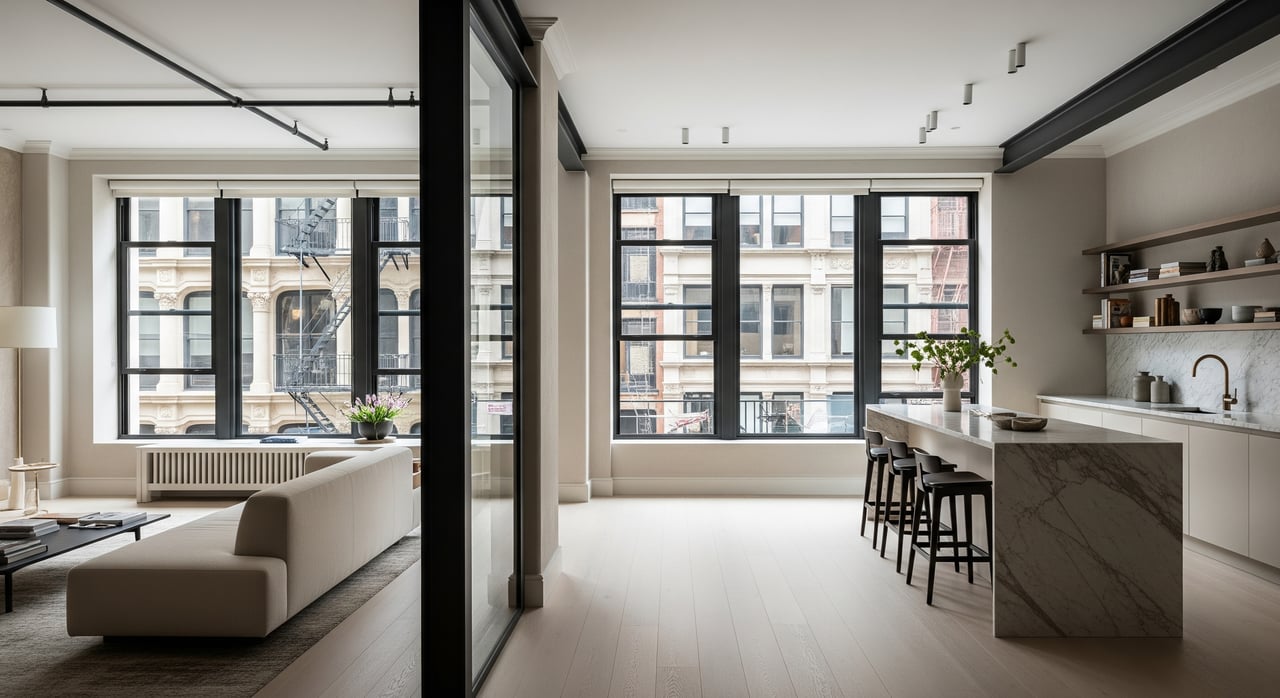
Lofts and converted buildings can be hard to value and underwrite. Unique layouts, high ceilings, and live/work histories mean more documentation and careful appraisal selection.
Comparable sales and valuation
- True loft comps can be scarce. Appraisers may need to use broader Manhattan comps or add adjustments for features like open plans or unusual fenestration.
- Lenders sometimes require a second appraisal or additional comparables, which can add time and cost.
Live/work use and certificates
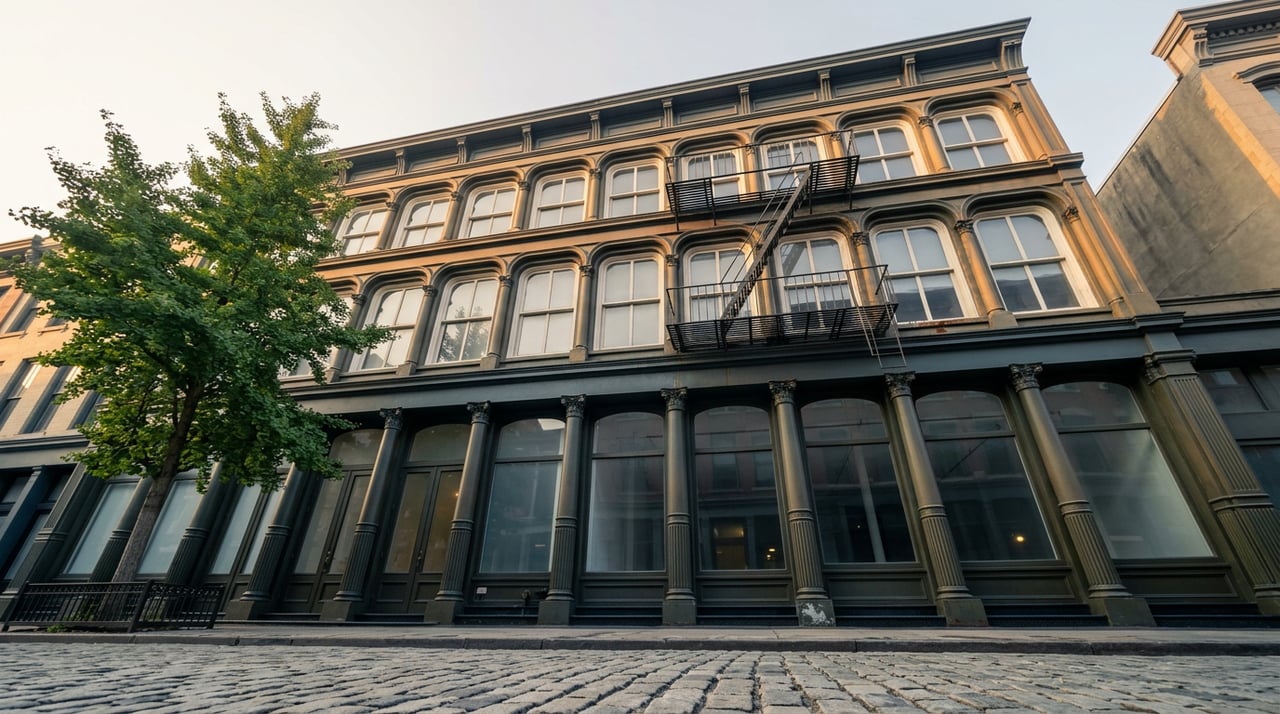
- Many SoHo lofts have a live/work history or originated from commercial use.
- Lenders often require proof that the unit is legally residential. Expect requests for the Certificate of Occupancy, offering plan, or approval letters that confirm permitted use.
- Active commercial use inside a unit can push the property into mixed‑use treatment, which may reduce available loan products or require larger down payments.
What appraisers and lenders may request
- A floor plan or sketch and detailed photos of unique features.
- Photos and data for comparable properties used in valuation.
- Copies of the CO, offering plan, or legal opinions related to use.
- Evidence supporting live/work classification where applicable.
Rates, products, and how pricing works
Jumbo rates move based on each lender’s risk appetite and market conditions. There is no single standard buyer for these loans, so shopping matters.
What drives your rate
- Loan amount, especially very large balances.
- LTV and down payment size.
- Credit score and credit history strength.
- Property type and project status, including non‑warrantable or mixed‑use.
- Documentation program choice and occupancy type.
Common jumbo products
- Fixed‑rate mortgages: 10, 15, or 30 year fixed for stability.
- ARMs: 3/5/7/10 year fixed periods, then adjustable; useful if you plan a shorter hold.
- Interest‑only options: available to qualified buyers; lower initial payments but higher long‑term risk and usually higher pricing.
- Portfolio or private bank loans: bespoke terms tied to your overall relationship and assets with the lender.
Ways to improve pricing
- Increase your down payment to lower LTV.
- Show strong liquid reserves and keep other debts low.
- Build a banking relationship and request multiple written term sheets.
- Lock strategically and schedule the appraisal early, especially for unique lofts.
Timeline and NYC closing costs
Jumbo approvals typically take longer than conforming loans. Plan ahead, especially if your loft has atypical features or legal questions.
- Preapproval or prequalification: 1-7 days once you submit documents.
- Full underwriting and appraisal: plan for 30-60 days. Unique lofts or live/work reviews can add days or weeks.
Budget for common costs in New York:
- State mansion tax at purchases of $1,000,000 and above, with higher tiers at very high price points.
- New York State and New York City transfer taxes and recording fees.
- Lender charges such as appraisal, underwriting, credit report, and processing.
- Title insurance and attorney fees. Co‑op board packages may also carry fees.
Step-by-step plan to get jumbo‑ready
- Get preapproved early. Share two years of tax returns and recent asset statements so the lender can outline LTV, reserves, and timing.
- Clarify legal use. For lofts or live/work spaces, obtain the CO and offering plan and involve your attorney before you sign a contract.
- Choose lenders with loft experience. Ask about non‑warrantable buildings, mixed‑use exposure, and reserve expectations.
- Compare term sheets. Review LTV, reserves, products, and lock options across at least two lenders.
- Prepare reserves. Aim for 6-12 months of PITI or more if the loan is large or the property is complex.
- Coordinate appraisal early. Provide floor plans and access to relevant building documents to avoid delays.
Common pitfalls to avoid
- Assuming one lender’s policy fits all jumbo loans.
- Overlooking live/work or CO issues until late in underwriting.
- Underestimating reserves or board package timing.
- Letting a rate lock expire because the appraisal or building review started too late.
When you are buying in SoHo, details matter. A clear plan around documentation, reserves, legal status, and appraisal support can save you time, money, and stress. If you want a team that understands lofts, board dynamics, and how to navigate jumbo underwriting in Manhattan, connect with the Falchiere Group to Schedule a Consultation.
FAQs
What makes a mortgage “jumbo” in Manhattan?
- Any first mortgage above the FHFA conforming loan limit for the county is a jumbo, and many SoHo purchases exceed that level.
How much in reserves do jumbo lenders require?
- Primary residences often need 6-12 months of PITI, and larger or more complex loans can require 12-24 months.
Do live/work SoHo lofts affect financing?
- Yes. Lenders often require proof of legal residential use, such as a Certificate of Occupancy or offering plan documentation.
Why are jumbo rates different from conforming rates?
- Jumbos are priced by individual lenders or private investors, so rates depend on loan size, LTV, credit, reserves, and property type.
How long does a jumbo loan take to close in NYC?
- Plan for 30-60 days after preapproval, with extra time for loft appraisals, legal reviews, or co‑op board approval.
Can I get a low down payment jumbo in SoHo?
- Some lenders offer high LTV jumbos, but they are rare and usually more expensive; larger down payments often get better pricing.