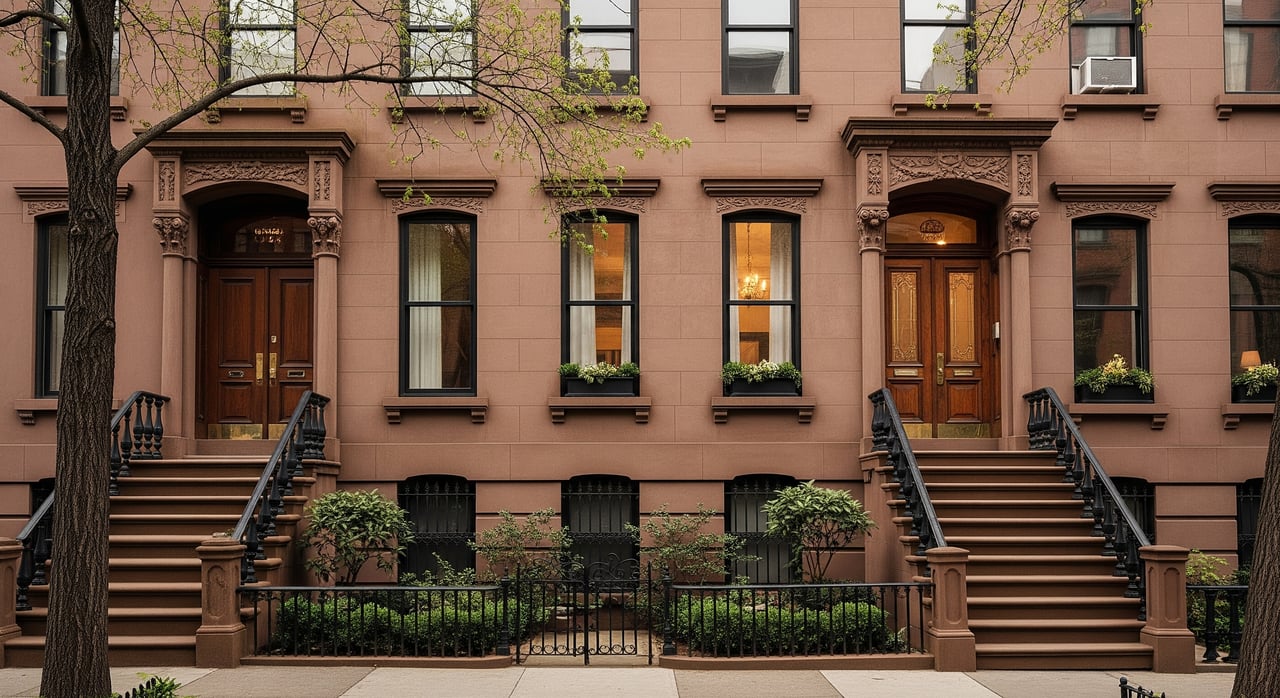
Thinking about selling your Brooklyn Heights brownstone but unsure where to start on price? You are not alone. In a landmarked neighborhood with limited inventory, small differences in width, layout, and documentation can swing value by six figures. This guide gives you a clear, practical pricing framework tailored to brownstones in Brooklyn Heights so you can set a confident number and justify it to buyers. Let’s dive in.
Brooklyn Heights pricing basics
Brooklyn Heights is one of New York City’s oldest and best preserved brownstone districts. The neighborhood’s historic designation shapes buyer expectations and renovation costs because most exterior work visible from the street requires review and approval by the Landmarks Preservation Commission. That regulatory layer influences both value and time to close.
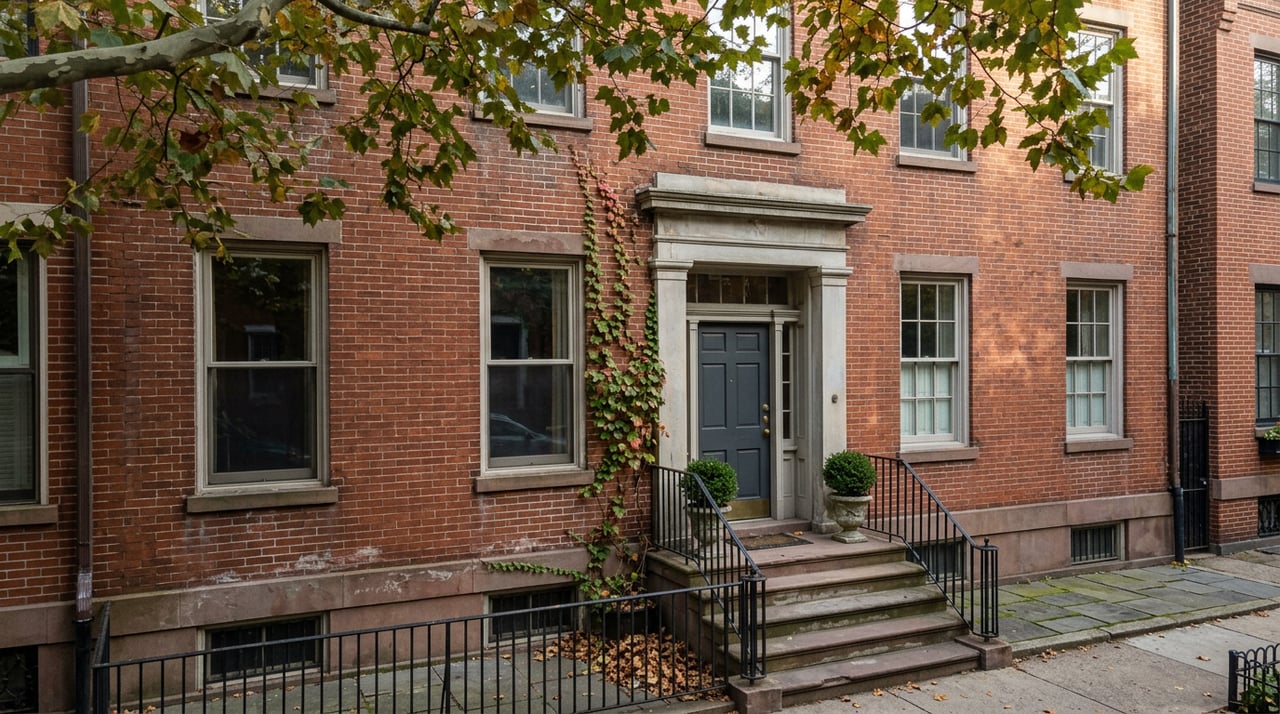
Supply is typically tight, and demand is strong from owner‑occupiers who want move‑in‑ready, historically sensitive homes with usable outdoor space. Rarity matters more than minor cosmetic upgrades. Wider frontages, intact and restored façades, legal roof decks, and functional gardens often command a premium. Typical houses are 4–5 stories with stoops, parlor and lower‑parlor levels, and cellars. Widths of 18–20 feet are common, while 22–25 feet and above are scarce and prized.
The takeaway: focus your price on the attributes that truly move buyers in this district, then back it up with the right comps and documentation.
Value drivers that move price
Width (frontage)
Frontage sets the canvas for everything else. Wider homes enable better room proportions, a more comfortable stair or corridor, and modern kitchens without sacrificing parlor volume. Because wider lots are scarce, they trade at a premium. Start your comp set with properties in the same frontage band and adjust from there.
Façade condition and landmark compliance
Curb appeal is more than aesthetics here. Spalling brownstone, failing cornices, or non‑historic window replacements signal future cost and LPC oversight to buyers. A restored, original façade with visible quality often supports top‑of‑market pricing. If exterior work was completed, clear records of LPC approvals help reduce risk and build confidence.
Garden and outdoor space
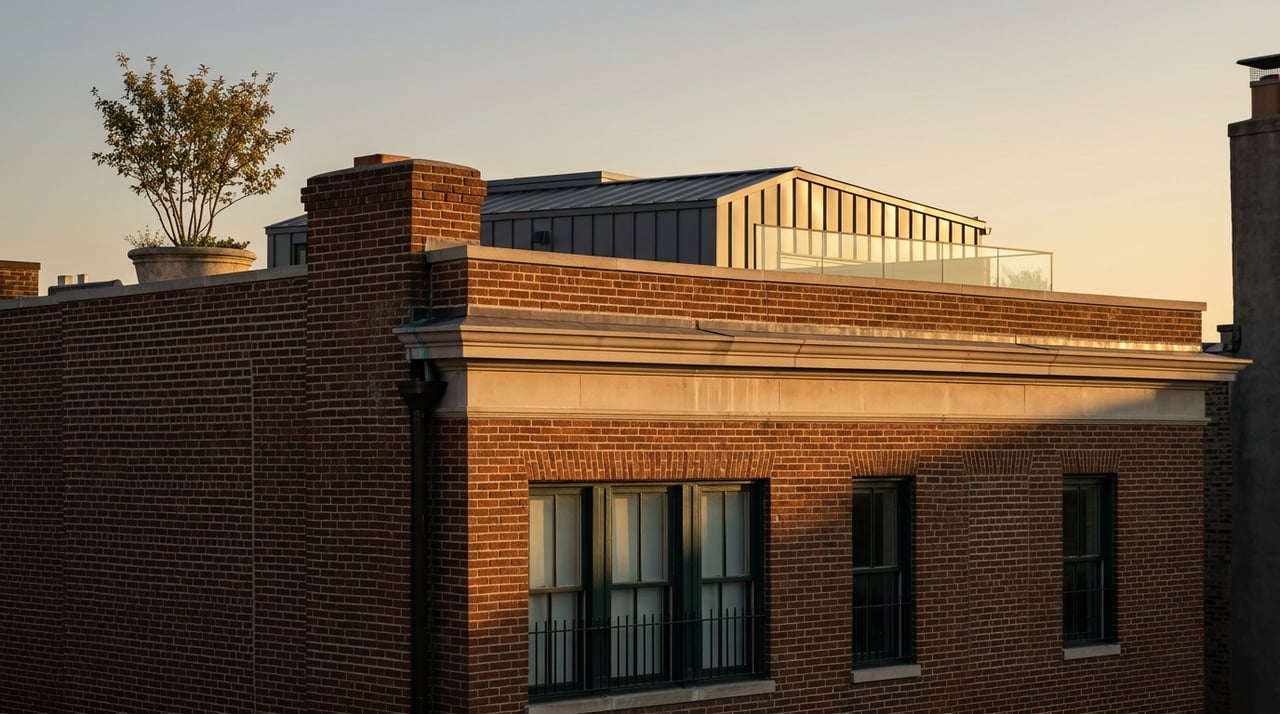
Private outdoor space is a major value lever. A level, landscaped rear garden that comfortably hosts dining or playtime will stand out. Legal roof decks and terraces add appeal, especially when permitted and well built. Unpermitted or questionable structures, however, can invite price pressure and delays.
Cellar and basement quality
A high‑ceiling, dry, and permitted cellar adds real utility as a family room, office, or rental component, depending on legal use. Damp or low‑ceiling basements with ad‑hoc finishes drag perceived value and limit usable square footage. Buyers also care about waterproofing, egress, and structural soundness. Legal status and permits matter.
Interior layout and flow
Modern buyers still love a classic parlor, but they want function. An open kitchen‑dining flow, multiple full baths, and flexible bedrooms are big selling points. A layout that reads as a single‑family with 3–5 bedrooms typically outperforms the same square footage divided into less flexible rentals, unless your buyer pool is investment‑focused.
Recent renovations and approvals
Permitted, documented work is worth more. Buyers discount for unpermitted renovations because of potential fines, remediation, and delays. Clean documentation for interior upgrades and any exterior changes supports higher pricing and smoother diligence.
Mechanicals, electrical, plumbing, and roof
New or well‑maintained systems reduce near‑term capital spend. The more you can disclose about ages, brands, and service records, the better. Roof condition and any roof work visible from the street should be clear and, if applicable, landmark‑approved.
Legal use, unit count, and zoning
Whether the home is legally single‑family or multi‑family affects taxes, financing, and buyer pools. Nonconforming unit counts or unclear certificates can shrink your audience and introduce lender friction. Clarify legal status before you list and price accordingly.
A step‑by‑step pricing framework
Step 1: Gather baseline facts
Collect the essentials before you look at comps.
- Lot dimensions and frontage in feet
- Total interior square footage and building FAR
- Legal unit count and current layout
- Bed and bath counts by floor
- DOB permit history and job filings
- LPC approval records for any visible exterior work
- Property tax assessment and past sales history
- Any prior appraisal or floor plans
Step 2: Select the right comparables
Use recent sales in Brooklyn Heights first. Only expand to adjacent landmarked areas if inventory is thin.
- Filter by frontage bands: same or similar width
- Match legal use: single‑family vs multi‑family
- Prioritize comps with similar outdoor space and cellar utility
- Compare renovation quality and documentation status
- Avoid mixing apartments with full townhouses in the same set
Step 3: Adjust for feature differences
Create a simple scoring or adjustment sheet. You do not need exact dollars upfront. Rank each comp against your home on the features that matter most.
- Condition: move‑in ready vs full rehab
- Outdoor space: usable garden, legal roof deck, terraces
- Cellar: finished and permitted vs unfinished or damp
- Compliance: documented DOB/LPC approvals vs unpermitted work
- Layout: single‑family utility vs chopped rentals
Your listing agent can translate these differences into market‑based adjustments once they assemble the comp set.
Step 4: Factor non‑physical realities
Market context matters. If you need a quick sale, price at a modest discount to draw early offers. If inventory is low and your home checks rare boxes like extra width, pristine façade, and a legal roof deck, you may justify pricing at or above recent comps. Properties needing complex approvals or heavy façade work should price conservatively.
Step 5: Prepare your documentation
A complete diligence package reduces buyer risk and supports your ask.
- DOB permit and sign‑off history
- LPC approvals for any exterior work
- Recent structural or façade inspection
- Waterproofing and cellar reports
- Mechanical service records
- Estimates for visible deferred maintenance
If a small, cost‑effective repair will remove an obvious objection, consider doing it pre‑listing. If not, provide clear estimates and price accordingly.
Step 6: Craft a pricing statement buyers can trust
Your listing should lead with the details that actually move price in Brooklyn Heights. Highlight frontage, outdoor spaces, cellar condition, layout, and a concise summary of approvals and permits. When buyers see risk reduced on paper, they lean in on price.
Regulatory issues that shape value
Landmark Commission rules
Brooklyn Heights is a designated historic district. Most exterior work visible from the street requires Landmarks approval. Expect standards for materials and design that preserve the district’s character. Unapproved exterior work can trigger delays, fines, or required remediation, which buyers will price into offers.
Department of Buildings and cellar conversions
Structural changes, gut renovations, conversions between unit counts, and many HVAC or plumbing upgrades need DOB permits. Cellars converted to living space must meet egress, ceiling height, and light and ventilation rules. Unpermitted finished basements are often treated as a liability and negotiated as a credit.
Taxes, assessments, and closing costs
Be aware of New York City transfer taxes and potential mansion tax on higher‑priced sales. Buyers will review property tax assessment trends, so have your history available and accurate.
Insurance and structural considerations
Signs of water intrusion, foundation movement, or cornice issues can impact insurability and financing. A recent inspection report helps establish transparency and protects value.
Pre‑listing checklist for sellers
Use this quick list to organize your pricing and marketing prep.
- Confirm legal unit count and status
- Measure and document interior square footage and frontage
- Retrieve DOB and LPC histories
- Order a structural and façade inspection
- Obtain cellar waterproofing or condition report if applicable
- Get estimates for any likely exterior repairs
- Decide what to remediate vs disclose with pricing
- Assemble photography, plans, and a renovation summary
- Commission a frontage‑segmented CMA and, if helpful, an appraisal
How to present your price
Lead with what drives value here: width, outdoor space, cellar utility, layout, and documented approvals. Provide a clear comp set segmented by frontage and legal use. Call out differentiators like a restored façade or a legal roof deck. Transparency wins in Brooklyn Heights because buyers pay premiums for low‑risk, compliant homes.
Ready to price with confidence, gather the right records, and position your brownstone for top‑tier offers? The team at Falchiere Group can prepare a frontage‑based CMA, advise on pre‑listing repairs, and help you navigate permits so you launch strong. Schedule a Consultation.
FAQs
How do I start pricing a Brooklyn Heights brownstone?
- Begin with frontage, legal unit count, documented permits and approvals, and a comp set from Brooklyn Heights segmented by width and use, then adjust for condition and outdoor space.
Does a wider brownstone always command a premium?
- Generally yes, because wider frontage is scarce and supports better layouts, but verify with local comps in the same width band before assuming a specific premium.
How much does façade work impact price in a landmark district?
- Visible deterioration and pending LPC‑regulated repairs increase buyer risk and cost, which often leads to discounted offers unless you provide clear inspections, approvals, and repair estimates.
Will a legal roof deck increase my sale price?
- A permitted, well‑built roof deck typically adds value, while an unpermitted deck introduces risk and may need removal or retroactive approvals that reduce offers.
How should I handle an unpermitted finished cellar when pricing?
- Disclose the status, include an estimate to legalize or remove, and price relative to comps with permitted cellars to reflect the cost and risk to the buyer.
Do I need to fix issues before listing or price around them?
- If a targeted, cost‑effective repair will remove an obvious objection, fix it; otherwise disclose reports and estimates and set price to account for the work while minimizing renegotiation risk.