Torn between the character of a prewar apartment and the simplicity of a postwar home in the West Village? You are not alone. Many buyers love the charm of tall ceilings and original details, but also want modern systems and fewer renovation headaches. This guide breaks down what actually changes by era in the West Village and how that affects light, layout, mechanicals, permitting, and your renovation path. Let’s dive in.
What prewar and postwar mean here
In New York real estate, “prewar” usually refers to buildings built before World War II, often before 1940. These homes tend to use traditional construction like masonry walls, heavy timber or dimensional lumber joists, plaster, and detailed trim. “Postwar” typically covers buildings built after WWII, including mid‑century and later concrete or steel structures with simpler finishes.
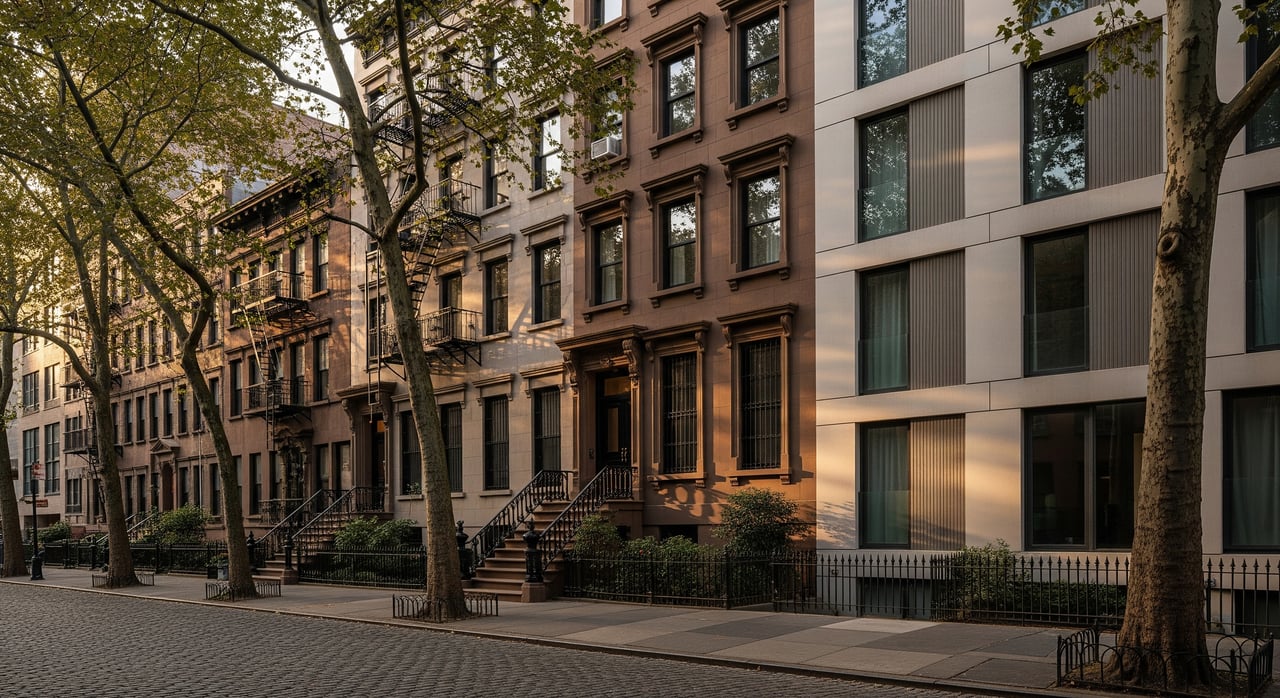
The West Village mixes late‑19th and early‑20th‑century townhouses and apartment buildings with postwar infill. Many blocks fall within local historic districts, so exterior changes may require review by the NYC Landmarks Preservation Commission. That status influences everything from window choices to timelines.
Space and ceiling height
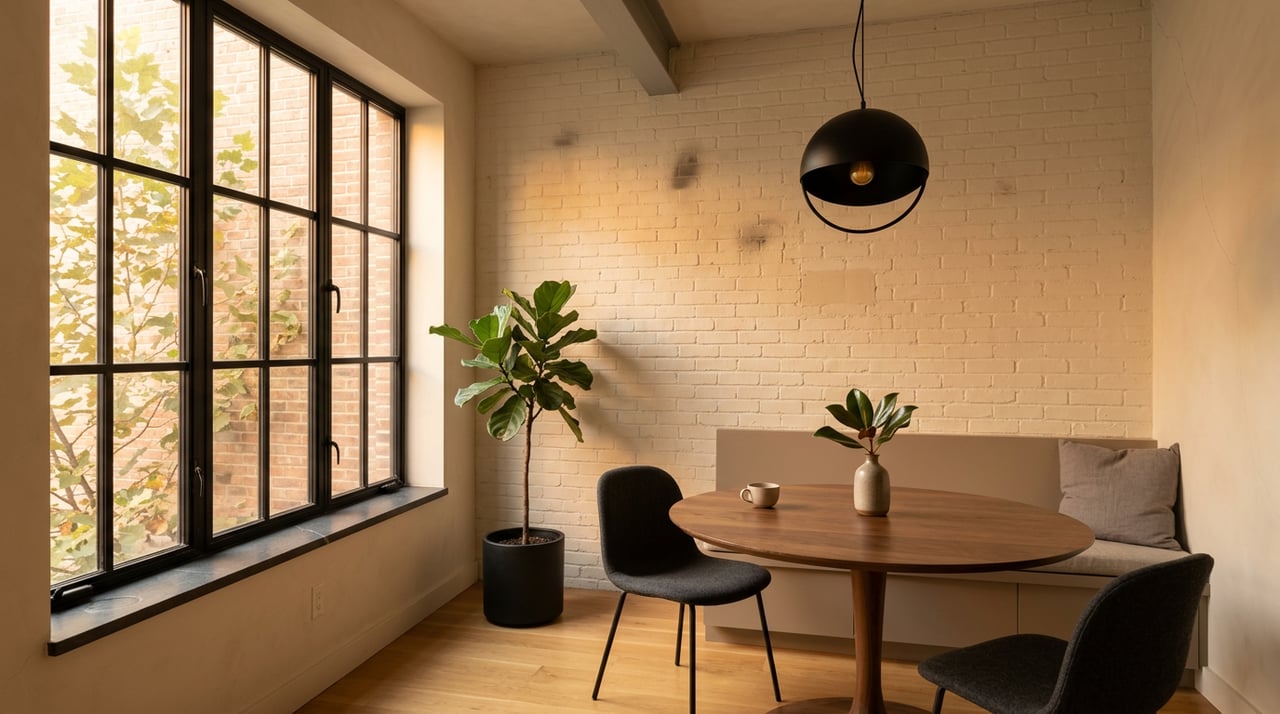
Prewar apartments often feel airier because ceilings commonly reach about 9 to 12 feet or more in select homes. You will also see taller doors and windows, plus moldings and millwork that add depth. That scale changes your lighting and HVAC options and even how a room reads in photos.
Postwar buildings often have ceilings around 8 to 9 feet. Many offer practical layouts and efficient planning, but with a flatter profile. Newer buildings can vary, yet most mid‑century and later towers prioritize function over ornament.
Windows and daylight
Prewar buildings often feature original wood, steel, or cast‑iron framed windows with double‑hung sashes or casements. Window openings are usually taller and can create a classic vertical rhythm. If you plan to improve comfort, repair and weatherstripping are common, and interior storm windows can boost performance. The National Park Service’s preservation briefs explain why repair is often preferred to replacement in historic settings.
Postwar windows tend to be simpler and sometimes smaller, with aluminum or vinyl frames and fewer decorative details. Some mid‑century designs use larger picture windows to maximize views.
If your building is in a historic district and the windows are visible from a public way, changing them typically requires review by the Landmarks Preservation Commission. Interior‑only changes not visible from the street are usually outside LPC’s jurisdiction.
Structure and layout potential
Prewar buildings often use load‑bearing masonry party walls with wood joists spanning between walls or beams. That means some walls you want to remove may be structural. Opening plans is possible, but it often requires engineered steel, careful shoring, and permits through the NYC Department of Buildings.
Postwar structures commonly rely on reinforced concrete slabs or steel frames with concrete floors. These systems change how you make openings and route services. Coring through concrete and adding structural support for larger openings are common steps. Sound transfer can differ as well. Concrete can be quieter between floors than older timber systems, but results vary by building and assembly.
Interior finishes and materials
Prewar interiors typically include plaster on wood lath, hardwood floors, original doors and hardware, and decorative moldings. Restoring plaster and period details often delivers a beautiful finish but calls for specialized trades.
Postwar interiors often use drywall with streamlined trim and built‑in closets. Renovations here may be more straightforward, especially when adding new systems, but with fewer historic details to preserve.
Electrical capacity and upgrades
Many prewar apartments were not designed for today’s electrical loads. You may see small service panels, older wiring, or two‑prong outlets. Adding central air, laundry, or high‑demand kitchen appliances often requires dedicated circuits and a panel upgrade. Feasibility can depend on building service capacity, riser availability, and board approval. Con Edison supplies residential power in NYC, and service parameters follow the National Electrical Code. You can review Con Edison’s residential service info and the NFPA’s overview of the NEC to understand the framework.
Postwar buildings are more likely to have modernized risers and panels, but do not assume. Always ask about the panel’s amperage, past upgrades, and building capacity before you plan a renovation.
Plumbing, hot water, and HVAC
Prewar plumbing systems may include cast iron waste stacks and older galvanized supply lines. Re‑piping can be a building‑level project, and scheduling shutdowns is a coordination point in co‑ops and condos. Postwar buildings more often use copper supply lines and modern sanitary systems, though age still matters.
Heating in older buildings is often steam or hot water radiators. Many owners use window or through‑wall AC, and more are adding ductless split systems. If outdoor units or linesets are visible from the street in a historic district, you may need LPC review. Postwar buildings are more likely to allow forced air or have central systems planned from the start.
Hazardous materials to consider
If you renovate a prewar home, you may encounter lead paint or asbestos in certain materials. Work that disturbs these requires specific handling under federal, state, and city rules. Review the EPA’s guidance on the Renovation, Repair and Painting rule for lead and general asbestos information. Many buyers choose to test before closing so they can plan scope and cost.
Landmark and permitting in the West Village
The West Village includes several historic districts where LPC governs changes visible from a public way. Typical exterior work that triggers LPC review includes window replacements, stoops, cornices, and storefronts. You can start with the LPC’s website to learn about designation and permitting paths.
Most structural changes, electrical service upgrades, plumbing work, and major interior renovations require permits through the Department of Buildings. For taller masonry buildings, façade conditions are also addressed through the city’s Façade Inspection and Safety Program. LPC and DOB reviews can add weeks to months to a project timeline depending on scope.
Typical renovation scopes to plan
- Windows: In landmark contexts, repair is often preferred. Interior storms and weatherstripping can improve comfort while preserving character.
- Electrical: Add dedicated kitchen circuits, HVAC feeds, and possibly a modern breaker panel. Confirm building capacity and approvals early.
- Structure: Prewar wall removals may need steel and shoring. Postwar slabs may need coring and specialized engineering.
- Plaster vs drywall: Plaster restoration preserves detail but often costs more. Many owners blend both for efficiency.
- Hazard mitigation: If testing confirms lead or asbestos, plan for licensed abatement and proper sequencing.
- Sound control: Consider resilient channels, underlayment, or floated floors tailored to the building’s structure.
Who tends to favor each era
If you value period character, you may prefer prewar homes. You will get tall ceilings, moldings, original windows, and classic proportions. Be ready for more careful planning around electrical capacity, window preservation, and potential LPC steps.
If you want easier mechanical upgrades, you may favor postwar homes. You might see more regular layouts and systems designed for modern needs. The tradeoff is less ornament and often slightly lower ceilings.
Questions to ask on a tour
- Is the building or façade inside a historic district, and how will that affect windows or exterior work? Confirm with the LPC.
- What is the unit’s electrical panel size and the building’s service capacity? When was the last significant upgrade?
- Have windows been replaced before, and were LPC approvals obtained if required?
- What is the heating and hot water setup, and does the building plan any riser or boiler projects?
- Has the home been tested for lead paint or asbestos? Are there recent reports you can review?
- What are the co‑op or condo rules and timelines for renovations and contractor access?
How to move forward with confidence
Start with a clear wish list and a realistic scope. Confirm the building’s landmark status, get a sense of electrical and structural capacity, and loop in the right professionals early. An architect experienced with LPC, a structural engineer, and licensed trades can save months and prevent surprises. The right plan lets you enjoy West Village charm or postwar ease without unnecessary delays.
If you are ready to compare specific West Village listings or want a renovation‑aware strategy, connect with Falchiere Group. Our team pairs brokerage expertise with hands‑on renovation and construction management so you can buy smart and execute with clarity.
FAQs
Do I need approval to replace windows in a West Village landmark building?
- If your building is in a historic district and the windows are visible from a public way, the NYC Landmarks Preservation Commission typically must review the change.
Can I remove walls to create an open plan in a prewar West Village apartment?
- Possibly, but many walls are load‑bearing or carry joists; you will need an engineer and permits from the NYC Department of Buildings.
How hard is it to upgrade electrical service in an older NYC co‑op?
- It is common, but feasibility depends on building service capacity, riser space, and board approval; a licensed electrician can assess after a site visit.
What should I know about lead paint and asbestos in prewar NYC homes?
- Older finishes may contain lead or asbestos; testing and, if needed, certified abatement are required when work will disturb those materials under EPA rules.
Are prewar West Village apartments less energy efficient than postwar homes?
- Often yes due to older single‑pane windows and uninsulated cavities, though repairs, storm windows, and mechanical upgrades can improve performance in many cases.