If you own a co-op in Gramercy Park, you already know your home offers something rare. The private park key, green views, elegant prewar details, and a well-run board can all influence what a buyer is willing to pay. Yet many of these qualities are hard for a traditional appraisal to capture. In this guide, you’ll learn how to document and show the value of those premiums so you can sell or refinance with confidence. Let’s dive in.
Why Gramercy Park commands premiums
Gramercy Park is defined by scarcity. Very few buildings ring a private, landscaped park, and even fewer units have direct exposure to it. In a market like Manhattan, rare and differentiated homes tend to hold their value even when broader conditions soften. That is why buyers often step up for truly unique Gramercy co-ops.
Private park key access
- Why it matters: A private park key signals exclusivity, tranquility, and an elevated lifestyle that you cannot easily replicate elsewhere in 10003. It can also mean quieter streets and a greener immediate environment.
- Appraisal gap: Appraisers do make location and amenity adjustments, but if there are not many recent park-key comps, the premium may be understated.
- What to show: Track recent sales inside the park perimeter versus nearby blocks without key access. Use price per square foot and days on market as reference points, and supplement with evidence of buyer competition.
Park-facing exposures and views
- Why it matters: Direct, unobstructed park views add natural light, visual relief, and perceived privacy. Frontage and height above trees or rooftops can amplify this effect.
- Appraisal gap: View adjustments vary by appraiser and by the strength of comparable sales. Rare, high-quality exposures can be difficult to quantify.
- What to show: Provide photos that clearly capture the view plane. Note floor level, orientation, and any obstruction above or below the window line.
Floor and line desirability
- Why it matters: In prewar buildings, specific lines often offer better proportions, windows, or corner exposures. Higher floors typically deliver more light, less street noise, and wider vistas.
- Appraisal gap: Adjustments for floor or line exist, but true park-facing corners or through-apartments are scarce. Limited comps can mask the premium.
- What to show: Compare price per square foot by floor band and highlight past sales from the same line. If time on market differs by line, note that as well.
Ceiling heights and architectural volume
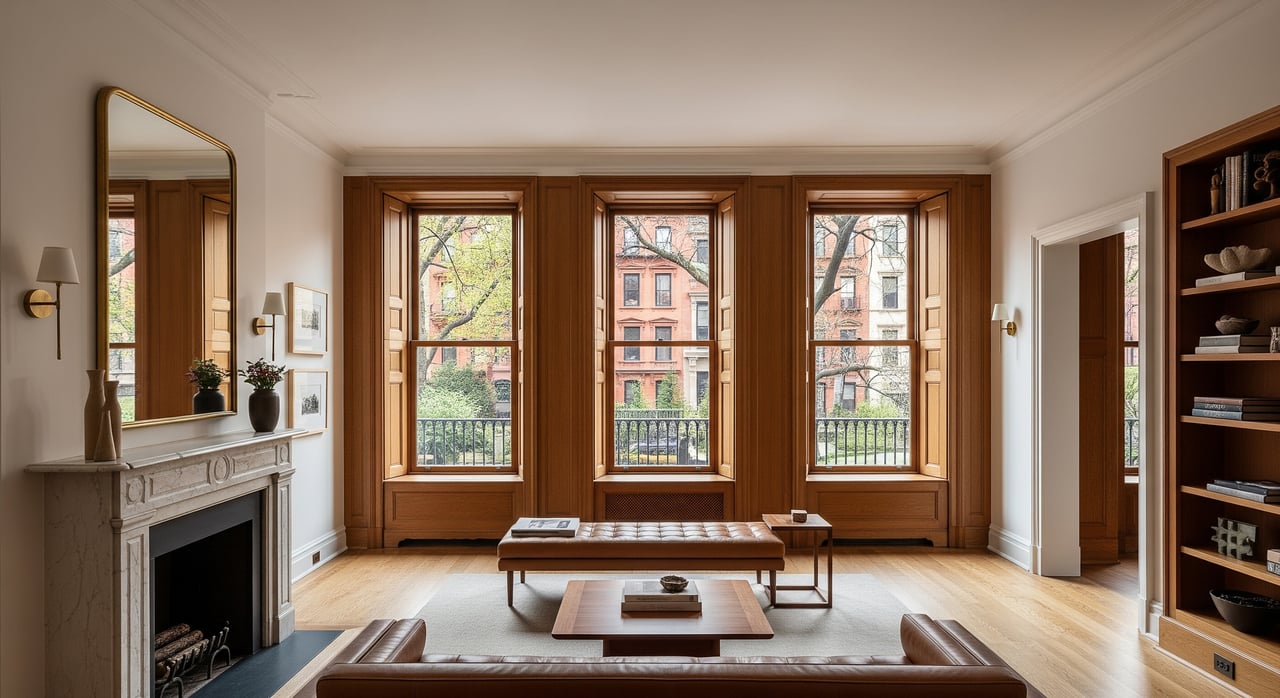
- Why it matters: Tall ceilings improve daylight penetration and create a larger sense of volume. Prewar 10 to 12 foot heights are especially prized in Gramercy and pair well with original details.
- Appraisal gap: Ceiling height is often treated as condition or functional utility. Without clear comps, appraisers may not apply the full market premium.
- What to show: Include measured ceiling heights on plans, highlight window heights, and cite sales where ceiling height was clearly marketed.
Board governance and building financial health
- Why it matters: Buyers value stable, transparent governance. Strong reserves, predictable maintenance, and clear policies reduce perceived risk for both buyers and lenders.
- Appraisal gap: Appraisers do not assign a dollar value to board reputation. The effect shows up indirectly through pricing and the size of the buyer pool.
- What to show: Provide maintenance trends, reserve balances, underlying mortgage details, and a concise summary of policies such as subletting, investor caps, and flip taxes.
Light, layout, and tasteful updates
- Why it matters: Abundant natural light, efficient floor plans, and well-executed renovations reduce buyer risk and renovation timelines. Neutral, high-quality finishes that respect prewar character tend to have broader appeal.
- Appraisal gap: If updated units are rare, the appraiser may struggle to find direct comps. The result can be a conservative adjustment.
- What to show: Document renovation dates, permits, materials, and mechanical upgrades. Provide before and after photos to demonstrate true functional improvement.
Other building and block factors
- Amenities: Doorman, elevator, storage, and bike rooms can broaden the buyer pool.
- Floor plan uniqueness: Larger rooms, flexible second bedrooms, or through-flow layouts can be decisive.
- Original details: Moldings, fireplaces, and casement windows attract a dedicated subset of buyers.
- Micro-location: Proximity to park gates, block noise, and adjacent building massing all influence demand.
How appraisals handle these factors
Appraisals rely on comparable sales. That structure works well when there are many recent, similar sales. In Gramercy Park, the very qualities that make your co-op valuable can also make it hard to comp. The result is often a conservative appraisal relative to what motivated buyers will pay.
Comparable-sales limits in 10003
- Rarity creates gaps. A high-floor, park-facing corner with 11 foot ceilings may have no close comp in the last year.
- Appraisers adjust, but cautiously. Without clean paired sales, dollar adjustments for views, volume, and park key access can be limited.
- Timing matters. If the market is firming and comps are older, the appraisal may lag current buyer sentiment.
Lender and co-op considerations
- Lenders look at building financials, reserve strength, and board policies. Conservative underwriting can narrow financing options, which affects demand.
- Refinances can face stricter scrutiny than purchases. A shortfall in appraised value can alter loan terms or equity requirements.
- Board rules influence liquidity. Clear, predictable policies tend to support value by giving buyers and lenders confidence.
When buyers pay above appraisal
- Competitive situations happen. Cash buyers or financed buyers willing to bridge the appraisal gap may push prices above appraised value.
- Market reaction is real value. Multiple bids and fast sales reflect willingness to pay for attributes that a form report may underweight.
- Narrative counts. The more clearly you demonstrate rarity and demand, the better chance you have of aligning price with the market rather than the appraisal.
Steps to capture your premium
You can increase your odds of realizing full value by preparing the right documents, telling a clear story, and coordinating with both your agent and the appraiser.
Documents and data to gather
Create a concise package that answers buyer, lender, and appraiser questions upfront:
- Building documents: Proprietary lease, offering plan, house rules, recent board minutes or a summary of policy changes, and the application checklist.
- Financials: Current budget, multi-year maintenance trend, reserve balance, underlying mortgage balance, and recent audited statements or CPA reviews.
- Unit specifics: Floor plan, dimensions, measured ceiling heights, high-quality photos of views and light, and a list of renovations with dates and permits.
- Policies and costs: Flip tax, transfer and approval fees, sublet policy, and any investor caps.
- Comparable sales: Recent sales in your building and on the park. Separate park-facing from non-park comps to make the premium visible.
Prep your unit and narrative
- Lead with what is rare. Put park key access, direct views, ceiling height, and light in the first lines of your marketing materials.
- Show, do not tell. Use dimensioned plans, measured heights, and clearly framed view photos to make key features obvious at a glance.
- Document updates. Provide a one-page summary of improvements, including mechanicals. Neutral, quality finishes help buyers feel confident.
- Summarize building health. A simple one-page fact sheet with reserves, maintenance history, and policy clarity helps both buyers and appraisers.
Support the appraiser
- Share a comp pack. Include any directly comparable park-facing sales and note line, floor, and ceiling height where known.
- Provide demand evidence. Redact personal details, but summarize offers, showing volume, or pre-emptive bid activity if it occurred.
- Be responsive. Make building financials and policy summaries available quickly so the appraiser can complete a thorough analysis.
Pricing and offer strategy
- Balance comps and scarcity. Price against supportable sales while leaving room for competition when unique features justify it.
- Plan for appraisal gaps. Consider escalation language and discuss how buyers will handle a short appraisal if multiple offers are likely.
- Market to the right audience. Emphasize lifestyle and heritage details to lifestyle buyers, and governance and financials to data-driven buyers.
Refinance planning
- Engage early with lenders familiar with Manhattan co-ops. Experience reduces surprises around board policies and building financials.
- Prepare for conservative values. If you rely on a specific valuation threshold, have a backup plan if the appraisal lands short.
- Present the same narrative. Provide the appraiser with the same documentation you would use for a sale to make the premium visible.
Timeline and logistics
- Build board approval timing into your schedule. A clean, complete package can help shorten the process.
- For refinances, confirm the lender’s co-op checklist. Having financials ready can save weeks.
- Coordinate access. Ensure smooth access for appraisers, inspectors, and photographers to avoid delays.
Real-world scenarios to consider
Park-key premium with limited comps. Your unit faces the park on a mid to high floor with great light, but there are few recent sales from similar lines. The appraisal may lean on non-park comps and apply a modest adjustment. By providing measured ceiling heights, view photography, and a comp pack showing higher price per square foot for park-facing lines, you help the appraiser justify a stronger value.
Tasteful renovation versus over-customization. You updated the kitchen and baths with quality, neutral finishes and improved storage, while preserving moldings and proportion. Buyers respond quickly and bid up because they can move in without a major renovation. If direct comps are thin, the appraiser may still apply a conservative condition adjustment. Your detailed renovation summary and before and after photos help demonstrate market appeal.
Strong board, stronger demand. Your building has a clear sublet policy, predictable approvals, and solid reserves. Buyers and lenders view this as lower risk, which broadens the buyer pool. While the appraisal may not explicitly price a “good board,” you can show the effect through faster sales velocity and stable maintenance history.
What matters most when you sell
In Gramercy Park, buyers assign real value to private park access, direct views, ceiling height, light, and the confidence that comes with a well-governed building. Appraisals are important, especially when financing is involved, but they are only one lens on value. Your job is to make the rare and desirable attributes impossible to miss and easy to support.
If you are weighing a sale or refinance in 10003 and want a clear plan to document premiums, position your unit, and navigate appraisal dynamics, we can help. Schedule a Consultation with the Falchiere Group to align pricing, marketing, and execution for a result that reflects the full value of your home.
FAQs
How do park-key privileges affect Gramercy co-op value?
- The private park key is a scarce amenity that supports a premium. Appraisals adjust for location and amenities, but limited comps can understate the market’s willingness to pay.
Do direct park views always command higher prices in 10003?
- Generally yes, but the premium depends on floor height, orientation, and obstructions. Clear view photography and comparable park-facing sales help quantify it.
Can ceiling height and prewar volume raise appraised value?
- Tall ceilings increase desirability and perceived space. Appraisers may adjust for condition and utility, and measured heights plus comps that note volume strengthen the case.
How does a co-op board’s reputation influence pricing?
- A stable, transparent board with solid financials reduces buyer and lender risk, which can support higher prices. The effect is often reflected indirectly through faster sales and broader demand.
What should I include in an appraisal and buyer comp pack?
- Provide building financials, maintenance trends, policy summaries, floor plans with measured ceiling heights, renovation documentation, and park-facing comps by line and floor.
How can I handle an appraisal gap during a Gramercy sale?
- Discuss appraisal contingency terms early, consider escalation language, and target buyers willing to cover a short appraisal when your unit’s rarity supports competitive bidding.