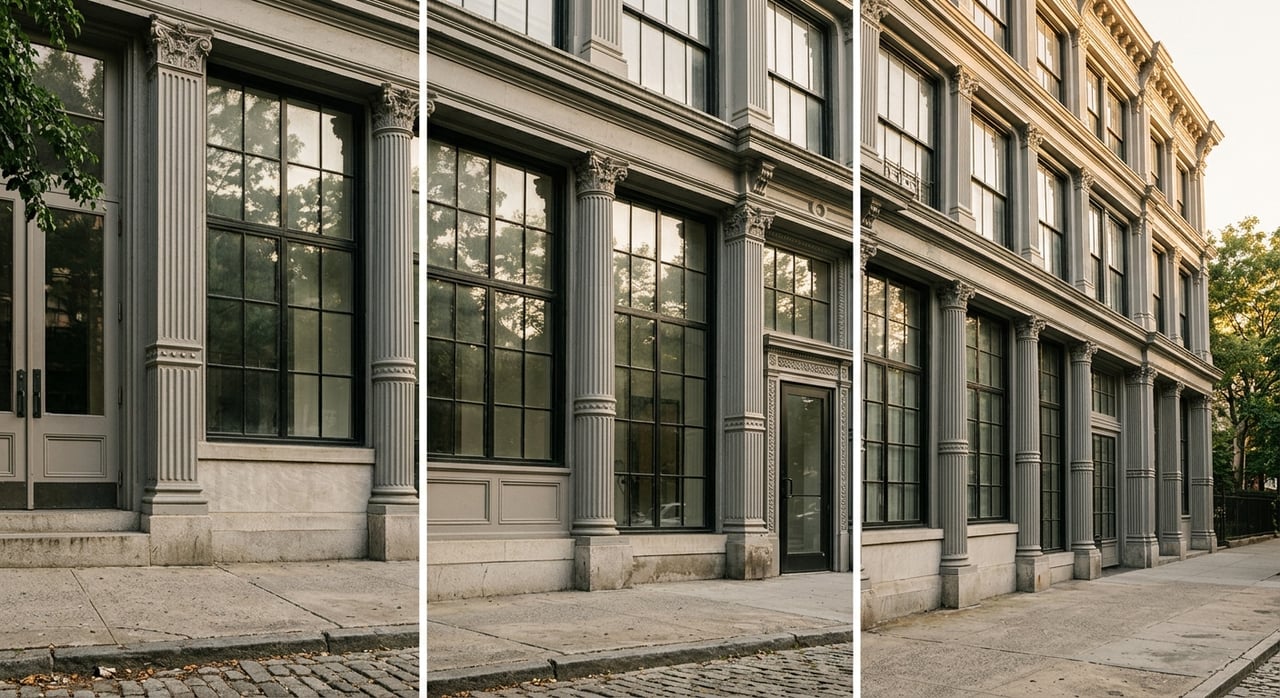
If you are choosing between SoHo and the West Village, you are not just picking an address. You are choosing how your daily life will feel, what kind of home you want to own, and how much complexity you are willing to take on in a historic downtown setting. The good news is that both neighborhoods offer distinct advantages, and once you understand the difference in housing stock, street character, and ownership considerations, the decision becomes much clearer. Let’s dive in.
SoHo vs West Village at a Glance
At a high level, SoHo and the West Village serve different priorities. SoHo is more loft-driven, retail-centered, and shaped by its cast-iron commercial history. The West Village is more low-rise, residential in feel, and defined by row houses, irregular streets, and a long-established historic fabric.
That does not make one better than the other. It means your best fit depends on whether you want your home to feel more connected to a high-energy downtown commercial corridor or a quieter historic village setting.
SoHo: Loft Living and Retail Energy
SoHo housing stock
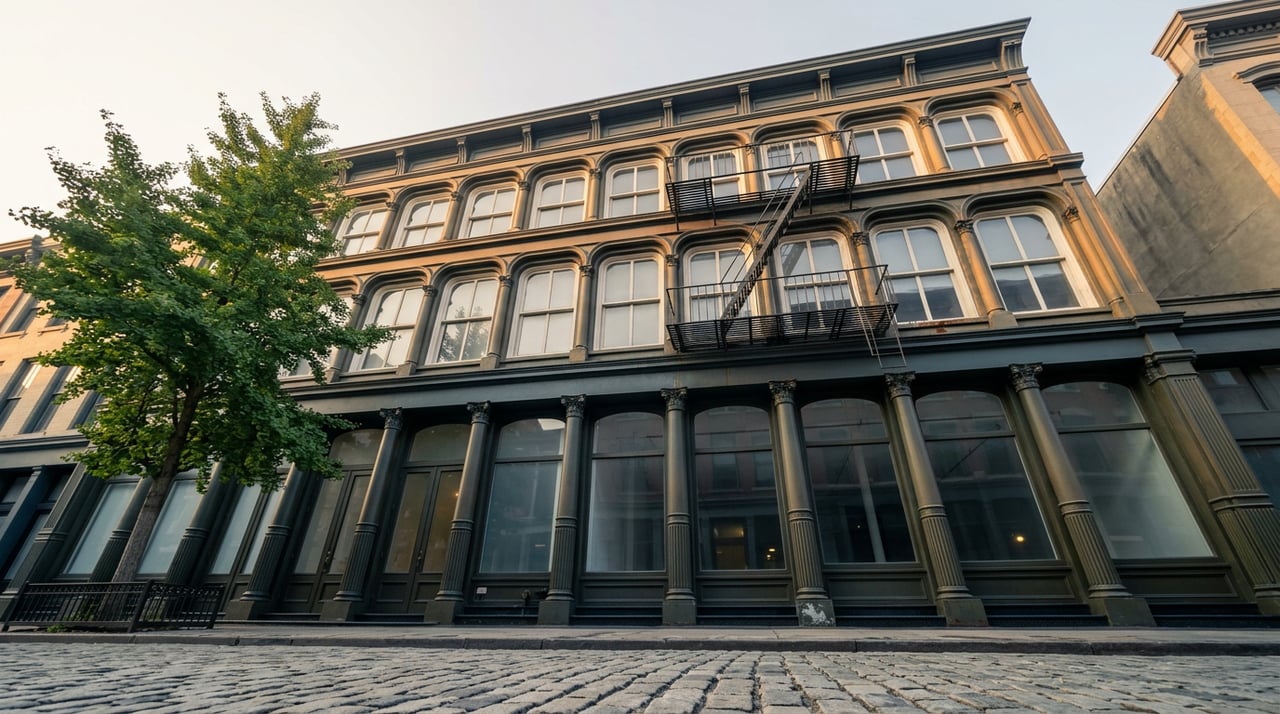
SoHo is known for cast-iron storefronts and loft buildings. According to the New York City Landmarks Preservation Commission, the neighborhood developed through large stores, factories, and loft structures tied to mercantile and dry-goods trade, and that built form still shapes the area today.
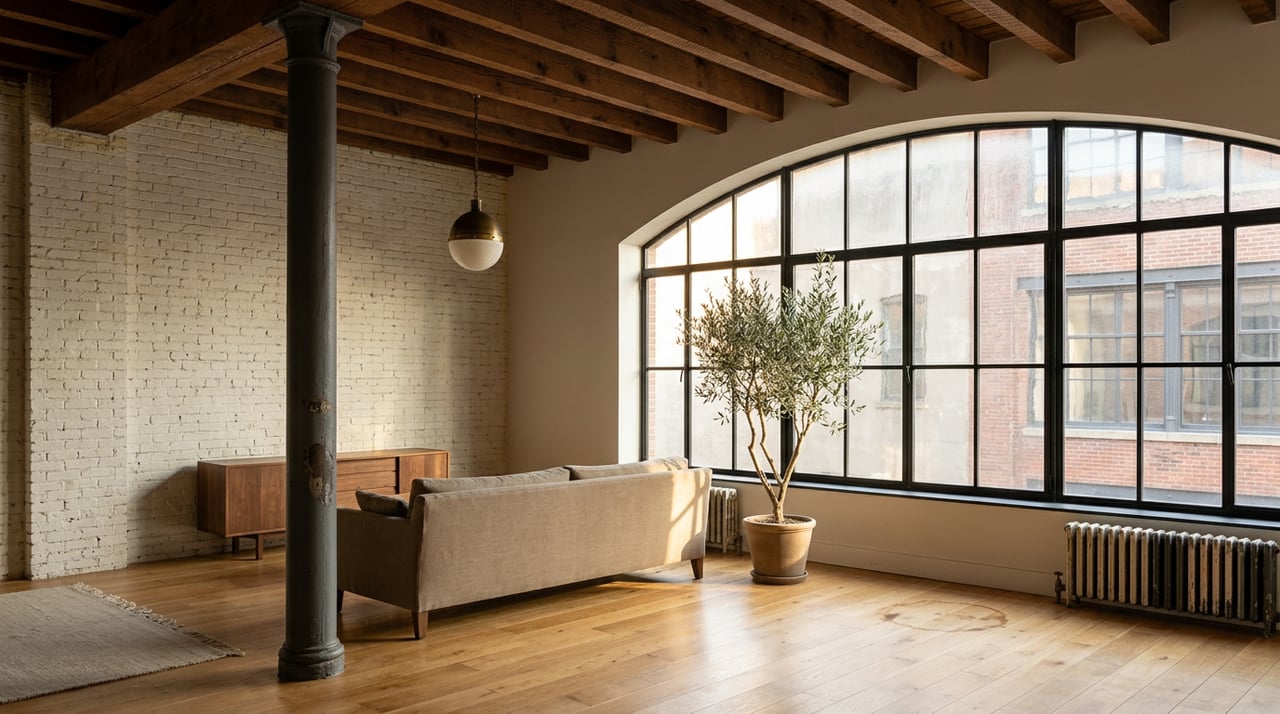
For you as a buyer, that usually means looking at loft-style homes, adaptive reuse properties, and condo or co-op conversions rather than classic townhouse living. If you value volume, tall ceilings, large windows, and a distinctly industrial downtown look, SoHo often delivers that in a way few Manhattan neighborhoods can.
SoHo street life
SoHo reads as an active mixed-use district. The SoHo Broadway district describes the area as home to residents, office users, and major retailers sharing the same streets, which creates a high-traffic, highly visible urban environment.
That energy is part of the appeal. If you like stepping outside into a neighborhood with strong foot traffic, destination shopping, and a creative commercial identity, SoHo offers that kind of momentum.
SoHo daily convenience
From a practical standpoint, SoHo is built for movement. The SoHo Broadway district reports 111,183 subway riders per day and 87% retail occupancy as of September 2025, which supports its reputation as a highly activated retail spine.
For errands and day-to-day convenience, that often means a dense concentration of shops and services close at hand. If you want an environment where retail is part of your routine and the streets feel active throughout the day, SoHo tends to check that box.
West Village: Historic Scale and Residential Feel
West Village housing stock
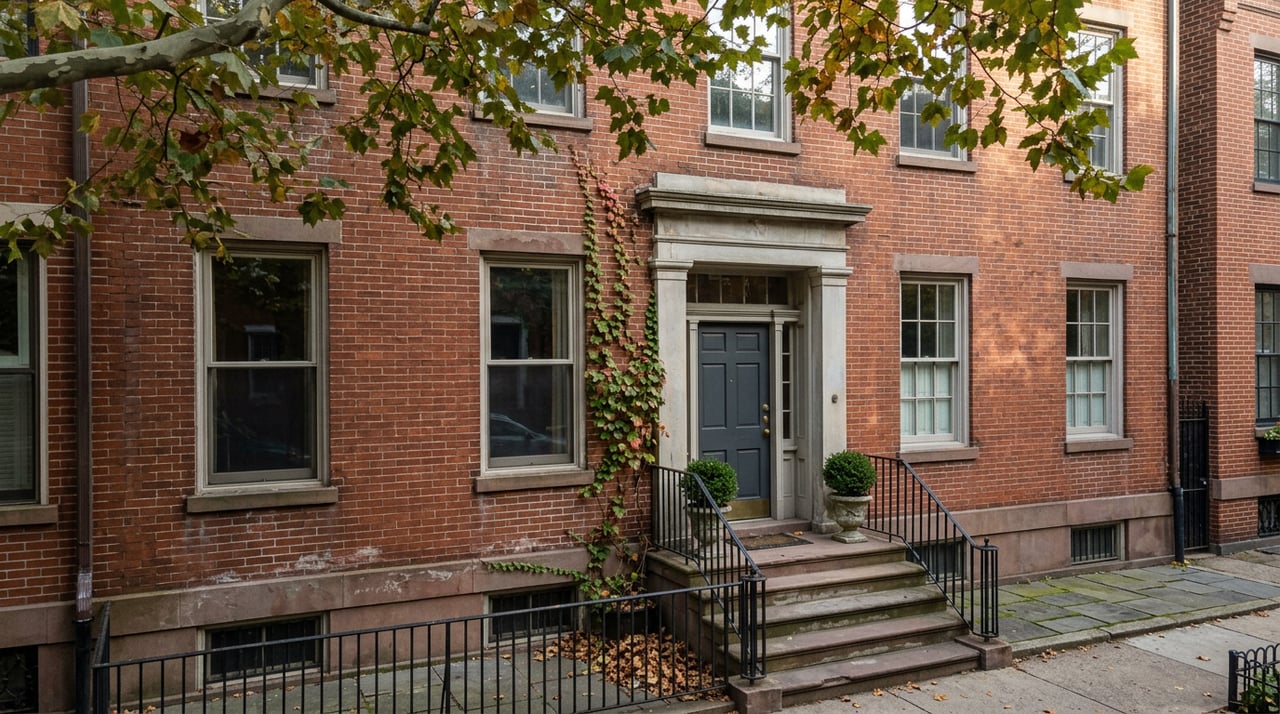
The West Village side of this comparison is more rooted in row houses, townhouses, and lower-rise residential buildings. The Landmarks Preservation Commission's Greenwich Village Historic District Extension describes early 19th-century row houses, later conversions into multiple dwellings, and the addition of tenements and apartment buildings after the Civil War.
For you, that often translates into homes with a more intimate scale and a more traditional residential feel. If your idea of downtown living leans toward townhouse blocks, smaller buildings, and historic streets rather than loft volume, the West Village may feel more aligned.
West Village street pattern
One of the biggest lifestyle differences is the street layout. The National Park Service notes that streets west of Sixth Avenue follow an older 18th-century pattern, with narrow streets and angles that differ from Manhattan’s more regular grid.
That irregular pattern gives the neighborhood a distinct rhythm. In everyday terms, it can feel more tucked in, more local, and less dominated by major retail corridors.
West Village daily routines
The West Village and broader Village commercial ecosystem tend to feel more neighborhood-serving. Village Alliance highlights a mix of books and stationery, provisions, artisanal foods, fitness studios, cocktail bars, and off-Broadway institutions within the surrounding area.
Christopher Park also remains one of the few public open spaces serving Greenwich Village west of Sixth Avenue, according to the National Park Service. If your ideal routine includes cafes, small shops, local institutions, and nearby open space, the West Village often supports that pattern well.
How Ownership Feels Different
Choosing the right home type
The clearest ownership difference comes down to the type of property you want. In SoHo, the conversation often centers on loft architecture, live-work history, and converted buildings. In the West Village, the conversation more often turns to row-house scale, townhouse character, and lower-rise apartment living.
That difference affects more than aesthetics. It can shape everything from layout and privacy to renovation scope and how you use the home over time.
SoHo live-work rules matter
If you are considering SoHo, use classification is important early in the search. In SoHo NoHo’s M1-MA and M1-MB districts, working-artist certification is required to qualify for joint living-working space, so live-work questions should be clarified before you move too far into due diligence.
This is one of those details that can materially affect your buying decision. A loft may look ideal on paper, but the property’s permitted use and building rules should match how you plan to occupy it.
Landmark rules affect both neighborhoods
Both neighborhoods sit within landmarked areas, and that has real ownership implications. The Landmarks Preservation Commission states that exterior work on designated properties requires prior approval, and if a project does not fit standard rules, a Certificate of Appropriateness can take about three months.
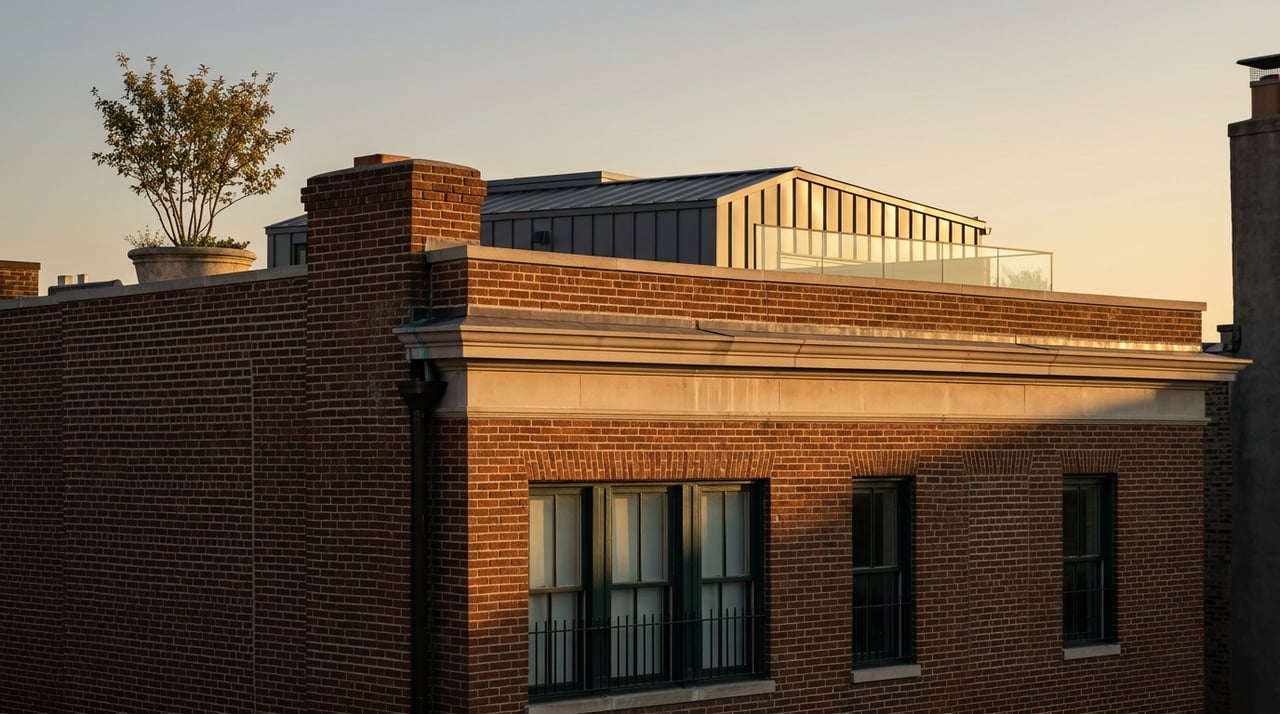
That matters whether you are buying a cast-iron loft in SoHo or a townhouse-scale property in the West Village. Landmark status can affect renovation timing, design flexibility, and project planning, so it is smart to evaluate those factors early.
Which Lifestyle Fits You Best?
Choose SoHo if you want:
- Loft architecture and cast-iron character
- A stronger connection to retail and commercial activity
- A home that feels integrated into a highly visible downtown corridor
- The possibility of adaptive-reuse style ownership
SoHo tends to work well if you see your home as both a residence and part of a larger downtown experience. It is especially compelling if architectural volume and a high-energy street scene matter more to you than a quiet, low-rise setting.
Choose the West Village if you want:
- Lower-rise historic surroundings
- Row-house or townhouse-oriented streetscapes
- A more residential atmosphere
- Daily routines centered on local shops, cafes, and open space
The West Village tends to appeal to buyers who want downtown access without feeling immersed in a retail-first environment. If intimacy, historic scale, and neighborhood rhythm matter most, this side of the comparison often stands out.
A Smarter Way to Decide
The best question is not whether SoHo or the West Village is better. The better question is how you want your everyday life to function once you own there.
If you want your home to feel tied to a downtown commercial corridor with loft character and constant activity, SoHo is likely the stronger fit. If you want a historic residential village feel with lower-rise streets and a more tucked-away rhythm, the West Village may be the better match.
For many buyers, the right decision also comes down to property type, renovation goals, and how much regulatory complexity you are prepared to manage. That is where experienced guidance can save you time and help you focus on the opportunities that truly match your priorities.
When you are weighing SoHo against the West Village, details matter. The right team can help you compare layout, landmark implications, building use, and long-term potential so you can move with confidence. If you are planning your next Manhattan purchase, connect with Falchiere Group for a strategic, hands-on conversation.
FAQs
What is the main lifestyle difference between SoHo and the West Village?
- SoHo generally feels more retail-driven, loft-oriented, and high-energy, while the West Village generally feels more low-rise, residential, and rooted in historic row-house streets.
What kind of homes are common in SoHo?
- SoHo is best known for cast-iron loft buildings, mixed-use structures, and condo or co-op conversions rather than classic townhouse living.
What kind of homes are common in the West Village?
- The West Village is more associated with row houses, townhouses, lower-rise apartment buildings, and a historic residential fabric.
What should buyers know about landmark rules in SoHo and the West Village?
- In both neighborhoods, exterior work on landmarked properties requires prior approval, and some applications for a Certificate of Appropriateness can take about three months.
What should buyers know about SoHo live-work rules?
- In SoHo NoHo’s M1-MA and M1-MB districts, working-artist certification is required for joint living-working space, so buyers should confirm use classification early in the process.
Which neighborhood is better for a more residential downtown feel in Manhattan?
- Based on the historic street pattern, lower-rise scale, and neighborhood-serving environment described in official sources, the West Village is generally the better fit for a more residential downtown feel.