Buying in SoHo for the long term is not just about choosing the prettier space. It is about understanding what you are actually buying, how the building operates, and what your ownership costs may look like years from now. If you are weighing a classic loft against a condo in SoHo, you need more than surface-level pros and cons. You need clarity on legal status, building risk, and day-to-day ownership. Let’s dive in.
Why SoHo Is Different
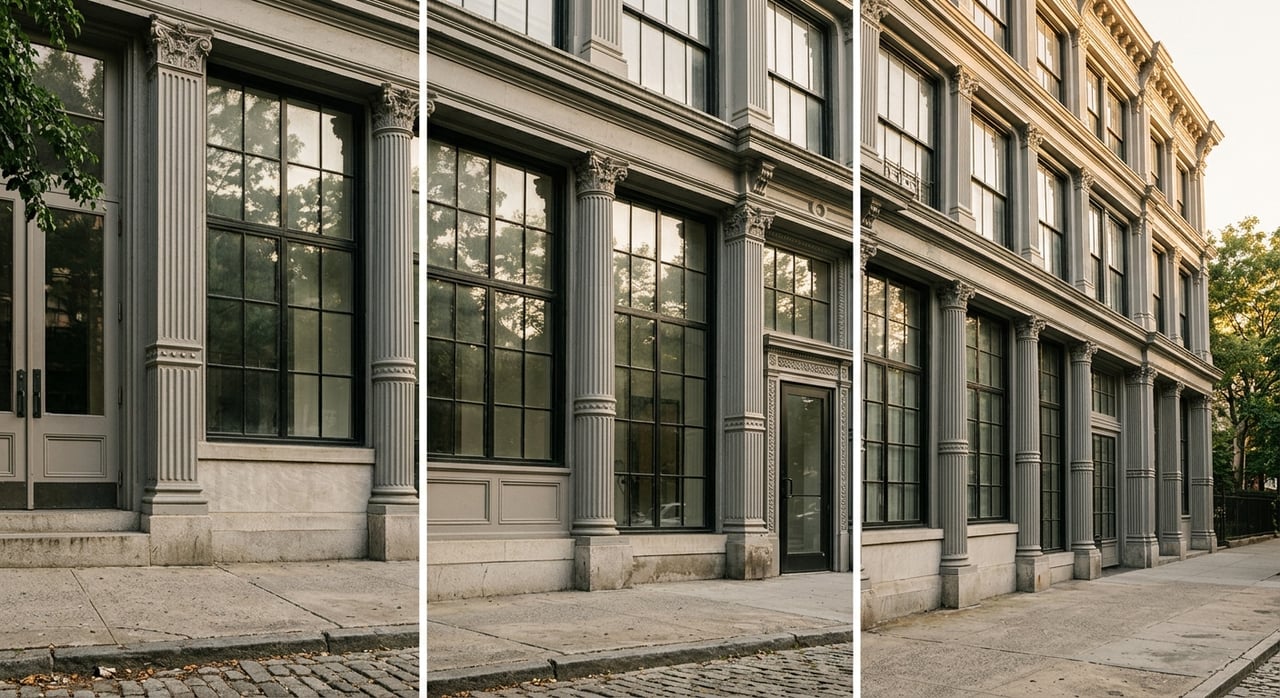
SoHo is not a typical new-development neighborhood. Much of the area overlaps designated historic districts, including the SoHo Cast Iron Historic District and its extension, and that preservation framework shapes how buildings are altered over time.
The neighborhood also carries legacy mixed-use rules that still matter to buyers. New York City’s 2021 SoHo/NoHo plan created the Special SoHo-NoHo Mixed Use District, while preserving separate treatment for existing JLWQA and Loft Law buildings. In practice, that means two homes that look similar online can come with very different legal and operational realities.
What “Loft” Means in SoHo
In SoHo, “loft” can describe a look, but it can also point to a legal category. Many classic lofts come from former commercial or manufacturing buildings that were later adapted for residential use.
The New York City Loft Board defines IMDs, or interim multiple dwellings, as former commercial or manufacturing spaces used as residences and being legalized for safe residential use. For you as a buyer, that distinction matters because a loft’s value is not only about ceiling height, scale, and windows. It is also about whether the unit is a legalized IMD, a JLWQA unit, or conventional residential space.
Legal status comes first
Before you compare finishes or monthly charges, confirm how the unit is classified. The Department of Buildings says some SoHo units remain JLWQA spaces or Loft Law units, and conversions to JLWQA use after December 15, 2021 are prohibited.
DOB also notes that units purchased after that date may be subject to Department of Finance audits for compliance. If a unit entered Loft Board jurisdiction as an IMD, residential occupancy can be allowed without DCLA artist certification. That is why legal status should be one of your first due diligence items, not an afterthought.
How Condos Usually Differ
Newer condo product in SoHo is often easier to evaluate on paper. That does not mean it is always the better fit, but it usually gives you a clearer framework for comparing what you are getting.
According to the New York Attorney General, the offering plan controls what the sponsor must deliver for the unit, common spaces, and amenities. The same guidance warns buyers not to rely on renderings or sales language alone. For long-term buyers, that makes condos feel more predictable because the disclosure package is typically more structured.
Predictability vs character
This is often the real choice in SoHo. Classic lofts tend to offer more character and, in some cases, more room for customization. Condos tend to offer clearer operating expectations and more standardized disclosures.
That does not make one category better than the other. It simply means you should match the property type to your priorities, timeline, and tolerance for building complexity.
Long-Term Tradeoffs to Consider
If you plan to stay for years, your decision should go beyond aesthetics. The better question is which ownership experience will feel more durable and manageable over time.
Why loft buyers need deeper building review
Older loft buildings were not designed as purpose-built condos. The Attorney General advises buyers of both new and existing co-op and condo units to focus on the facade, roof, elevators, HVAC, windows, electrical, plumbing, and related building systems.
That matters in SoHo because many classic loft buildings are older properties where expensive building-wide repairs can shape your ownership costs and quality of life. A stunning interior does not remove the need to understand the condition of the building envelope and systems.
Why condo buyers should still read every document
A newer condo may seem simpler, but it is not risk-free. Offering plans can help you understand what the sponsor must deliver, yet the Attorney General still warns buyers not to rely on marketing materials in place of the formal plan.
For a long-term purchase, that means reading the entire offering plan and understanding what is promised, what is complete, and what remains the building’s responsibility. Paper clarity helps, but it does not replace careful review.
Carrying Costs Matter More Than the Listing Price
One of the biggest mistakes long-term buyers make is comparing homes by purchase price and headline monthly charge alone. In SoHo, you need to understand the full carrying cost of ownership.
Co-ops and condos are billed differently
In New York, co-op owners pay maintenance charges based on the shares allocated to their apartment. The co-op receives the property tax bill for the building and passes those taxes through as part of common charges.
Condo owners are handled differently. The Department of Finance says individual condo owners can check their own property tax account for exemptions and abatements that apply to their unit. That means two homes with similar asking prices may have very different monthly ownership math depending on structure and tax treatment.
Property tax abatements are not universal
For 2026, New York City’s Class 2 property tax rate is 12.439%, and Class 2 includes co-ops and condos. There is also a co-op and condo property tax abatement that can reduce taxes, but it comes with limits.
The abatement is a building-level filing handled by management or the board, and the unit must be your primary residence. The current abatement ranges from 28.1% to 17.5% depending on average assessed value. If you are buying as an investor or as a pied-à-terre owner, you may not get the same benefit.
A Simple SoHo Buyer Framework
If you are deciding between a loft and a condo for a long-term hold, this framework can help.
| Priority | Classic SoHo Loft | SoHo Condo |
|---|---|---|
| Character | Often stronger architectural character from legacy building stock | Usually more standardized layouts and finishes |
| Legal review | Often requires close review of IMD, JLWQA, or residential status | Usually more straightforward residential framework |
| Building risk | Older systems may require deeper review | Often easier to assess through offering plan and disclosures |
| Cost clarity | Can require more digging into building condition and future repairs | Often more predictable on paper, though still needs review |
| Fit for long-term buyers | Good for buyers who value uniqueness and can handle complexity | Good for buyers who want clearer expectations and structure |
Due Diligence Checklist for SoHo Buyers
In this neighborhood, due diligence is where smart decisions are made. A beautiful showing is never enough.
What to verify before closing
- Confirm whether the unit is a legalized IMD, a JLWQA unit, or conventional residential space.
- Verify the certificate of occupancy.
- Read the full offering plan if one applies.
- Review board minutes and financial reports.
- Check for DOB violations.
- Look for signs of building-wide defects or deferred maintenance.
The Attorney General specifically points buyers toward these documents because this is where older-building risk often shows up. In SoHo, that advice is especially important.
Which Option Fits Your Long-Term Plan?
If you want volume, history, and a more one-of-a-kind home, a classic SoHo loft may be the right choice, provided you are comfortable with deeper diligence and potential building complexity. If you want a more predictable ownership structure and clearer documentation, a condo may be the better long-term fit.
The key is not to treat this as a style debate. In SoHo, the smarter comparison is between flexibility and predictability, and between romance and operational clarity.
That is where experienced guidance can make a real difference. In a neighborhood where legal status, building condition, and future costs can vary from one address to the next, careful analysis often matters more than first impressions. If you want help evaluating a SoHo loft or condo with a clear eye toward long-term ownership, connect with Falchiere Group.
FAQs
What should long-term buyers verify about a SoHo loft before buying?
- You should confirm whether the unit is a legalized IMD, a JLWQA unit, or conventional residential space, and also verify the certificate of occupancy, building records, and any DOB issues.
How do SoHo condo and co-op carrying costs differ?
- Co-op maintenance can include the building’s property taxes, while condo owners typically handle property taxes at the unit level and may need to review exemptions or abatements separately.
Do SoHo second-home buyers qualify for the co-op or condo tax abatement?
- Not always. The co-op and condo property tax abatement requires the unit to be the owner’s primary residence, so investor and pied-à-terre buyers may not benefit.
Why is legal status important for a SoHo loft purchase?
- Legal status affects how the unit can be occupied and whether it falls under categories like IMD or JLWQA, which can create very different compliance and ownership considerations.
Are newer SoHo condos risk-free for long-term buyers?
- No. They may be easier to evaluate because of offering plans and structured disclosures, but you should still read the full plan and review what the sponsor is actually required to deliver.