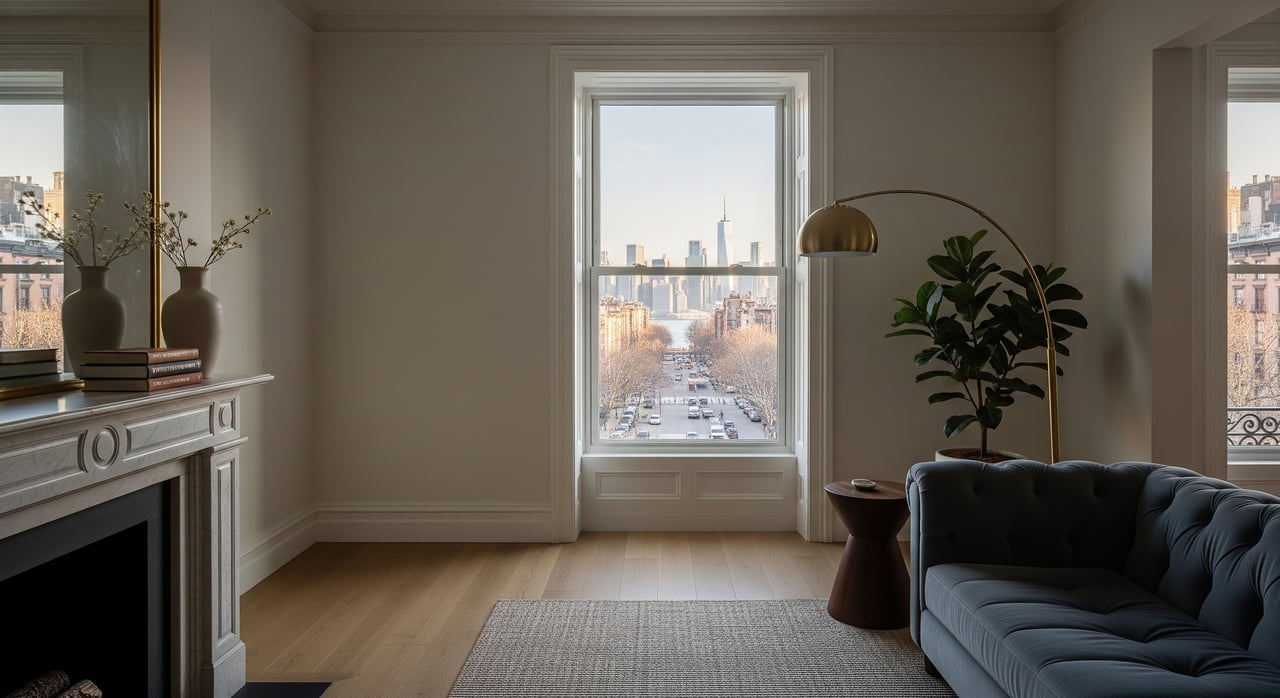
If skyline views, tree-lined blocks, and short commutes sound like your day-to-day sweet spot, Brooklyn Heights deserves a close look. You want a neighborhood that feels established without feeling stuck, with morning coffee on a stoop and evenings along the water. In this guide, you’ll see what daily life looks like, the housing styles you’ll find, how people get around, and what to know before you buy. Let’s dive in.
Neighborhood feel and daily rhythm
Mornings on the stoop
Side streets wake up with dog walkers and parents on school runs, while cafés and bakeries near Montague Street buzz with commuters. You’ll notice classic stoop life and quiet brownstone blocks. The air feels calm, even with Manhattan just across the river.
Daytime pace
Residential blocks stay peaceful during the day, with more activity on Montague Street and the Promenade. Many residents work in Manhattan or Downtown Brooklyn, but errands are easy to handle close to home. The compact layout makes most daily needs walkable.
Evenings and weekends
Restaurants and small bars along Montague and Court Street stay active without feeling overdone. The Promenade and nearby Brooklyn Bridge Park draw people for runs, strolls, and sunset views. Warmer months bring more waterfront energy, while winter keeps a quieter, residential vibe.
Housing styles you’ll see
Brownstones and rowhouses
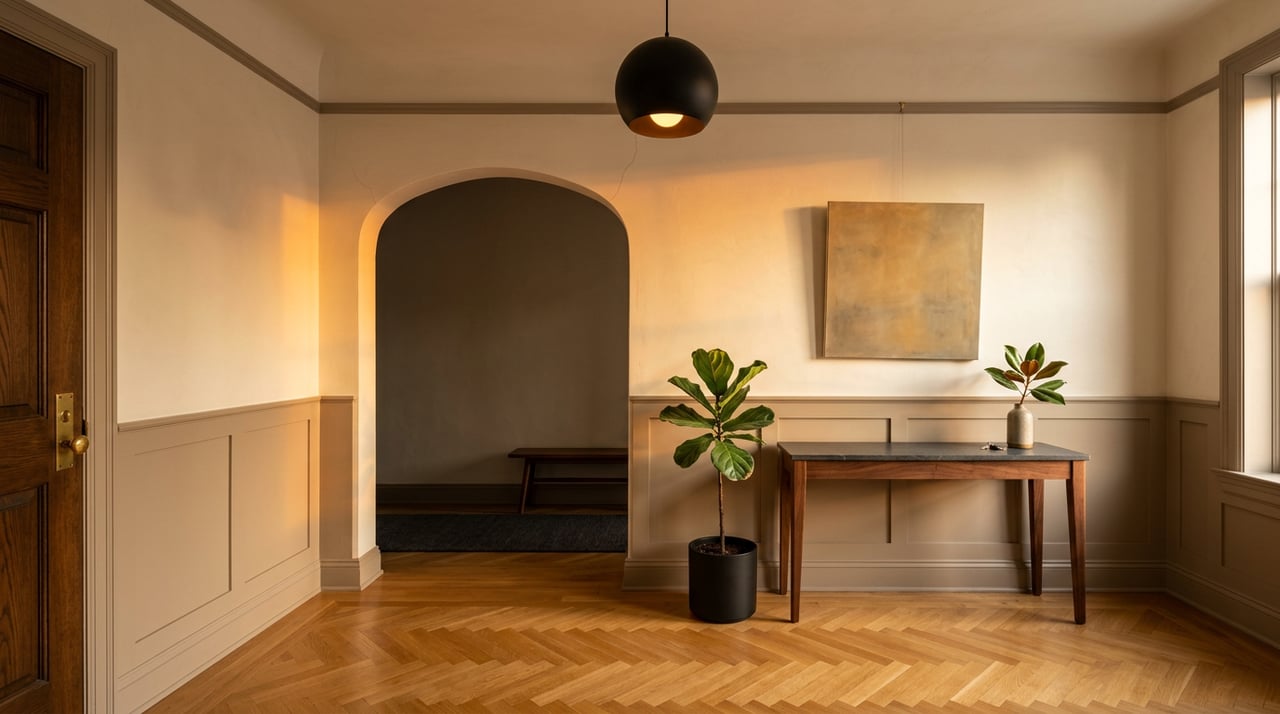
Brownstones define Brooklyn Heights. Most are mid-19th-century townhouses, typically 3 to 6 stories with stoops, cornices, and period ironwork. Interiors often mix original details with modern updates, and layouts tend to be vertical with multiple stair runs.
Pre-war walk-ups and co-ops
You’ll find pre-war apartment buildings and many co-ops, especially on main avenues and near Downtown Brooklyn. Co-ops often include property taxes and some utilities in the monthly maintenance. Units range from compact to family-sized, with common pre-war features like high ceilings and moldings.
Condos, modern infill, and rentals
Condos are less common than co-ops but do exist in select buildings and conversions. You’ll also see modern infill near commercial edges and a mix of rental buildings, including market-rate and a smaller share of subsidized units. Interiors vary widely, from fully renovated to classic and intact.
Ownership basics and trade-offs
Townhouses
Owning a townhouse gives you control over your space, along with full responsibility for the roof, façade, and systems. Many are single-family, and others are configured as multi-family with rental income. Expect narrow lots, vertical living, and stairs that can challenge mobility and furniture moves.
Co-ops
Co-ops are common here. You’ll complete a board application, provide financials, and often interview. Monthly maintenance typically covers property taxes and some utilities, and building rules can be more structured than condos.
Condos
Condos usually offer a simpler purchase process and fewer board restrictions. Common charges cover building upkeep but not property taxes. Inventory is scarcer than co-ops in this area, so availability can be competitive.
Landmark district and renovations
A large portion of the neighborhood lies within the Brooklyn Heights Historic District. Exterior changes such as window replacements, stoop repairs, façade work, and new cornices generally require review and permits from the New York City Landmarks Preservation Commission. Interior work is typically not regulated unless a specific interior is designated.
- Plan renovation timelines with approvals in mind, especially if you’re targeting a façade refresh or window upgrades.
- Factor in added costs for historically appropriate materials and detailing on exteriors.
- For early planning, consider a pre-check conversation with professionals who know LPC processes and building systems.
Parks, shops, and culture
Promenade and waterfront
The Brooklyn Heights Promenade is a daily ritual for many residents, with sweeping views of Lower Manhattan, the Brooklyn Bridge, and the East River. Adjacent Brooklyn Bridge Park offers lawns, playgrounds, sports fields, piers, and seasonal programming.
Everyday convenience
Montague Street is your main commercial corridor for cafés, bakeries, small groceries, and personal services like dry cleaners and salons. Court Street and nearby avenues add restaurants, markets, and specialty shops. Local medical practices are present, with major hospitals and specialty care close by in Downtown Brooklyn and Manhattan.
Cultural access
You’re near museums, galleries, and performance spaces in DUMBO and Downtown Brooklyn. Neighborhood groups are active, especially on preservation and planning topics. Residents often find community through local events and small cultural venues.
Getting around
Transit options
Subways, buses, and ferries offer several routes into Manhattan and other parts of the city. Many errands and connections are walkable. Citi Bike stations and bike lanes make cycling practical, including access to the Brooklyn Bridge bicycle path.
Commute times
Getting to Lower Manhattan is often under 15 to 20 minutes by transit, and some residents choose to walk across or use the waterfront paths. Midtown travel times vary by route and time of day, using direct subway lines or a ferry-subway combo.
Car ownership
Many residents choose not to own a car due to limited on-street parking and costs for garages or monthly rentals. If you do drive, plan for a premium on convenience.
Buyer checklist for Brooklyn Heights
- Compare co-op vs. condo vs. townhouse based on your timeline, flexibility, and how involved you want to be with maintenance.
- Review carrying costs: property taxes, co-op maintenance or condo common charges, and utilities.
- For townhouses, budget for capital items like roof, façade, foundation, plumbing, and electrical.
- If buying in the Historic District, plan for LPC approvals on exterior work and build this into your closing and renovation timelines.
- Schedule inspections with a focus on older systems and potential cellar moisture or foundation issues.
- Consider stairs and accessibility if you plan to age in place or have mobility needs.
- If schools matter to you, check NYC DOE zoning and performance data before touring.
Is Brooklyn Heights a fit for you?
You’ll likely enjoy Brooklyn Heights if you value historic architecture, a quiet residential feel on side streets, and quick access to parks and the waterfront. The neighborhood offers strong walkability and close-in access to Manhattan and Downtown Brooklyn. Typical trade-offs include a higher price point, limited parking, potential restrictions on exterior changes, and vertical layouts in many homes.
Ready to explore listings or map out renovations with clear timelines and costs? Connect with the Falchiere Group for local guidance and end-to-end representation.
FAQs
What is daily life like on side streets versus Montague Street?
- Side streets with brownstones tend to be quieter and more residential, while Montague Street offers cafés, shops, and steady foot traffic throughout the day.
How does the Landmark Commission affect exterior renovations in Brooklyn Heights?
- In the Historic District, exterior changes usually require approval and permits from the NYC Landmarks Preservation Commission; plan time and budget for this process.
What should I expect from co-op boards in Brooklyn Heights?
- Co-op purchases typically include detailed board applications, financial disclosures, and interviews, with requirements that can be more stringent than condos.
How do people commute from Brooklyn Heights to Manhattan?
- Subways, buses, and ferries provide options, with Lower Manhattan often reachable in under 15 to 20 minutes; some residents also walk or bike.
Are there flooding or storm concerns near the waterfront?
- Some properties may face cellar moisture or storm-related risk; a thorough inspection and review of building systems and foundation conditions is recommended.
What maintenance costs should I plan for in older homes?
- Townhouses often require ongoing roof, façade, and system upkeep, while co-op and condo owners should review building capital plans and monthly charges.
How do schools factor into a move to Brooklyn Heights?
- Residents use public and private options; it’s best to consult NYC Department of Education zoning and performance data for current information.