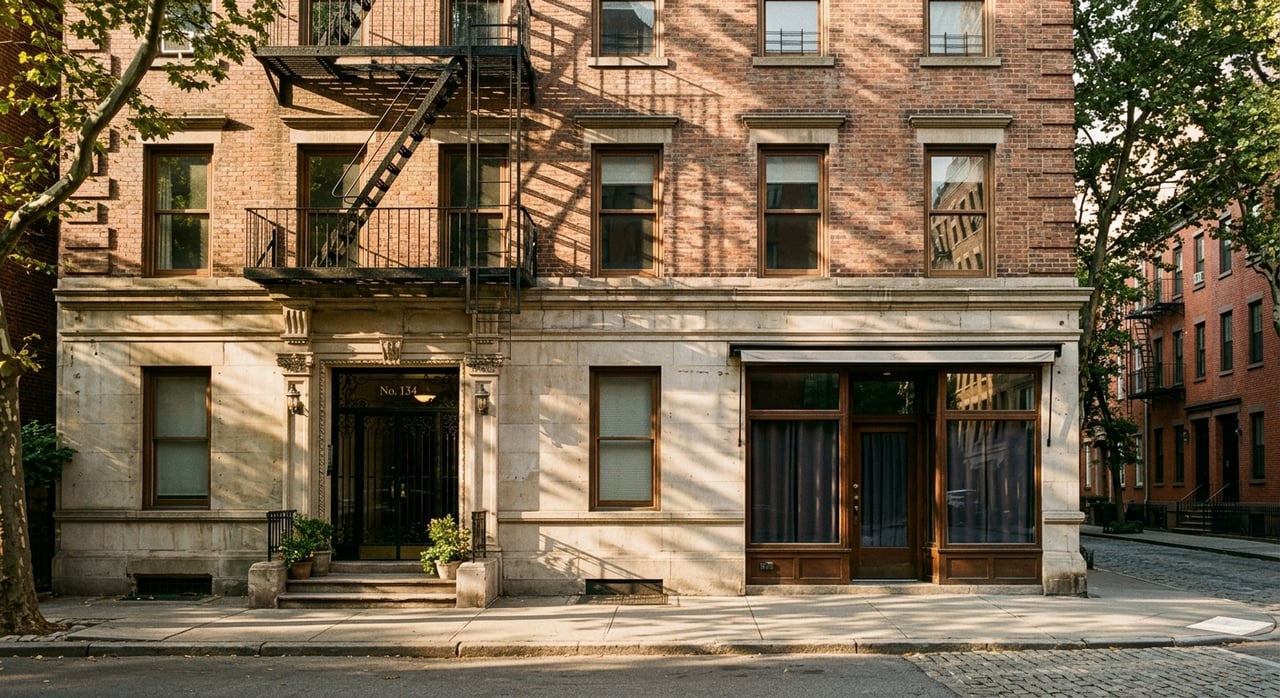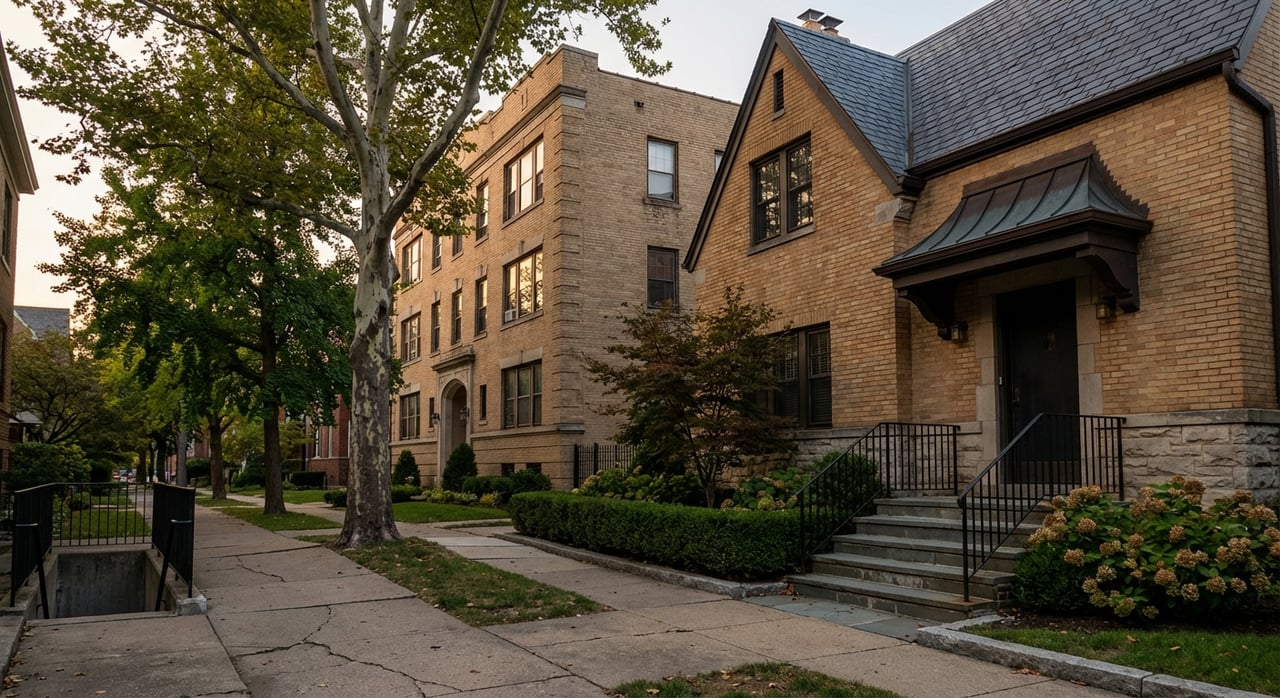
Craving more room and greenery without giving up an easy Midtown commute? If you’re looking for quiet streets, river views, and larger homes while staying in New York City, Riverdale is worth a close look. In this guide, you’ll learn what living here feels like, from housing options and price patterns to parks, schools, and commute logistics. Let’s dive in.
Riverdale at a glance
Riverdale sits on high bluffs above the Hudson River in the northwest Bronx. It’s part of Bronx Community District 8, grouped with Fieldston and Kingsbridge, which is useful for local planning and data context. For municipal background and boundaries, review the community board’s district profile.
You’ll find winding, leafy streets, elevated views, and a calmer residential feel than many central neighborhoods. Riverdale uses ZIP codes 10463 and 10471, and much of the housing lines up along hilltop corridors with pockets near the river.
Homes and housing types
Co-ops and condos
Riverdale offers a deep mix of prewar and postwar co-ops, garden apartments, and a handful of newer condominiums near the Hudson. Units tend to be larger than what you might see in similar price brackets in Manhattan. As local coverage notes, older Riverdale co-ops often deliver more square footage per bedroom than many Manhattan counterparts (Brick Underground overview).
Single-family enclaves
If you want a house and a yard, focus on Fieldston and Hudson Hill. Fieldston is known for historic single-family homes on private lots and is a designated historic district, which shapes the neighborhood fabric and architecture (Fieldston context). Inventory for large homes turns over slowly, so single-family price medians can swing from quarter to quarter because of small sample sizes.
Rentals and inventory character
Rental supply exists within co-op buildings, garden complexes, and some sponsor units, though it’s a smaller share than in many denser parts of the city. Expect a range of layouts, including multi-bedroom apartments that work for home offices or guests. If you plan upgrades, many buildings allow thoughtful interior improvements with board approval.
Understanding prices
Prices in Riverdale vary sharply by housing type and micro-location. For a listings snapshot, review StreetEasy’s Riverdale page for current neighborhood medians and trends based on active inventory. Press coverage and PropertyShark reporting cited by the Wall Street Journal highlight that single-family medians in Fieldston and river-adjacent enclaves often track much higher than co-ops and condos (WSJ Bronx market feature).
When you compare options, separate data by housing type and note dates and sources. Co-ops and condos usually sit in one range, while single-family homes in Fieldston and Hudson Hill sit in another.
Parks and green escapes
Wave Hill
Wave Hill is a 28-acre public garden and cultural center perched over the Hudson with seasonal programs, family events, and stunning river views. Check current hours and events on the Wave Hill site.
Van Cortlandt Park
Just east of Riverdale, Van Cortlandt Park spans roughly 1,146 acres with hiking trails, cross-country routes, a public golf course, and horse stables. Its size and natural areas are a big reason Riverdale reads greener than much of NYC. Learn more from NYC Parks.
Local pocket parks
Within the neighborhood, Seton Park, Riverdale Park, and the waterfront promenade create walkable green pockets and playfields. These spaces add day-to-day convenience for outdoor time and exercise (neighborhood overview).
Schools and education
Riverdale hosts several independent schools that draw families who prefer private education. Examples include Riverdale Country School and Horace Mann, both with established programs and admissions processes. For current details, review profiles like the NAIS listing for Riverdale Country School. Always verify admissions timelines and requirements directly with each school.
Transit and commuting
Metro-North Hudson Line
The Hudson Line stops at Riverdale and nearby Spuyten Duyvil, offering a direct, one-seat ride to Grand Central. Typical trips to Midtown are about 25 to 30 minutes depending on the train pattern. For station context and service patterns, see the Riverdale station overview.
Buses and shuttles
Hudson Rail Link shuttles connect hilltop areas to Metro-North stations during peak hours. MTA local routes like the Bx7, Bx9, and Bx10 serve the neighborhood, and BxM express buses run to Manhattan. Bee-Line buses offer access north into Westchester County.
Driving access
If you drive, Riverdale connects quickly to the Henry Hudson Parkway, US-9, and Broadway. This access helps if you commute by car or travel outside the city on weekends (neighborhood context).
Typical commute snapshot
- Metro-North: Riverdale → Grand Central in about 25 to 30 minutes (train dependent).
- Express bus: BxM routes run to Manhattan; check peak schedules before you tour.
- Feeder shuttles: Hudson Rail Link connects hill neighborhoods to the rail stations.
How Riverdale compares
- Space: Lower density and larger average unit sizes than many Manhattan and central Brooklyn neighborhoods, including more single-family options.
- Greenery: Immediate access to Wave Hill and Van Cortlandt Park provides more acreage and trail access than most city neighborhoods.
- Commute dynamics: You trade a longer door-to-door walk for a comfortable rail seat. Test your specific schedule to see how it stacks up against your current commute.
- Price segmentation: Co-op and condo pricing typically differs markedly from single-family homes in Fieldston and along the river. Always compare by housing type.
Tips for touring homes
- Separate budgets by housing type. Price medians differ for co-ops/condos vs. single-family homes.
- Confirm maintenance, taxes, flip taxes, and any assessments early in your search.
- Test your commute at the same times you would travel, from the exact station you plan to use.
- Walk the hills and check access to buses or the Hudson Rail Link from each address.
- Ask about parking options and storage, especially if you drive or need gear space.
- If you see renovation potential, map scope, approvals, and timeline up front to price the total project, not just the purchase.
Riverdale blends space, trees, and Hudson views with a direct rail link to Midtown. If you want room to grow while staying connected to the city, it’s a smart shortlist neighborhood to explore. For tailored guidance on listings, negotiations, and even renovation planning, connect with the Falchiere Group to Schedule a Consultation.
FAQs
What and where is Riverdale in NYC?
- Riverdale is a residential neighborhood on high bluffs above the Hudson River in the northwest Bronx, part of Bronx Community District 8 with Riverdale, Fieldston, and Kingsbridge.
How long is the Riverdale to Midtown commute?
- Metro-North’s Hudson Line offers a one-seat ride to Grand Central in about 25 to 30 minutes depending on the train pattern (Riverdale station overview).
What types of homes are common in Riverdale?
- You’ll find larger co-ops and condos, plus single-family houses concentrated in Fieldston and Hudson Hill. Fieldston is a designated historic district (Fieldston context).
Which Riverdale parks stand out?
- Wave Hill is a 28-acre public garden and cultural center with Hudson views, and nearby Van Cortlandt Park spans about 1,146 acres with trails and a golf course (Wave Hill; NYC Parks).
How should I read Riverdale pricing?
- Separate co-op/condo medians from single-family medians. For active listings snapshots, see StreetEasy’s Riverdale page, and note that press often shows higher single-family medians in Fieldston (WSJ feature).
Is there subway access in Riverdale?
- Subway access is at the eastern edge on the 1 line around 231st, 238th, and 242nd Streets. Most riders in core Riverdale rely on Metro-North and buses (neighborhood overview).